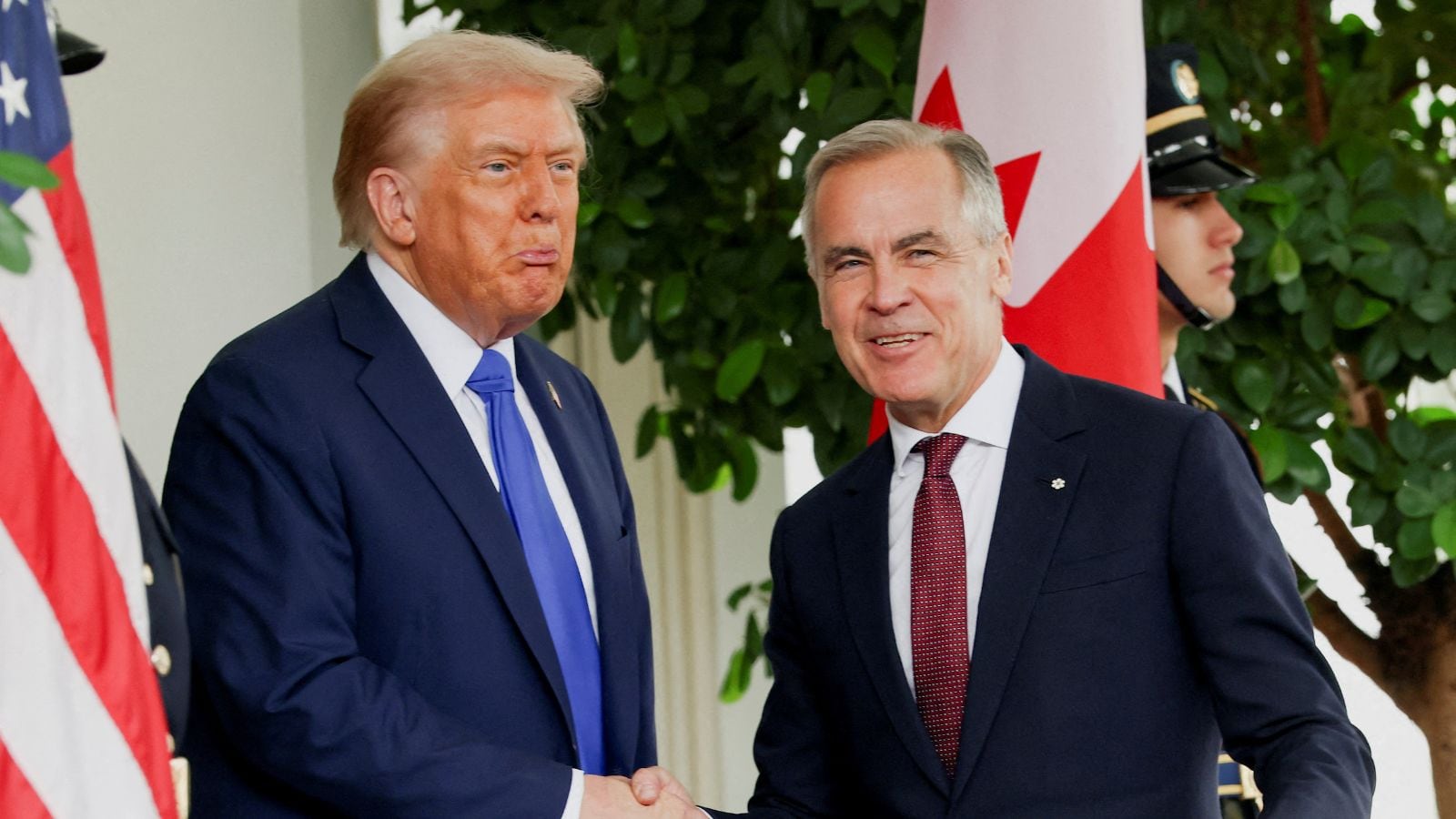
Trade wars rarely end with a clean victory. They usually end in messy compromises crafted at the eleventh hour. Right now, Washington and Ottawa are scrambling to finalize a tentative trade pact that could slash hefty tariffs on Canadian automobiles, steel, and aluminum.
If you watch North American supply chains, you know the past year has been brutal. President Donald Trump previously slapped a 50% tariff on Canadian steel and aluminum, while automotive duties squeezed manufacturers on both sides of the border. But after a frantic round of negotiations and a freshly extended deadline, the white noise of threats is giving way to actual policy shifts.
Here is what is actually on the table, why it matters, and what to expect as the clock ticks down.
Inside the Proposed Numbers
The numbers floating around the negotiating table reveal a significant retreat from punishing peak rates, though they are far from a return to free-trade status.
According to people familiar with the closed-door discussions, the proposed agreement targets two critical sectors:
- Automotive Duties: Top-line tariffs on Canadian-built cars and trucks are expected to drop from 25% down to 15%. While Canadian officials and auto executives pushed hard for a 10% ceiling, this 15% rate applies before deductions for US-produced content, meaning the effective rate could dip even lower depending on parts sourcing.
- Metal Levies: Tariffs on Canadian steel and aluminum are slated to be cut in half, dropping from 50% to 25%. However, industry sources note that this relief comes with strings attached, likely restricted by a quota arrangement capped around 4 million metric tons annually. Anything shipped above that threshold would trigger the original 50% penalty.
These concessions are not charity. They are a calculated response to severe market pressure. American manufacturing sectors that rely heavily on imported Canadian metals have spent months warning lawmakers about soaring production costs and stalled assembly lines.
The Real Pressure Driving the Deal
Deadlines force movement. Washington originally scheduled a fresh wave of tariffs on roughly $20 billion worth of Canadian goods to hit. That hard stop forced a tactical pause, pushing the deadline to Saturday and giving diplomats room to breathe.
Canadian Prime Minister Mark Carney briefed provincial premiers on the state of talks, acknowledging that while progress is real, substantial hurdles remain. Markets have already started reacting with violent volatility. Canadian steel producers like Algoma Steel saw massive stock surges on the news, while domestic US aluminum and steel stocks dropped as investors priced in increased competition.
You have to look at the broader picture here. A 25% tariff on metals or a 15% tax on vehicles is still historically high. It is not an open border. It is a managed friction designed to protect specific domestic industries while keeping the broader North American trade engine from seizing up completely.
What Happens When the Ink Dries
If negotiators manage to lock down the final agreement before the weekend deadline, supply chain planners will need to pivot fast.
Automakers must audit their parts-sourcing ratios to maximize the value deductions available under the new 15% automotive framework. Metal buyers need to track the proposed 4-million-ton quota closely. Hitting that ceiling early in the year could expose businesses to sudden cost spikes if they blow past the volume limits before December.
Keep an eye on the official text rather than the political posturing. The devil will live entirely in the rules of origin and the exact mechanics of the quota exemptions. Check your supplier contracts today, map out your tariff exposure for the fourth quarter, and prepare for a modified trade landscape that rewards operational agility over guesswork.