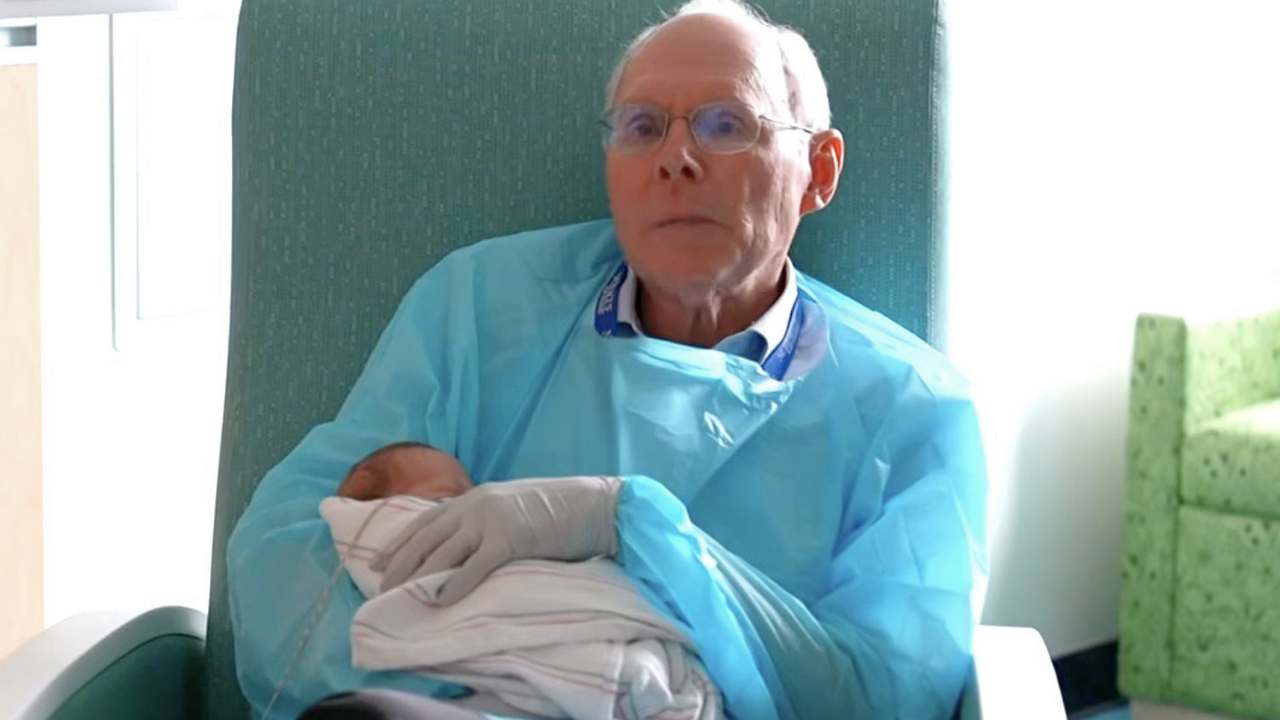
Every year, a fresh wave of memoirs arrives detailing the quiet nightmare of caring for an aging parent in America. The authors describe the same soul-crushing routine with haunting consistency. They write about midnight phone calls, bureaucratic dead ends, deteriorating minds, and the horrifying discovery that Medicare does not cover long-term custodial care. Readers nod in solemn recognition, reviewers praise the raw honesty, and the public conversation moves on without a single law changing. The pain of family caregiving has become a permanent feature of American life, treated like an unavoidable weather pattern rather than a failure of public policy.
The underlying reality is straightforward. Medicare was designed in 1965 to address acute medical events, not chronic decline. When an elderly person breaks a hip, Medicare pays for the hospital stay and short-term rehabilitation. When that same person develops severe dementia and requires round-the-clock supervision to avoid burning down the house, Medicare offers virtually nothing. That policy gap leaves millions of families suspended between an unhelpful medical system and a predatory private care market.
The Great Medicare Misconception
Most Americans do not understand how elder care financing works until they are thrust into a crisis. They assume that decades of payroll taxes will entitle them to comprehensive support in their final years. This belief vanishes the moment a social worker explains the difference between skilled medical care and custodial care.
Skilled care involves doctors, registered nurses, and licensed therapists delivering treatments for specific medical conditions. Custodial care consists of basic daily assistance. It means helping someone bathe, dress, eat, use the bathroom, and move safely around a living room.
Medicare Part A covers up to 100 days of skilled nursing facility care after a qualified three-day inpatient hospital stay. Even then, full coverage lasts only 20 days. From day 21 through 100, the patient pays a hefty daily copay. Beyond day 100, Medicare pays zero for long-term residential stays. Medicare Part B covers outpatient services and doctor visits, while Part D handles prescription drugs. Neither branch pays for a home health aide to sit with an Alzheimer's patient while an adult child goes to work.
When families realize Medicare will not pay, they look to private insurance. They quickly discover that regular health insurance follows the same limits as Medicare. Unless a family purchased a dedicated long-term care insurance policy decades earlier, they are entirely on their own.
How Middle Class Families Get Forced Into Impoverishment
The absence of universal long-term care insurance leaves only two alternatives for funding extended care. Families must either pay out of pocket or qualify for Medicaid.
Paying out of pocket is financially ruinous for all but the wealthiest individuals. The median cost of a private room in a nursing home routinely exceeds $100,000 annually. Assisted living facilities average over $50,000 per year, and full-time home health aides can easily surpass $60,000 annually. A lifetime of modest retirement savings can vanish in less than two years of continuous care.
Once those savings are exhausted, families encounter Medicaid.
Medicaid is the primary government payer for long-term care in the United States. However, it is a welfare program strictly reserved for the poor. To qualify, an applicant must satisfy stringent income and asset limits. In many states, an individual cannot hold more than $2,000 in countable liquid assets.
This policy structure forces middle-class seniors into a process known as spend down. To receive assistance, individuals must systematically liquidate their assets, spending down their bank accounts, investments, and secondary properties until they reach near-poverty levels. State agencies then review five years of financial records through a look-back period to ensure no assets were transferred to children or relatives to qualify for assistance.
If a senior gifted money to a grandchild or transferred property titles within those five years, Medicaid imposes a penalty period of ineligibility. This mechanism ensures that families cannot pass down generational wealth if long-term care becomes necessary. The state requires impoverishment as a prerequisite for institutional survival.
+-----------------------------------------------------------------------+
|                 THE REALITY OF ELDER CARE FINANCING                  |
+-----------------------------------------------------------------------+
| PROGRAM    | WHAT IT COVERS                 | WHAT IT IGNORES         |
+------------+--------------------------------+-------------------------+
| Medicare   | Hospital stays, doctor visits, | Long-term nursing care, |
|            | short-term rehab (up to 100    | home health aides,      |
|            | days with high copays).        | daily assistance.       |
+------------+--------------------------------+-------------------------+
| Medicaid   | Long-term nursing homes, home  | Requires total asset    |
|            | care programs (varies by state)| spend-down to near-     |
|            | once qualified.                | poverty levels.         |
+------------+--------------------------------+-------------------------+
| Private    | Varies by plan, but often requires years of high        |
| LTC Plans  | premiums; insurance market has shrunk dramatically.     |
+-----------------------------------------------------------------------+
The Unseen Price of Family Caregiving
When formal institutional care is unaffordable and Medicaid eligibility remains years away, the responsibility falls onto family members. This reliance on unpaid labor forms the invisible foundation of the American elder care infrastructure.
Tens of millions of adults currently provide unpaid care to family members over the age of 50. The economic consequences for these individuals are severe and long-lasting.
- Career Interruptions: Caregivers frequently decline promotions, reduce their work hours, or exit the workforce entirely to accommodate caregiving demands.
- Lost Retirement Savings: Leaving the labor force prematurely halts contributions to pensions and 401(k) plans, compounding long-term financial insecurity.
- Out-of-Pocket Expenses: Caregivers routinely spend thousands of dollars of their own income each year on food, medical supplies, home modifications, and transportation for their relatives.
- Health Depletion: The persistent physical and emotional stress associated with caregiving correlates with higher rates of depression, high blood pressure, and chronic exhaustion.
Consider a hypothetical case to illustrate this dynamic. Imagine a 52-year-old mid-level corporate employee earning $75,000 a year. When her widowed father develops vascular dementia, she cannot afford a $6,000 monthly memory care facility. She brings him into her home. Within six months, balancing full-time work and full-time supervision becomes impossible. She steps down to a part-time role, losing her health benefits and cutting her income in half. She uses her personal savings to cover her father's adult diapers, specialized equipment, and occasional respite care.
By the time her father passes away five years later, she has sacrificed hundreds of thousands of dollars in lost wages, delayed her own retirement, and severely damaged her long-term earning potential. Multiply this scenario across millions of households, and the macroeconomic drag becomes undeniable.
The Private Insurance Market Collapse
Policy makers often suggest that private markets should solve this problem through long-term care insurance. The history of that market, however, proves why private insurance cannot sustain this burden without heavy state intervention.
In the 1980s and 1990s, dozens of major insurers aggressively sold long-term care policies. They priced these plans based on flawed actuarial assumptions. Insurers assumed that policyholders would drop their plans at high rates, that interest rates on invested premiums would remain high, and that healthcare costs would rise moderately.
Every single one of those assumptions proved wrong.
Policyholders kept their plans at unprecedented rates because they recognized the immense value of the coverage. Interest rates plummeted following financial crises, slashing the returns insurers counted on to fund future claims. Meanwhile, life expectancy increased, and the costs of medical and custodial care surged.
Faced with billions in unexpected liabilities, major carriers exited the market or raised premiums dramatically on existing policyholders. Increases of 50%, 100%, or even 200% were approved by state insurance regulators desperate to prevent carrier insolvencies. Millions of seniors who had paid premiums for two decades suddenly faced a brutal choice: pay exorbitant new rates or drop their policies and forfeit everything they had paid in.
Today, the standalone private long-term care insurance market is a shell of its former self. The products that remain are expensive, feature strict underwriting rules that exclude anyone with pre-existing conditions, and offer capped benefits that struggle to keep pace with inflation.
Why Memoirs and Personal Stories Fail to Trigger Reform
If the problem is so obvious and the economic damage so widespread, why does public policy remain stagnant?
Part of the answer lies in how the issue is framed in public discourse. The steady stream of memoirs, personal essays, and human-interest pieces frames elder care as an emotional, familial, or spiritual ordeal. They focus on grief, acceptance, sibling rivalries, and the poignant cruelty of watching a parent age.
While these personal narratives are genuine, they depoliticize a structural crisis. They treat systemic policy failures as intimate personal tragedies.
When a news outlet publishes a story about a family struggling to care for a mother with Alzheimer's, the narrative arc almost always centers on individual resilience. The family figures out a way to pull through, or they accept the painful financial loss as an inevitable part of life. This framing allows politicians and legislative bodies off the hook. It transforms a policy choice into a private hardship that families are expected to bear quietly.
Furthermore, elder care lacks the cultural visibility of other social issues. Caregiving happens behind closed doors, inside private homes and isolated facilities. The people bearing the heaviest burden—exhausted family members and low-wage care workers—do not have the time, money, or energy to organize effective political lobbying groups.
  TRADITIONAL FRAMING vs. STRUCTURAL REALITY

  Traditional Narrative:
  [Family Crisis] ---> [Personal Sacrifice] ---> [Emotional Acceptance]
  (Viewed as an unavoidable personal family issue)

  Structural Reality:
  [Policy Gaps]   ---> [Wealth Depletion]   ---> [Economic Instability]
  (Viewed as a systemic market and social safety net failure)
Concrete Mechanisms to Restructure Long-Term Care
Fixing this system does not require reinventing the wheel. Other developed nations have constructed functional long-term care frameworks that protect families from total financial ruin.
Creating Universal Social Insurance for Long-Term Care
The federal government could establish a public long-term care insurance benefit funded through a modest payroll tax, similar to the structure of Social Security and Medicare. Washington state pioneered a version of this concept with its WA Cares Fund, which provides a capped benefit to help residents cover home care, equipment, and residential services. Expanding this model nationally would create a baseline financial buffer for every working citizen, preventing immediate reliance on Medicaid.
Reforming Medicaid Asset and Income Limits
The draconian asset limits required for Medicaid long-term care eligibility are outdated and counterproductive. Raising asset caps and adjusting income limits would allow middle-class seniors to retain modest personal savings and their homes without needing to enter complete poverty before receiving aid.
Providing Direct Support for Unpaid Caregivers
Federal and state governments can ease the financial burden on family members through refundable tax credits that offset the cost of care-related expenses. Additionally, expanding access to paid family leave programs ensures that workers do not have to abandon their employment entirely when a parent requires intensive care.
Professionalizing the Direct Care Workforce
Home health aides and nursing home staff are among the lowest-paid workers in the healthcare sector, experiencing high turnover and chronic staffing shortages. Federal reimbursement rates for Medicaid home and community-based services must be increased, with strict mandates that a substantial portion of those funds go directly toward raising wages and benefits for care workers.
The current trajectory is unsustainable. As the massive baby boom generation ages, the volume of individuals requiring assistance with daily living will reach unprecedented levels. Continuing to rely on unpaid family labor and mandatory impoverishment is a failure of governance that drains middle-class wealth and strains millions of households. Until policy makers treat long-term care as an essential pillar of social infrastructure rather than an individual burden, the crisis will continue to deepen, regardless of how many memoirs are written about it.