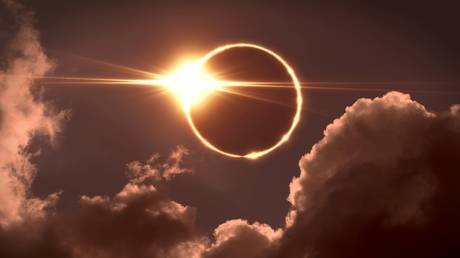
If you missed the historic sky shows of recent years, you're in luck. On August 12, 2026, a total solar eclipse will sweep across parts of Russia, Greenland, Iceland, and Spain. It marks mainland Europe's first total solar eclipse since August 11, 1999. That is a twenty-seven-year wait. Millions of people across the Northern Hemisphere are already making travel arrangements to catch a glimpse of the shadow.
Most people mess up their eclipse planning by waiting until the last minute. Hotels in Iceland and northern Spain sell out months in advance. Flight prices spike. If you want a front-row seat to the corona, you need to understand the path of totality right now.
Where the Path of Totality Actually Goes
You can't just step outside anywhere in Europe and expect total darkness. You have to be inside the narrow corridor where the Moon completely blocks the face of the Sun.
The eclipse starts in remote northeastern Russia before traveling across the Arctic. It crosses the massive Greenland ice sheet, clips western Iceland, and dives down across the North Atlantic Ocean to hit northern and eastern Spain. A tiny corner of Portugal catches the tail end of totality too.
If you're outside that narrow band—say, in London, Paris, or Berlin—you'll only see a partial solar eclipse. Don't let anyone tell you a partial eclipse is just as good. It isn't. Seeing a crescent sun through safety glasses is cool, but standing in the dark during totality while the stars pop out is a completely different experience.
Exact Timings You Need to Know
Timing is everything. Because the Moon's shadow moves across multiple time zones, you need to check local schedules carefully.
In Reykjavík, Iceland, totality hits in the late afternoon. The total phase begins around 5:48 p.m. local time and lasts for roughly a minute and a half.
As the shadow races south toward Spain, the event turns into a stunning sunset eclipse. In cities like León, Zaragoza, and Valencia, totality arrives just minutes before the sun dips below the horizon. For instance, Valencia experiences totality right around 8:32 p.m. local time. Watching the eclipsed sun set over the Mediterranean Sea creates a visual backdrop that astrophotographers dream about.
If you're watching from major cities just outside the path, like Madrid or Barcelona, you'll still see about ninety-nine percent of the sun covered. But the sky won't go fully dark, and you won't see the glowing solar corona without specialized gear.
Common Mistakes to Avoid
Amateur astronomers make predictable errors during major celestial events. Do not repeat them.
First, ignore cheap online vendors selling uncertified solar filters. You need ISO 12312-2 certified eclipse glasses for the partial phases. Looking directly at the sun without proper eye protection causes permanent retinal damage. The only time you can safely take your glasses off is during the brief minute or two of absolute totality. If you are outside the path of totality, you must keep your glasses on the entire time.
Second, don't rely on cell service near popular viewing spots. Thousands of tourists flocking to remote parts of Iceland or rural Spanish towns will overwhelm local cellular towers. Download offline maps and keep your itineraries printed on paper.
Third, don't assume summer weather guarantees clear skies. Coastal areas in northern Spain and parts of Iceland frequently deal with marine layers or cloud cover in August. Check local microclimates and have a backup driving route ready so you can escape local clouds at a moment's notice.
How to Prepare Right Now
Stop overthinking the logistics and start locking down your bookings. If you're heading to Spain, look beyond major hubs like Madrid and target smaller municipalities along the northern coast or inland near Zaragoza where viewing angles and local infrastructure offer a solid setup. Rent a car so you have the mobility to chase clear skies on eclipse day. Pack your certified filters, test your camera gear ahead of time, and give yourself an extra day on either side of the event to account for heavy travel delays.