Zambia just did something most people thought was impossible for a country relying on foreign aid. It looked a billion-dollar health deal in the face and said "no." For months, rumors swirled that the U.S. was holding life-saving HIV and malaria funding hostage to get its hands on Zambia’s copper and cobalt. Today, that isn't just a rumor—it's the reality of a new, transactional era of American foreign policy.
The deal on the table was roughly $1 billion over five years. On the surface, it sounded like a standard extension of PEPFAR (the President's Emergency Plan for AIDS Relief). But buried in the fine print was a "Bilateral Compact" that essentially required Zambia to hand over preferential access to its critical minerals. If you don't sign the mining deal, you don't get the medicine.
The cost of saying no
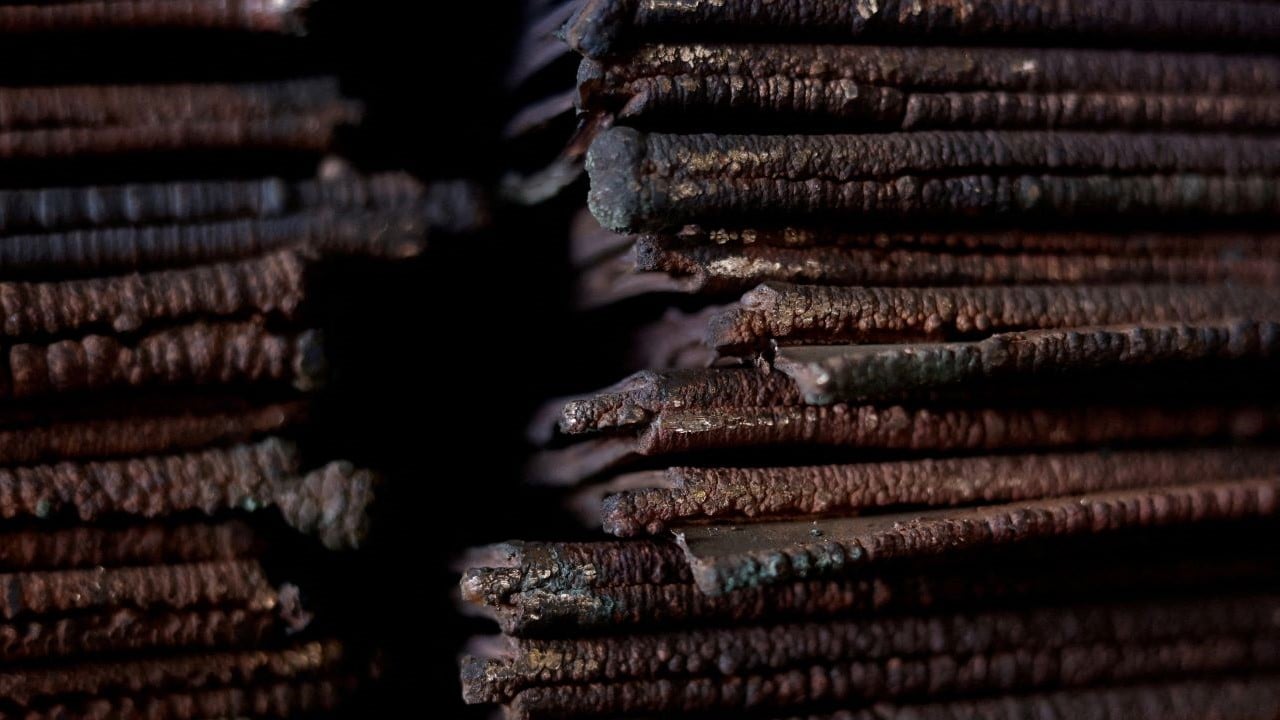
Choosing sovereignty over subsidies isn't free. Zambia is currently the second-largest copper producer in Africa. It also sits on massive deposits of cobalt, lithium, and manganese—the "green" minerals every superpower needs for EVs and defense tech. By walking away from this deal, the Zambian government is risking the health of 1.3 million people who depend on U.S.-funded HIV treatments.
We’re already seeing the fallout. Reports from clinics in Lusaka and the Copperbelt describe shortages of antiretroviral drugs. The U.S. has already cut $50 million in existing funding, citing "drug theft," but many local activists see this as a warning shot. The message is clear: the era of "aid as charity" is dead. Now, it's aid as an invoice.
Minerals vs. Medicines
What exactly did the U.S. want? According to leaked memos from the State Department, the goal was to end China's "preferential access" to Zambian mines. The U.S. proposed a five-year health package but demanded that Zambia commit $340 million of its own money to health—money the country barely has while restructuring massive debts.
- The Mining Hook: The MOU would have been "immediately terminated" if Zambia didn't agree to a separate mining compact by April 1.
- Data Mining: Beyond the physical minerals, the deal required one-way sharing of sensitive Zambian health data.
- The Workforce Trap: Zambia was expected to hire 40,000 new health workers by 2030, a 50% increase that local experts say is financially impossible without the very aid being threatened.
I've seen plenty of tough negotiations, but linking the survival of HIV patients to mining concessions is a new low in "America First" diplomacy. It ignores the reality that if a country's health system collapses, its mining productivity will follow.
Why this matters for the global market
Zambia isn't the only one pushing back. Zimbabwe recently rejected a similar $367 million deal for the same reasons. Meanwhile, countries like Ghana are also signaling they won't trade their natural resources for medical supplies. This creates a massive opening for other global players—specifically China and the Middle East—who are more than happy to step in with infrastructure-for-minerals deals that don't come with "democratic" or health-sector strings attached.
For the U.S., this strategy might backfire. By playing hardball with life-saving medicine, they're losing the "hearts and minds" battle. It's hard to sell a partnership as "mutually beneficial" when the opening move involves threatening to cut off a person's medication.
Moving forward in a transactional world
If you're watching the mining or global health sectors, the old rules are gone. Zambia's refusal proves that even the most aid-dependent nations have a breaking point when it comes to their natural wealth.
- Watch the Copperbelt: Prices will likely fluctuate as Zambia looks for new investment partners to fill the gap left by the U.S.
- Health System Resilience: Look for Zambia to pivot toward regional African health partnerships or increased collaboration with the Global Fund to bypass bilateral U.S. pressure.
- Private Sector Opportunity: If the U.S. government can't close the deal, private American mining firms will have to negotiate on their own merits without the leverage of State Department aid.
The April 30 deadline has passed, and Zambia hasn't blinked. It's a high-stakes gamble that will determine whether the country can truly own its resources or if it will be forced back to the table as the medicine cabinets run dry.