America built the world's biggest stage for the 2026 FIFA World Cup, but forgot to make sure the guests could actually show up.
With weeks left before the June 11 kickoff, the hospitality industry is staring at a disaster. The massive tourism boom promised to cities across the country isn't happening. Instead, a brutal new report from the American Hotel and Lodging Association (AHLA) reveals that hotel bookings in major host cities are lagging way behind early projections.
Nearly 80 percent of hoteliers across the 11 US host markets say their bookings are tracking below initial forecasts. This isn't just a minor statistical blip. It's an industry-wide panic. In places like Boston, Philadelphia, San Francisco, and Seattle, the reality is so grim that local operators are calling the tournament a "non-event."
If you think soccer fans are just waiting until the last minute to book their rooms, you're missing the bigger picture. The reality is that a toxic mix of aggressive federal visa crackdowns, corporate greed from FIFA, and skyrocketing domestic travel costs have broken the economic engine of this tournament.
The Trump Visa Wall is Keeping Fans Away
Donald Trump loves to take credit for bringing global events to American soil, but his administration's immigration policies are actively choking the life out of this tournament. You can't invite the entire globe to a party and then lock the front door.
According to the AHLA survey, roughly 65 percent of hotel operators specifically blamed visa barriers and geopolitical tensions for the plummeting demand. The Trump administration assured FIFA that it would facilitate entry for ticket holders, but the reality on the ground tells a completely different story. Every single international applicant is facing extreme vetting, massive backlogs, social media checks, and surging fees.
For ordinary fans from qualified nations across South America, Europe, and Africa, getting an appointment at a US embassy has turned into a bureaucratic nightmare. The path to the US feels less like a red carpet and more like an interrogation. When fans can't guarantee they'll even be allowed past airport screening, they don't buy plane tickets or reserve hotel rooms.
The administration's strict border rhetoric has created a massive perception problem. International travelers feel unwelcome. Why spend thousands of dollars to visit a country that treats your vacation request like a national security threat?
Shocking Numbers in the Heartland and Major Hubs
The damage isn't localized to one or two cities. It is widespread. Look at the data coming out of the host markets:
- Kansas City: Between 85 and 90 percent of hotels report tracking below forecasts. Booking volumes are lower than a typical, quiet mid-summer weekend.
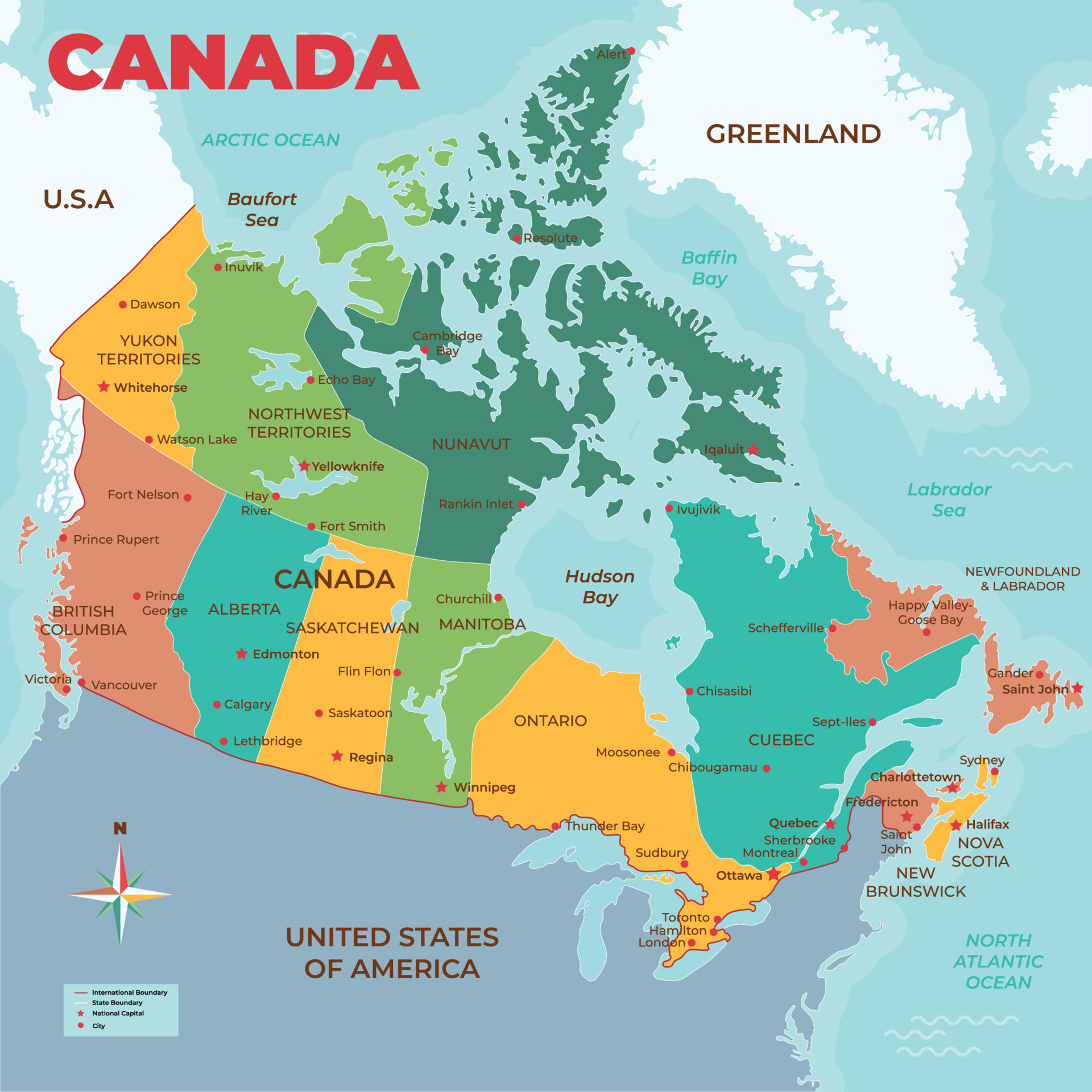
- Vancouver: Over in Canada, match-date occupancy sits at 39 percent, compared to 53 percent during the same period last year.
- Boston: Hotel occupancy ahead of the June 16 match between Norway and Iraq is idling at a pathetic 32 percent.
- New York City: Two-thirds of hotel operators report weaker demand than expected, even with marquee matches on the schedule.
Even high-profile soccer powerhouses aren't drawing the crowds. The June 13 match between Brazil and Morocco has triggered a hotel occupancy rate of just 31 percent in its host market. Last year at this time, those same hotels were at 43 percent capacity without a World Cup match.
The math doesn't add up for a tournament that was supposed to break every tourism record in human history.
Ticket Prices and FIFA Greed Have Priced Out the Real Fans
Even the president thinks the prices are a joke. Donald Trump recently admitted to the New York Post that he wouldn't pay the current ticket rates, reacting with shock to news that entry-level seats for the United States men’s national team opening match against Paraguay in Los Angeles were pushing $1,000.
"I did not know that number," Trump said. "I would certainly like to be there, but I wouldn't pay it either, to be honest with you."
When a billionaire says an event is too expensive, ordinary working-class families stand zero chance. FIFA president Gianni Infantino has tried to defend the pricing by claiming that attending American sporting events is just naturally expensive. That defense fell flat instantly. Fans online immediately pointed out that you can grab baseball or basketball tickets for a fraction of what FIFA is demanding.
By chasing elite corporate dollars, FIFA and ticket brokers priced out the heartbeat of the sport. The fans from Queens, Brooklyn, and working-class neighborhoods worldwide who actually fill stadiums and create the legendary World Cup atmosphere have been completely locked out.
The Phantom Demand of Canceled Room Blocks
Hotels are also dealing with a self-inflicted hangover caused by FIFA's operational rules. Early on, FIFA forced hotels in host cities to tie up massive blocks of rooms for players, staff, sponsors, and VIPs. This created an artificial early demand signal.
Believing rooms were scarce, hotels jacked up their rates. Then, in accordance with standard contract timelines, FIFA quietly released and canceled huge chunks of those reserved room blocks back onto the open market.
Suddenly, hotels that thought they were fully booked were left holding massive inventories of empty rooms with just weeks to go. Because they held out for peak prices for so long, they missed the normal summer booking window. Now, they are stuck holding highly priced inventory that nobody wants.
The Expansion Trap Explains the Missing Crowds
We are seeing the unintended consequences of the expanded 48-team format. With 104 matches scattered across 16 distant cities in the United States, Canada, and Mexico, the tournament is geographically bloated.
FIFA expected fans to follow their teams from city to city, taking long domestic trips. They forgot how massive North America actually is. Flying from a match in Houston to the next one in Seattle or Toronto costs a fortune. Add in the strength of the US dollar, which makes everything from a burger to an Uber insanely expensive for foreign visitors, and fans are choosing to stay home.
Instead of an interconnected soccer festival, the geographic distance has fragmented the audience. People are choosing to watch the games from their local pubs rather than navigating the expensive, exhausting American aviation system.
What Hotels Must Do Right Now
The time for hoping for an international rush is over. If you own or manage a property in a host city, you need to pivot immediately to save your summer season.
- Slash rates immediately to capture the drive-in market. Stop waiting for international soccer tourists who don't have visas. Drop your rates to appeal to domestic regional travelers who might want to experience the festival atmosphere without attending a game.
- Target local fan clubs and domestic supporter groups. Shift your marketing dollars toward regional fan bases. Reach out to local chapters of supporters for qualified countries already living within the United States.
- Unbundle your event packages. If you forced guests to book mandatory three-night or four-night minimum stays, drop those restrictions now. Allow flexible single-night bookings to capture the casual, regional traveler.
The 2026 World Cup will still draw millions of television viewers, but the dream of a historic, gold-rush summer for American hotels is officially dead. It turns out that when you combine restrictive borders, corporate price-gouging, and terrible logistics, everyone decides it's simply easier to watch the match from the couch.