Frost does not negotiate.
When the temperature drops below zero across the eastern plains of Europe, ice forms on transformer boxes with a sound like breaking glass. In houses where the wall plaster has turned to dust from months of damp heat, families pull extra woolen blankets over their shoulders. They watch their breath condense in the corners of kitchens that smell of boiled potatoes and damp wood.
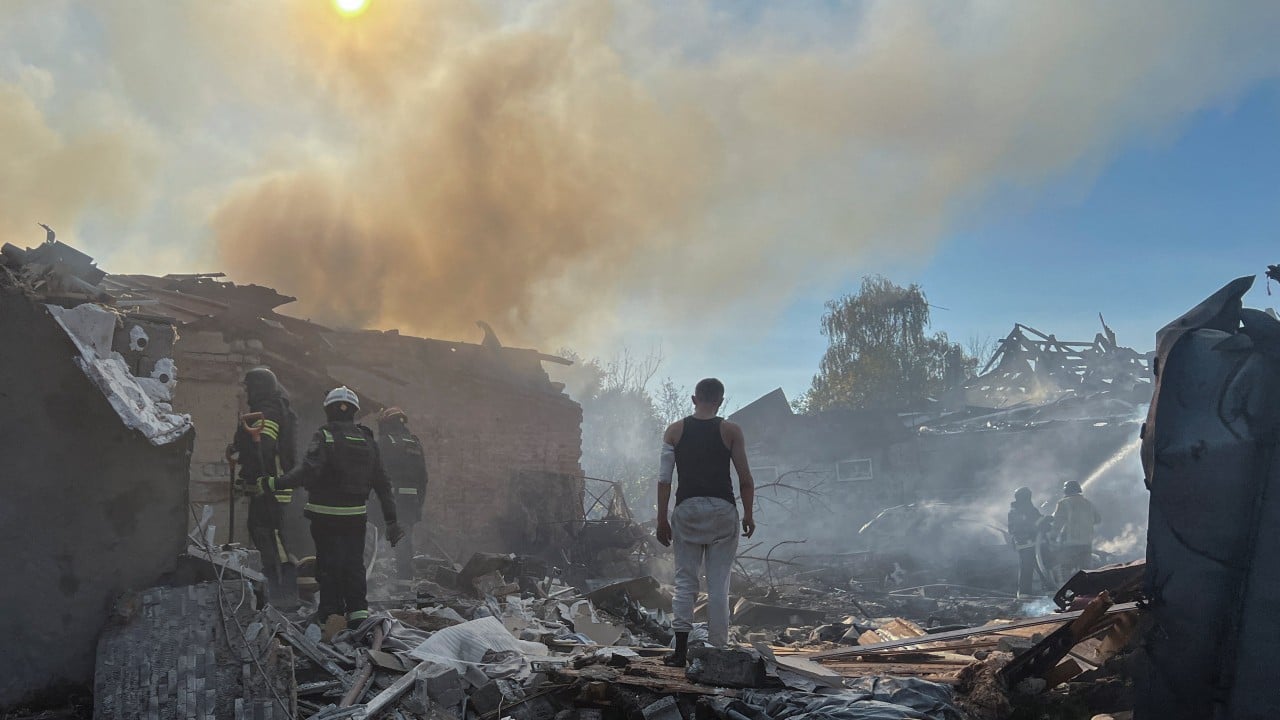
For nearly three years, the rhythm of winter has been punctuated by the scream of incoming steel. A whistling sound overhead. Then the sudden, absolute darkness that means a substation three towns over has just turned into a pile of white-hot slag. People learn to live by the clockwork of blackouts. They keep plastic jugs of water in the hallway, charging bricks tucked inside pockets, and candles lined up on windowsills like silent sentinels.
Then comes a pause.
News arrives through the scratchy static of battery-operated radios and flickering Telegram feeds on cracked phone screens. An agreement. A temporary halt to the hammering of energy grids. An energy ceasefire.
It sounds clinical. Bureaucratic. A diplomatic term minted in air-conditioned conference rooms thousands of miles away from the smell of cordite and frozen mud. But down here, where the frost creeps across the inside of double-pane windows, words like ceasefire mean something entirely physical.
It means the hum of a refrigerator starting up for the first time in six weeks.
To understand what happens when two warring nations agree to spare each other's power plants and transmission lines, you have to look at the anatomy of modern cold.
Modern war is not just armies colliding in muddy fields. It is logistics, and above all, it is current. Every city is a nervous system. The power lines are the axons; the substations are the synapses. When you cut the power, you do not just inconvenience people. You shut down dialysis machines in provincial hospitals. You freeze the water mains until the iron pipes crack like dry twigs, spilling thousands of gallons of freezing slush into basements. You strand old women on the eighth floor of apartment blocks where the elevators died months ago and the stairwells are pitch black.
Military planners call this strategic infrastructure targeting.
A grandmother carrying two buckets of water up seven flights of stairs calls it survival.
When rumors or formal talks of an energy freeze begin to circulate, the reaction on the ground is rarely immediate celebration. Too many promises have evaporated into the winter fog. Instead, there is a tense, guarded disbelief. People squint at the horizon, waiting to see if the distant thump of artillery will drown out the steady, reassuring drone of the local generator.
Consider a hypothetical engineer named Marko, working at a massive, battered thermal power station near the Dnieper. His face is permanently smudged with coal dust and the soot of secondary fires. For months, his job has resembled an exercise in engineering necromancy. He takes scraps of copper wire, burnt-out circuit boards from abandoned factories, and sheer stubbornness, trying to stitch a shattered turbine back to life before the next wave of drones arrives.
When word of the energy moratorium filters down to his shift, Marko doesn't cheer. He lights a cigarette, shields the match with his calloused palm, and looks up at the towering concrete shell of the turbine hall, where the roof is wide open to the gray sky like a broken ribcage.
"If they hold their fire," he tells his apprentice, "we can patch the main line before the deep freeze hits January."
That is the invisible stake. Not territory on a map, not a disputed village of twenty ruined houses, but whether the water in the radiators stays liquid or turns to ice.
The architecture of these temporary understandings is fragile. Wars have their own momentum, like runaway freight trains rolling down a steep grade. Commanders on the ground do not always trust the diplomats in capitals. A stray shell, a nervous anti-aircraft gunner misidentifying a flock of geese for a loitering munition, or a localized grudge can shatter a high-level arrangement in seconds.
Yet, both sides bear scars from the winter campaign.
Energy targeting is a game with diminishing returns and escalating horrors. When you plunge millions of civilians into darkness, you do not break their resolve; you harden it into something cold and hard as flint. At the same time, the retaliatory strikes strain supply chains and consume precision munitions that both capitals need for the frontlines.
So, an unspoken calculus takes hold. A mutual exhaustion.
It is a strange psychological space to inhabit. You can buy bread at the corner shop because the generator is humming, but you know that fifty miles to the west, soldiers are still trading artillery fire across trenches choked with snow. The war does not stop; it simply divides itself into compartments. The trenches are as bloody as ever, but the living rooms fifty miles back might just get a few hours of steady warmth.
People adjust with remarkable, heartbreaking resilience. They learn to time their laundry for the exact window when the local substation is patched. They bake bread when the voltage is stable, knowing it might drop mid-cycle, leaving the dough half-risen in the pan.
History is full of these strange pauses—moments when the machinery of destruction stutters, not out of sudden mercy, but because the cost of continuing becomes momentarily too high to bear.
During the Blitz, Londoners sheltered in the Underground stations while the surface burned, finding routines amid the terror. In other conflicts through the decades, brief truces were carved out around bakeries and water pumps simply because human beings cannot survive without bread and water, no matter what flags their governments fly.
An energy ceasefire belongs to this grim lineage. It is not peace. Peace implies reconciliation, open borders, and the slow, difficult work of forgiveness. This is something much narrower. It is an agreement not to freeze the children in their beds while the adults settle accounts with iron and lead.
As the sun dips below the horizon, casting a pale, bruised purple across the snowfields, the silence stretches. The distant horizon is quiet. For tonight, the transformers are humming instead of burning.
In a small kitchen in the suburbs, a kettle begins to whistle. The sound is shrill, piercing, and entirely ordinary. For millions of people tonight, that simple, steaming noise is the sweetest sound on earth.


