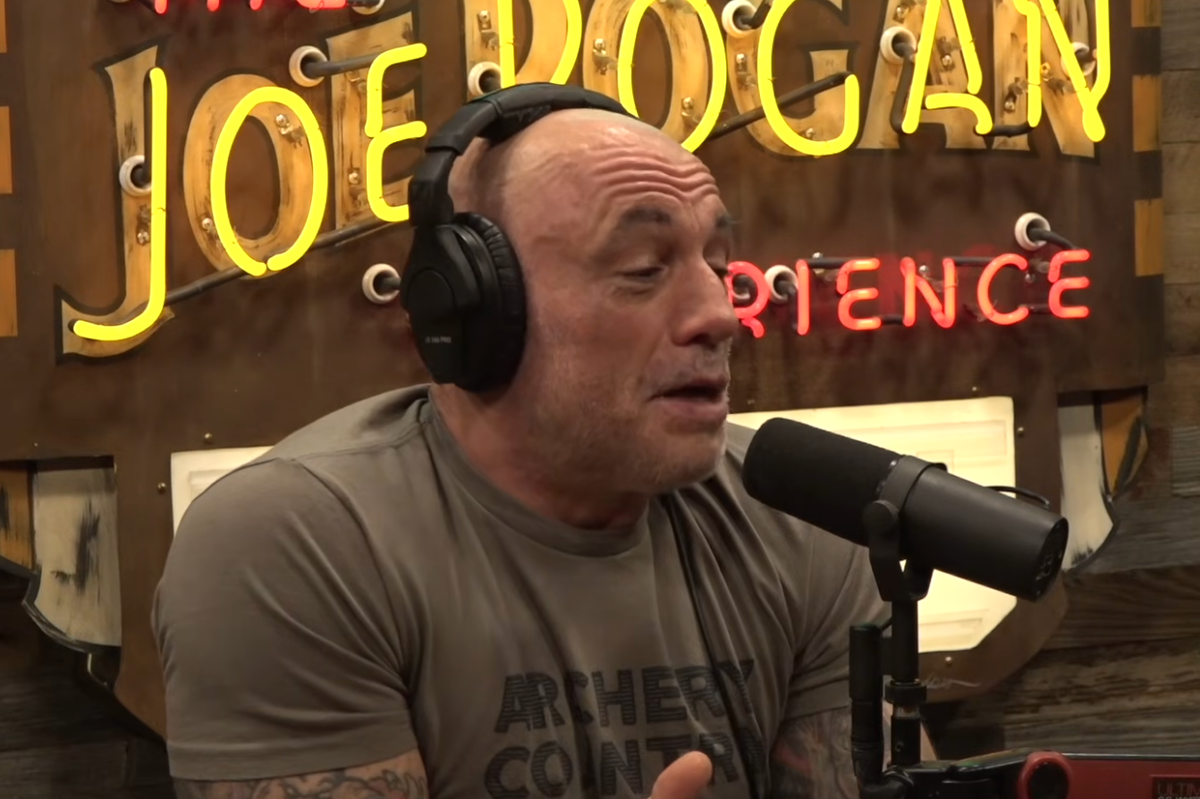
Donald Trump just turned the South Lawn of the White House into an outdoor octagon for UFC Freedom 250, celebrating his 80th birthday with seven blood-pumping mixed martial arts bouts. But behind the spectacle of cageside politics and military VIP seating lay a massive, looming security nightmare. Podcaster and UFC commentator Joe Rogan wasn't shy about calling it out beforehand, publicly worrying about the sheer vulnerability of an outdoor arena stacked with high-profile targets.
When reporters later pressed Trump on Rogan's fears and whether the FBI had briefed him on potential threats to the venue, the president gave a bizarre, pivot-heavy response. He flatly denied hearing about any security threats, choosing instead to hyper-focus on the violence inside the cage.
"I haven’t heard about it, no," Trump said when asked about foiled attack plans. "But the attack that I watched were the fighters."
It is a classic Trump rhetorical move, but it highlights a massive disconnect between political showmanship and modern security realities. While Trump brushed off the danger to praise a "great evening" and Dana White's arena construction, staging a massive, public sporting event on federal property presents operational headaches that traditional venues simply don't face.
The Logistical Chaos of the South Lawn Octagon
Staging UFC Freedom 250 on federal property meant stripping away the typical state-level athletic commissions that regulate fighter safety, drug testing, and medical protocols. Because the White House grounds are federal land, Marc Ratner, the UFC Vice President of Regulatory Affairs, confirmed that the District of Columbia Combat Sports Commission had absolutely no jurisdiction over the event. The UFC essentially had to police itself, handling regulatory duties internally while navigating the intense oversight of the Secret Service.
Security concerns forced Dana White to slash the crowd size dramatically. Trump initially bragged that the lawn would hold 20,000 to 25,000 screaming fans. The actual setup? Under 5,000 seats. It became a highly restrictive, invite-only affair. Roughly 1,200 seats went directly to active military members, with the rest split tightly between the White House, the UFC, and corporate executives. Weigh-ins were pushed out to the Lincoln Memorial, turning downtown Washington into a high-security logistical maze.
Rogan’s pre-fight criticism centered on these exact constraints. He hated the idea of fighting outside, pointing out that an open-air setup leaves fighters and spectators totally exposed to summer heat, sudden downpours, and even swarms of bugs. But the underlying, unspoken anxiety was always safety. An outdoor event in the heart of the nation’s capital creates a massive footprint that is incredibly difficult to completely lock down.
Brushing Off the FBI to Talk About the Main Card
Trump's refusal to engage with the threat brief says a lot about how he treats optics versus intelligence. For him, the success of the night was defined entirely by the energy of the crowd and the quality of the fights. He even joked about pushing his luck with federal property, noting that he got away with it because of the nation's 250th anniversary milestone, though he cast doubt on doing it again anytime soon.
This head-in-the-sand approach to security chatter drives counter-terrorism experts crazy, but it satisfies a fan base that views him as completely untouchable. By reframing a literal "terrorist attack" question into a compliment about brutal knockouts, Trump effectively neutralized the fear narrative. He treated the physical combat in the octagon as the only violence worth noting, dismissing bureaucratic warnings as background noise.
What Happens When Sports and Statecraft Blur
The execution of UFC Freedom 250 sets a wild precedent. We are no longer just looking at presidents inviting championship teams to the White House for cold fast-food buffets. This was a full-scale commercial pay-per-view production built on the president's front yard to celebrate his own birthday.
For the UFC, it cements an unprecedented level of political cultural capital. For the Secret Service and federal law enforcement, it represents a terrifying blueprint for future events. When you turn the most secure executive residence in the world into a public entertainment venue, you invite unpredictable variables that no amount of screening can entirely eliminate.
If you want to look deeper into how this event came together and see the actual footprint of the outdoor arena on the South Lawn, check out this detailed UFC White House Structure Breakdown. This footage walks through the construction layout and details the exact logistical hurdles Dana White's crew faced while building a cage under the watchful eye of federal snipers.