You step onto an airplane, greet the flight attendant at the door, and assume they're on the clock. They aren't. For decades, traditional airline pay models meant cabin crews only earned money when the aircraft wheels left the tarmac and the doors closed—leaving hours of boarding, safety checks, and pre-flight prep completely uncompensated. That broken model finally hit a breaking point in Canada.
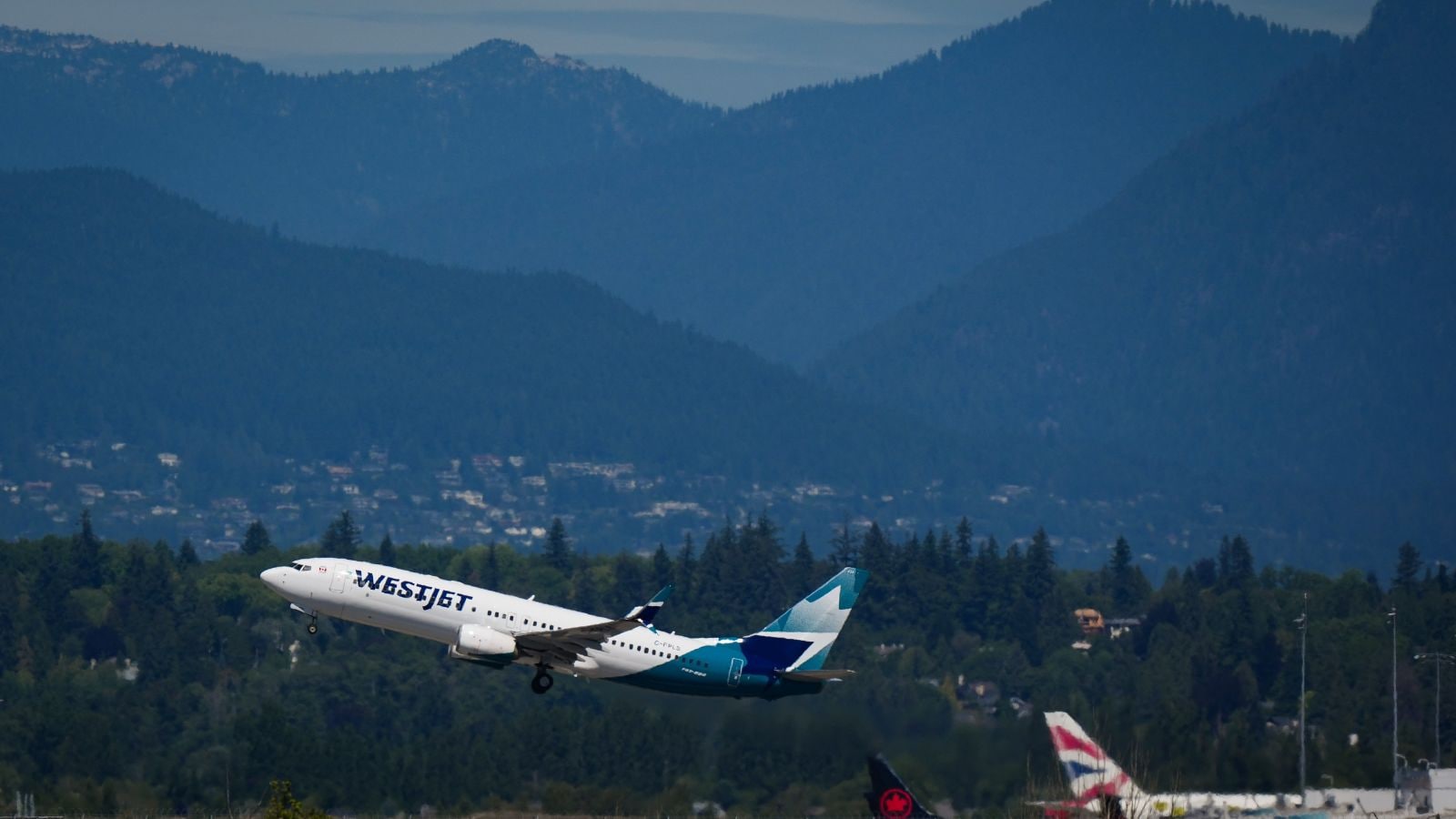
More than 4,400 flight attendants at WestJet, Canada's second-largest airline, walked off the job on a critical long weekend, grounding over 300 flights and throwing travel plans into instant chaos. Represented by the Canadian Union of Public Employees (CUPE), these workers didn't choose a strike lightly. They voted with a staggering 99.4 percent authorization rate because the core dispute cuts to a basic question of labor fairness: should people be paid for every hour they are required to be at work?
The Truth About Unpaid Ground Duties
If you've ever wondered why flight attendants look so stressed before pushback, it's because they're managing a chaotic cabin for free. Traditional aviation structures rely on "block time" or credit-hour systems. Under these legacy rules, airlines don't pay standard hourly rates while crew members herd passengers down the aisle, stow heavy bags, and run critical emergency equipment checks.
WestJet defended its compensation approach by pointing to its existing credit-hour framework, arguing that higher hourly flight rates bake ground time compensation into an aggregate monthly total. But the union saw it differently. Alia Hussain, president of the local union chapter, made it clear that management's latest offers fell short of recognizing the real physical and mental demands placed on cabin crews before takeoff.
WestJet CEO Alexis von Hoensbroech claimed the airline tabled a proposal featuring double-digit first-year wage increases alongside groundbreaking hourly coverage for pre- and post-flight work. Yet, the two sides couldn't bridge the gap before the strike deadline arrived. The result? Grounded Boeing 737 and 787 fleets, stranded travelers scrambling for refunds or alternative routes, and a glaring spotlight on an industry standard that workers are no longer willing to tolerate.
Why This Fight is Bigger Than WestJet
This isn't an isolated Canadian labor dispute. It's part of a massive continental reckoning over how airlines treat their frontline staff. Last summer, Air Canada flight attendants triggered a high-profile three-day work stoppage over identical grievances regarding unpaid groundwork. That action disrupted over 100,000 travelers and forced the federal government into rapid intervention.
Pressure has been mounting across North America ever since. Delta Air Lines broke ranks years ago by introducing boarding pay, and carriers like American Airlines and Alaska Airlines have since adopted partial boarding compensation models. When major airlines cling to archaic pay formulas while reporting healthy executive bonuses and passenger volumes, workers push back. WestJet holds roughly 30 percent of Canada's domestic market, meaning any disruption here sends immediate shockwaves through the entire national transport grid.
What Travelers and Workers Need to Do Now
If you're caught in the middle of this travel disruption, you don't need generic corporate PR statements. You need practical action.
- Check your booking origin: WestJet Encore flights operated by Q400 turboprops and partner code-share services remain operational, so verify your exact flight number before heading to the airport.
- Bypass third-party delays: If you booked directly through WestJet, look out for direct email notifications regarding refunds or re-accommodation. If you used an external travel agent or booking site, contact them immediately to secure alternative seats.
- Know your rights: Canada has strict air passenger protection regulations. While labor strikes are often classified under unforeseen circumstances, you are still entitled to a full refund or a rebooked ticket if your flight gets canceled.
The aviation industry can no longer rely on free labor during boarding processes to pad profit margins. The WestJet strike proves that cabin crews are done accepting half-measures, and until airlines rewrite their compensation playbooks from gate to gate, travel disruptions will remain a ticking time bomb.