The coffee in the paper cup went cold hours ago, ignored on a mahogany table that has seen too many maps and too many quiet arguments. Across that table sit figures whose titles sound heavy in any language, carrying the quiet gravity of economic futures resting on a knife-edge. Outside, the world moves in its ordinary rhythm, completely unaware that the ticker tape of international trade is skipping beats.
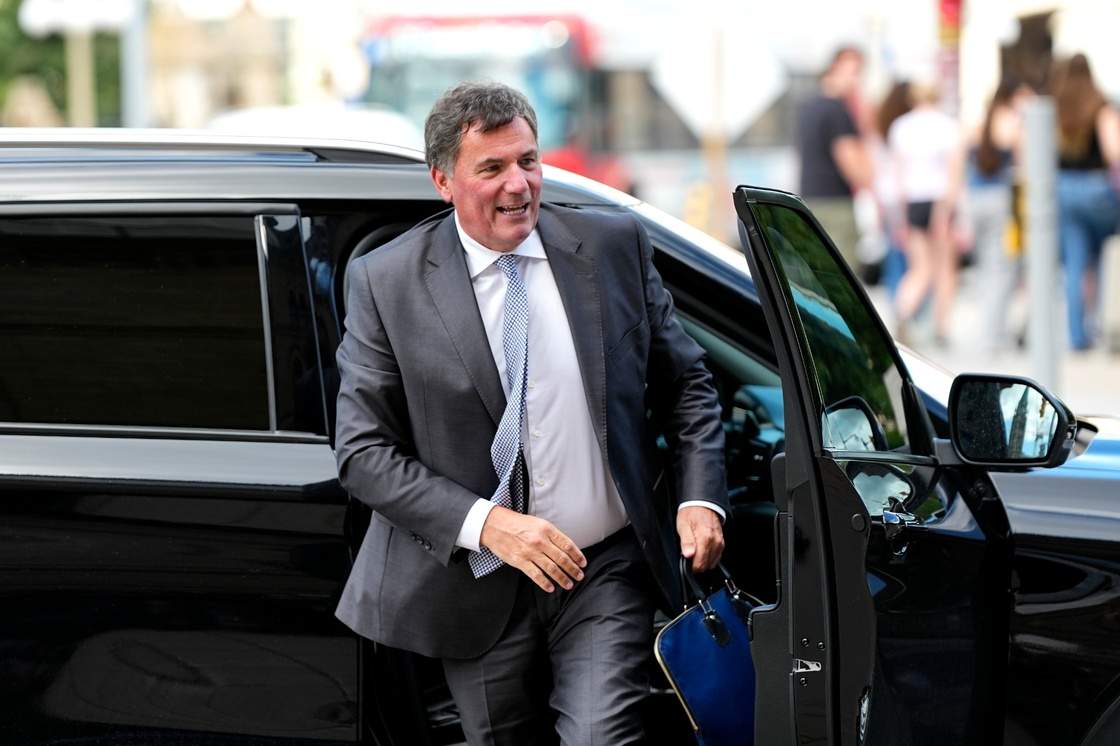
Consider the man at the center of the storm. Dominic LeBlanc is packing his bags once again, heading back down to the United States with a calendar that feels less like a schedule and more like a fuse burning down to the metal. The clock is ticking. Not in the metaphorical sense of a poetic writer trying to dress up a Tuesday afternoon, but in the literal, sweat-inducing reality of a tariff pause that is rapidly expiring.
To understand why this matters, step away from the polished glass of the negotiating room and look at a loading dock in Michigan or a rail yard in Ontario. Imagine a logistics manager named Sarah, looking at a stack of manifests for auto parts that cross the border three times before a single vehicle ever rolls off the assembly line. Every part is a puzzle piece. Every border crossing is a toll booth waiting to happen. When the tariff pause holds, Sarah sleeps. When the clock runs out, the cost of building that car jumps, and the ripple effect reaches a family trying to figure out how to pay for groceries next month.
Governments call these disputes trade talks. They talk about quotas, percentages, and compliance mechanisms as if they were moving chess pieces on a board where the pieces don't bleed. But the board is real. The pieces are livelihoods.
The tension comes down to a simple, brutal truth. Nations become dependent on one another in ways that make divorce impossible and marriage unbearable. We built a synchronized continental machine over decades, knitting together steel mills, agricultural supply chains, and energy grids until it became nearly impossible to tell where one economy stopped and the other began. Yet, every few years, political pressures test the seams of that fabric.
LeBlanc knows the stakes. He has walked this corridor before, balancing the fierce protection of domestic industry against the existential need for continental stability. But the political winds shift unpredictably. What was acceptable under yesterday's administration becomes a point of fierce contention under today's renegotiation terms.
Consider what happens next if the talks stall. The rhetoric will sharpen. Headlines will flash red with warnings of retaliatory duties on dairy, lumber, and technology. Businesses that have spent millions streamlining their supply chains will begin emergency planning, shifting inventory routes, and hoarding materials like squirrels preparing for an endless winter. The invisible cost of uncertainty is always paid in advance, long before any official tax is ever levied at the border.
Yet, within that friction lies the enduring stubbornness of cooperation. Deals are rarely born out of sudden affection between nations. They are forged in the exhausting realization that the alternative is mutual economic self-harm. Both sides stare into the abyss of a trade war, calculate the political cost to their respective constituents, and pull back at the very edge of the cliff.
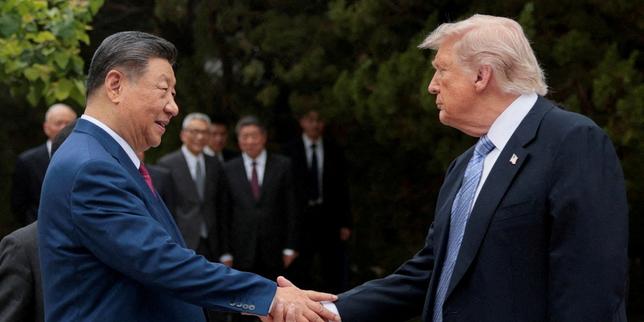
The plane will land. The motorcade will move through Washington traffic. The handshakes will look stiff and practiced for the cameras, hiding the exhaustion behind tired eyes. But behind those closed doors, sentences will be measured, compromises will be quietly offered, and a few more precious weeks or months of stability might just be salvaged from the fire.
The clock keeps ticking, but time is still ours to spend.