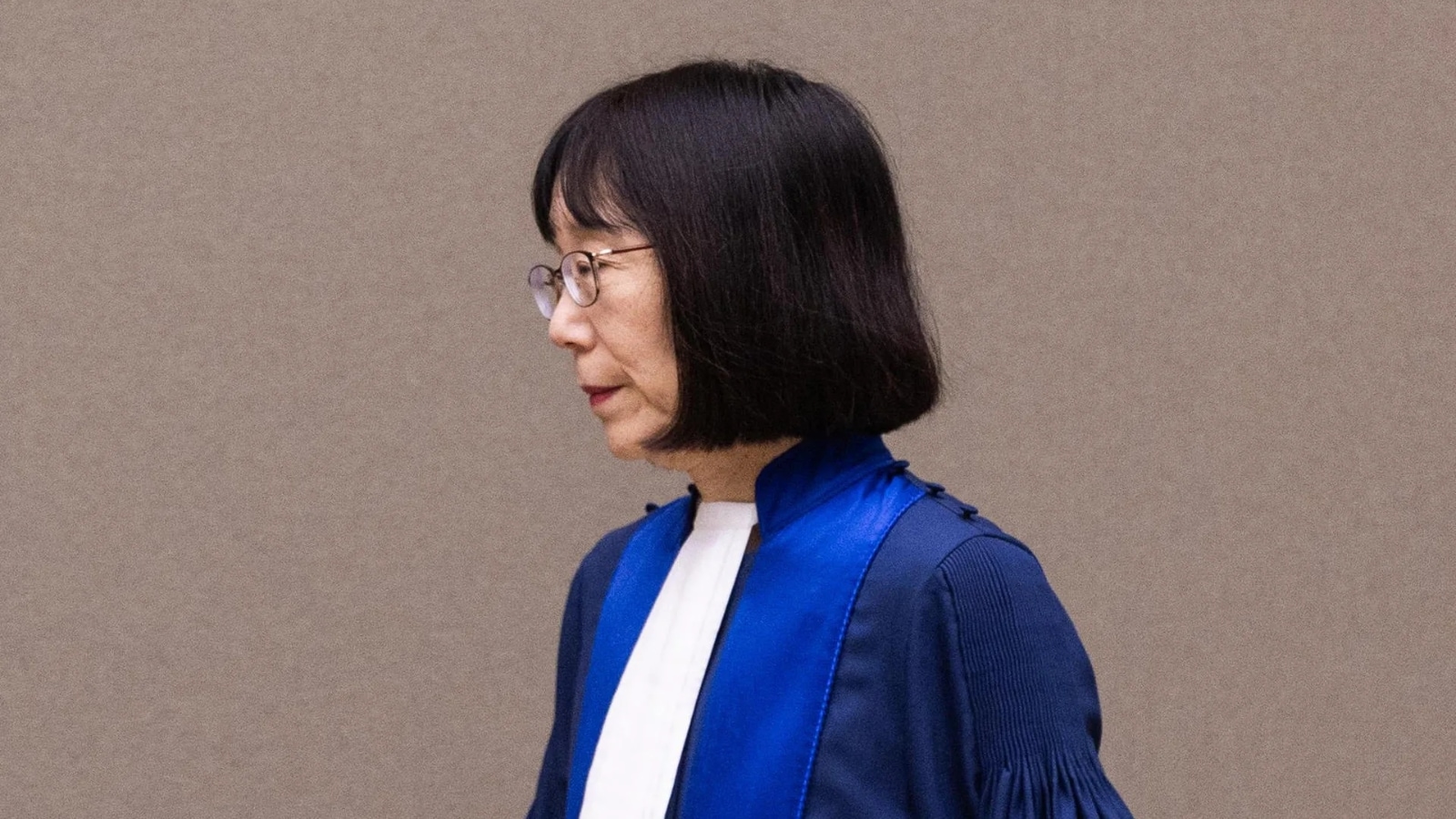
Foreign policy battles rarely get as personal as freezing a judge's bank accounts. Washington just drew a hard line against The Hague. US Secretary of State Marco Rubio announced aggressive financial penalties targeting International Criminal Court President Tomoko Akane and senior trial lawyer Abdoulaye Seye.
If you are wondering why the White House is aggressively targeting the head of a global judicial body, it comes down to a fundamental clash over national sovereignty and war crimes jurisdiction. The move hits Akane, a Japanese jurist leading the court, with asset freezes and travel bans on US soil. It signals a massive escalation in the ongoing war between Washington and international prosecutors.
The Trigger Behind the Penalties
The White House isn't hiding its motivation. Tensions boiled over after the ICC issued high-profile arrest warrants for key leaders, including Israeli Prime Minister Benjamin Netanyahu. Because the United States never signed onto the Rome Statute, Washington argues the court has zero legal authority over American citizens or close allies like Israel who also remain outside the treaty.
Rubio did not mince words when rolling out the restrictions. He called the tribunal a politicized entity that exceeds its mandate. The administration's stated goal is to dismantle the threat the court poses to state sovereignty.
This isn't even Akane's first rodeo with retaliatory measures. Back in 2023, the court issued an arrest warrant for Russian President Vladimir Putin over actions in Ukraine. That decision prompted Moscow to issue its own retaliatory arrest warrants against Akane and other court officials. Now, she finds herself squeezed from multiple global superpowers at once.
How the Court and Watchdogs Are Responding
The reaction from international law defenders was swift and furious. The ICC fired back immediately, warning that threatening judges for simply applying international law puts the entire global legal order in jeopardy.
Human rights organizations also condemned the white paper sanctions. Human Rights Watch labeled the move a naked attempt to shield officials from accountability. Legal battles are already brewing in domestic courts, with advocacy groups filing lawsuits against the administration over how these financial blocks obstruct justice for victims of atrocities.
Despite the pushback, the White House is doubling down. Officials are actively urging partner nations to pull their funding and withdraw participation from the court entirely. Nations like Chad and Venezuela have already leaned into Washington's campaign. Meanwhile, major players like Japan—Akane's home country and a massive financial backer of the court—find themselves caught in an awkward diplomatic crossfire.
The friction shows no signs of cooling down. As the US administration continues its systematic pressure campaign, the future authority of global judicial bodies hangs in a very precarious balance. Track how member states respond to Washington's withdrawal demands, because those diplomatic choices will dictate whether the court survives this existential crisis.