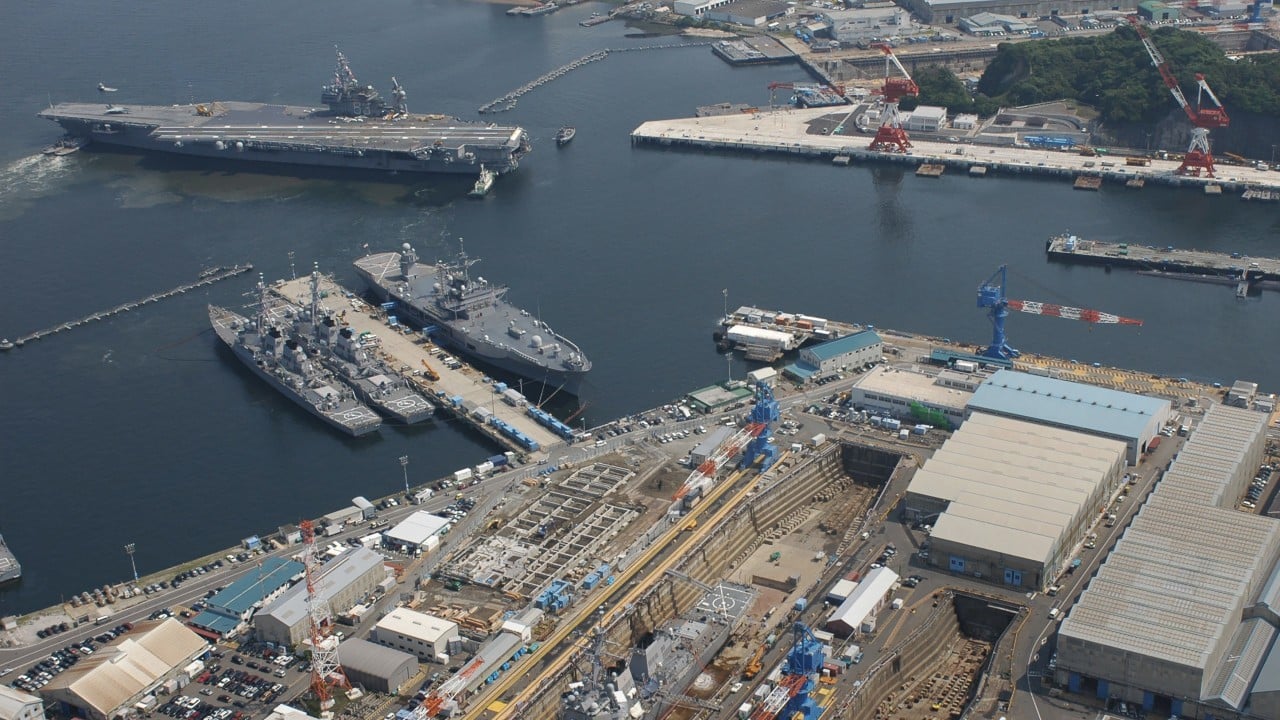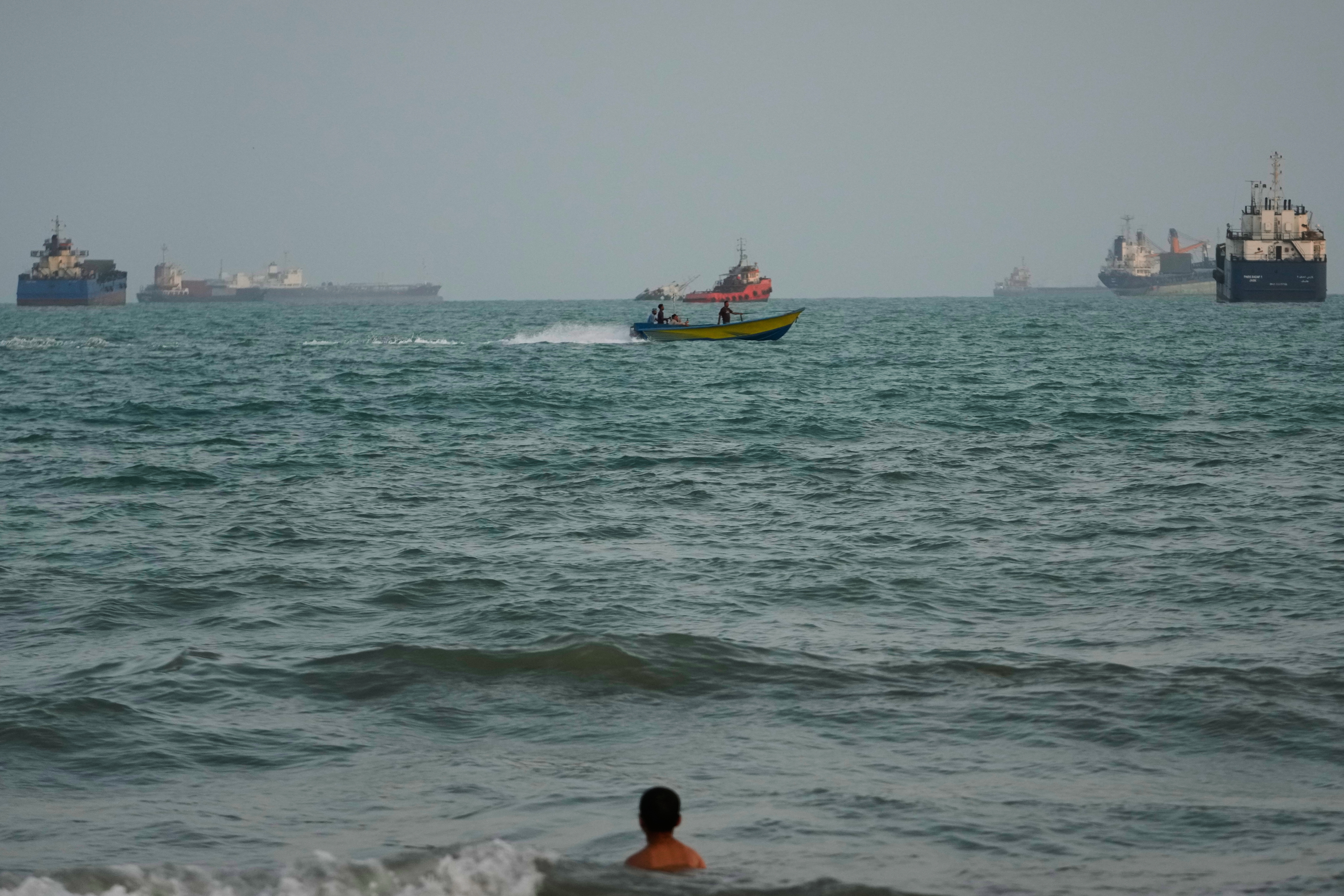
Every headline right now feeds you the same pacifying bedtime story. The script goes like this: American warships faced an unprovoked escalation in international waters, the Pentagon responded with calibrated precision, and three Iranian oil tankers met a fiery end as a warning to Tehran.
It is a clean narrative. It is also a dangerous fantasy. Don't forget to check out our previous post on this related article.
I spent over a decade watching defense budgets get written, intelligence assessments get massaged, and tactical engagements get reframed for the nightly news. I have sat in rooms where military posturing was treated as foreign policy because actual strategy was too difficult to pitch to Congress.
The lazy consensus is that these strikes represent deterrence in action. The reality is far uglier. We did not strike those vessels because of an immediate threat to a destroyer. We struck them because Washington needed to break a logistical stalemate in a shadow war it is actively losing on the economic front. To read more about the context of this, The Guardian offers an informative breakdown.
Let us look past the Pentagon press briefings and dissect what actually happened out there.
The Myth of the Unprovoked Threat
When the Department of Defense claims naval assets were targeted, the media immediately defaults to visualizing a rogue missile screaming toward an American hull. That mental picture is designed to trigger a reflex: defend the fleet, punish the aggressor, ask questions later.
Here is what the desk jockeys in Washington omit. Modern anti-ship missile targeting is not a casual endeavor. It requires active radar illumination, high-bandwidth data links, and a clear chain of command that knows exactly what happens five minutes after the launch button is pressed. Iran's naval command structure is brutal, ideological, but fundamentally pragmatic. They understand asymmetric calculus better than anyone in the Pentagon gives them credit for. Launching a kinetic strike against an active US Navy surface action group is not an act of routine harassment; it is an invitation to national dismantling.
So why would Tehran allegedly authorize it?
They didn't.
What the intelligence reports quietly bury—if you know which footnotes to read—is that these encounters happen in congested shipping lanes where electronic warfare is constant. Radar spoofing, civilian navigation blips, and transponder spoofing turn the Persian Gulf into a digital hall of mirrors. When a warship’s combat system registers a lock, it is often reacting to ambiguous electronic noise rather than a physical projectile on a ballistic trajectory.
Yet, the Pentagon labels any radar painting as an imminent attack because it provides the legal and political clearance to pull the trigger on economic targets that have nothing to do with self-defense.
The Real Target is Not a Warship
If you want to understand why three oil tankers were sent to the bottom, stop looking at naval defense metrics and start looking at ledger books.
For the past three years, sweeping economic sanctions were supposed to choke Iranian crude out of global circulation. Washington built an entire diplomatic edifice around the idea that Tehran could be starved into submission. The flaw in that strategy is simple: the global energy market is too thirsty, and the shadow fleet is too vast. Tankers routinely go dark off the coast of Bandar Abbas, spoof their flags, transfer cargo ship-to-ship in the middle of the Gulf of Oman, and offload sanctioned hydrocarbons to refineries in Asia under clever accounting disguises.
American warships cannot legally board every foreign-flagged vessel on suspicion of breaking unilateral US sanctions. That violates freedom of navigation principles we claim to champion.
So what do you do when your economic weapon fails? You change the rules of engagement.
By manufacturing a kinetic narrative—claiming the tankers were part of a targeting chain against US warships—the military creates a pretext to destroy the financial assets themselves. Those three tankers weren't floating missile platforms. They were revenue streams. They were moving liquidity for an economy that refuses to collapse on schedule.
This is not defense. This is economic warfare disguised as force protection.
The Dangerous Logic of Escalation Dominance
The people managing these portfolios in the National Security Council suffer from a chronic addiction to escalation dominance. The theory sounds neat on a whiteboard at the National War College: if they hit you with a pebble, you throw a brick. Eventually, they stop throwing pebbles because the cost-benefit analysis breaks down in your favor.
Except it doesn't work that way when dealing with actors who view survival through an existential lens.
Imagine a scenario where a major poker player realizes the house is changing the rules every time they win a hand. Do they fold and walk away? No. They flip the table or find a way to bleed you outside the casino.
When you sink oil tankers under the flimsy pretext of self-defense, you are not establishing deterrence. You are inviting asymmetric retaliation in domains where the US military is deeply vulnerable. Think cyberattacks on domestic grid infrastructure, proxy harassment of commercial shipping in the Bab-el-Mandeb, or accelerated nuclear threshold-crossing that intelligence agencies are too arrogant to predict accurately.
We are trading short-term tactical satisfaction for long-term strategic chaos. Every time a defense official goes on television to celebrate a successful kinetic strike on a cargo vessel, they are masking a profound failure of diplomacy and intelligence.
Stop Asking the Wrong Questions
If you are still wondering whether the Navy's electronic logs justify the retaliation, you are falling straight into the trap. The question is not whether a radar lock occurred. The question is why American foreign policy has been reduced to using multi-million-dollar ordnance to police oil transit routes that our own reckless sanctions destabilized in the first place.
The brass wants you to look at the fire on the water. They want you to cheer the display of steel and technological supremacy. They do not want you to ask why we are fighting a shadow war over floating metal in a region we promised to exit twenty years ago.
The next time you read a breathless update about an unprovoked escalation in the Gulf, remember the ledger. Remember that empires don't sink because they are outmatched; they sink because they keep paying an unsustainable price to defend lies they told themselves.
The tankers are gone. The water is calm again. But the rot in Washington's strategic thinking is still burning right down to the waterline.