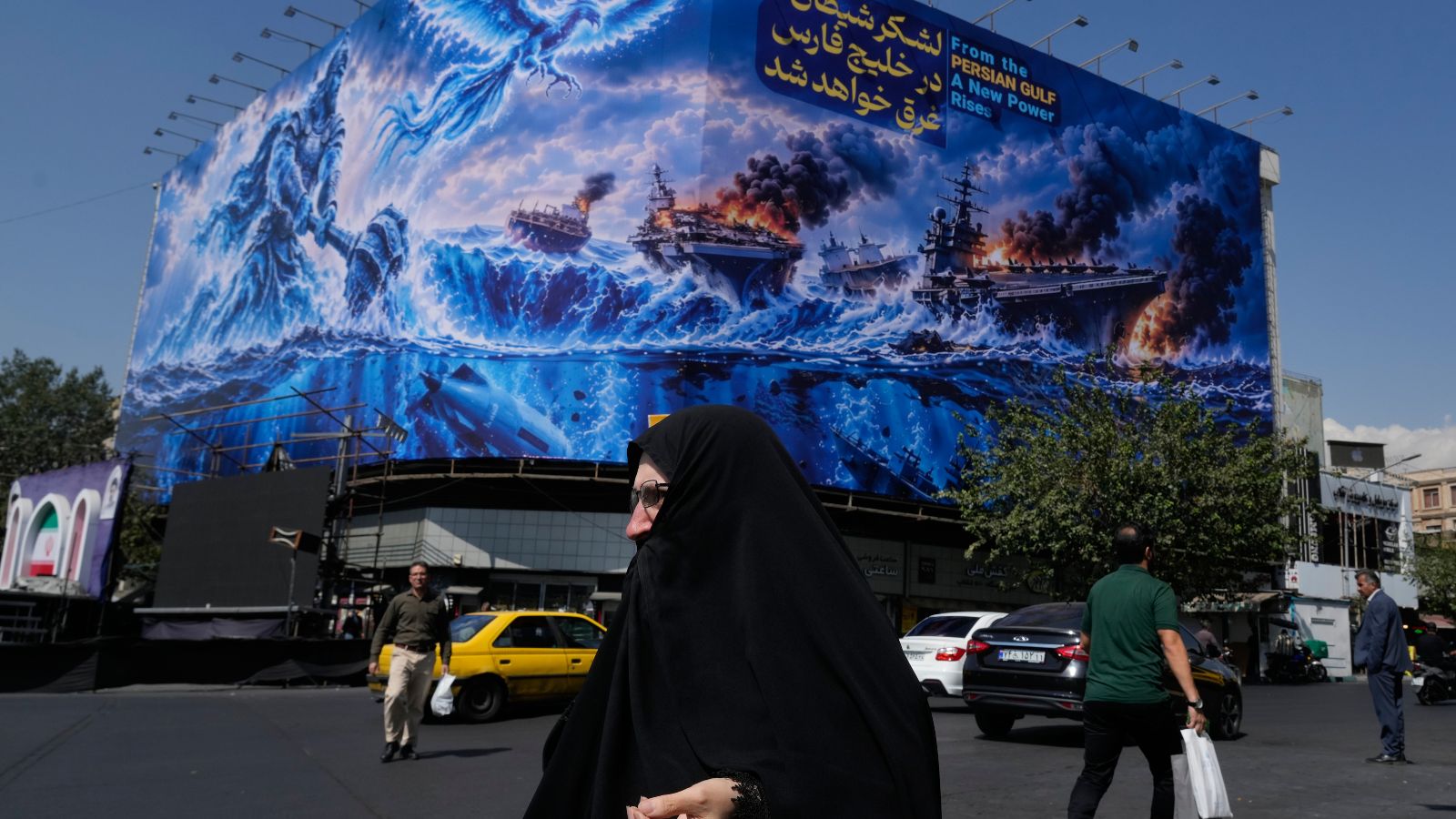
If you rely on breaking news alerts, you might think US and Iranian diplomats are locked in endless, high-stakes shuttle negotiations. You hear about Qatari envoys flying back and forth, Pakistani diplomats passing messages, and Russian officials pitching proposals in neutral capitals. Yet nothing changes. Sanctions stay bolted down, tankers face maritime friction in the Strait of Hormuz, and the threat of military escalation hangs over every market report.
The problem isn't that nobody is talking. Honestly, the problem is that Washington treats diplomacy as a pressure tactic rather than an outcome. When officials point fingers and claim the other side refuses to engage, they're missing the structural reality of the crisis. Without genuine diplomatic architecture, mediation becomes just another theater of conflict.
The Crowded Room of Failed Intermediaries
Look at who has tried to bridge the gap over the last year. Qatar has run endless shuttle diplomacy. Pakistan has maintained quiet backchannels. Even Moscow attempted to stitch together proposals, trying to tie Middle Eastern security to broader European disputes. On paper, everyone wants an agreement.
In practice, this crowded market of intermediaries creates noise rather than clarity. Tehran and Washington aren't failing to reach a deal because messages get lost in translation. They are failing because the messengers lack the authority to change the fundamental terms of the fight. When a third party delivers a proposal, both capitals immediately calculate how it alters their tactical positioning on the ground.
Think about how this plays out in real time. Mediators float a temporary freeze on regional tensions. Washington responds by demanding stricter, unilateral constraints before any sanctions relief touches the Iranian economy. Tehran views those demands as a trap designed to disarm them without offering tangible economic security in return. The talks stall, the intermediaries head home empty-handed, and everyone resets for the next round of strikes.
You can't mediate an end to a conflict when one side views talks as a substitute for victory and the other views them as a surrender document. Intermediaries can carry notes, but they can't invent common ground where none exists.
The Divergence in Strategic Objectives
At the heart of the deadlock is a massive chasm in what each government actually wants out of a settlement. Washington operates under the belief that maximum economic pressure will eventually force Tehran to capitulate on regional security, ballistic missiles, and its nuclear program all at once. It's an all-or-nothing framework that leaves zero room for gradual trust-building.
Tehran sees the board entirely differently. Iranian officials argue that they've already demonstrated flexibility in past agreements, only to watch the US rip up deals overnight. From Tehran's perspective, entering new talks without a guarantee of sanctions relief is political suicide for domestic hardliners. They view diplomacy as an extension of defense. If the battlefield and the negotiation table are the same thing, you don't make unilateral concessions just to keep foreign ministers happy.
This divergence means that every diplomatic initiative hits a brick wall. Washington wants immediate surrender wrapped in diplomatic language. Tehran wants immediate economic relief without giving up its core deterrent capabilities. No mediator on Earth can bridge that gap unless one or both capitals decide their current strategy is failing. Right now, neither side has reached that breaking point.
Domestic Politics and the Cost of Compromise
Foreign policy rarely happens in a vacuum. Domestic political calendars dictate much of the paralysis we see today.
In Washington, administrations juggle electoral cycles and intense congressional scrutiny. Entering into a negotiated settlement with Iran carries massive domestic political risk. Hardline lawmakers stand ready to brand any compromise as appeasement. Because of this, American leaders often prefer the status quo of economic pressure and low-intensity deterrence over the messy work of selling a complex diplomatic accord to a polarized public.
Meanwhile, Iran's internal politics are just as fractured. Reformist figures try to signal openness to dialogue to ease the crushing weight of inflation and trade restrictions. Yet powerful hardline factions push back hard, arguing that trust in Western promises is completely dead. When state publications and parliamentary leaders split publicly over how to handle foreign envoys, it leaves very little room for a unified negotiating stance.
This domestic friction explains why backchannels keep collapsing. Every time an envoy makes progress, domestic factions back home torpedo the momentum to score points against their political rivals. Diplomacy becomes hostage to domestic survival.
Moving Past Performative Diplomacy
If you want to understand why oil markets panic every few weeks over phantom peace deals, look at the incentives driving the current approach. Performative talks serve a domestic political purpose for leaders in both countries. They allow politicians to claim they are pursuing peace while doing nothing that requires actual compromise.
Real diplomacy requires dropping the preconditions that guarantee failure. It means accepting that neither Washington nor Tehran is going to vanish or surrender unconditionally. Until American strategy shifts away from demanding total capitulation through third-party messengers, and until Tehran finds a way to negotiate without viewing every compromise as an existential threat, the deadlock will hold.
Stop waiting for a miracle memo from a foreign capital. The obstacle isn't a lack of mediators. The obstacle is that neither side is ready to pay the real price of peace.