The rhetoric coming out of Washington regarding Havana has crossed a dangerous threshold. When the White House tightens a de facto fuel blockade and talks openly about a potential forced collapse of a sovereign neighbor just 90 miles off the Florida coast, the geopolitical fallout hits immediately. Cuban officials aren't mincing words, labeling the relentless economic pressure as pure collective punishment. But beneath the fierce public declarations from foreign ministers lies a starker reality: a grinding humanitarian squeeze paired with vague, transactional predictions from Donald Trump that a "deal" might still be carved out.
If you look past the headlines, the current strategy relies on isolating an already fragile island grid. Understanding how this standoff reached a boiling point requires looking at the actual mechanics of the restrictions, the humanitarian toll on the ground, and why a negotiated exit remains deeply uncertain.
The Anatomy of the New Economic Squeeze
The pressure campaign did not materialize out of thin air. Following changes in regional dynamics, including shifts in Venezuelan oil supplies and stricter enforcement of secondary sanctions targeting sectors like energy, finance, and technology, Havana’s import lifelines have drastically narrowed.
The strategy is straightforward: choke off fuel imports, trigger widespread blackouts, and starve state revenue channels.
- The Fuel Blockade: By clamping down on maritime routes and warning suppliers, Washington effectively slowed external petroleum deliveries to a trickle.
- Targeted Financial Restrictions: Executive orders have systematically closed off banking pathways, hitting military-linked enterprises and elite networks.
- Secondary Pressures: Third-party nations and regional partners find themselves caught in the crossfire, pressured to scale back medical missions or commercial shipments.
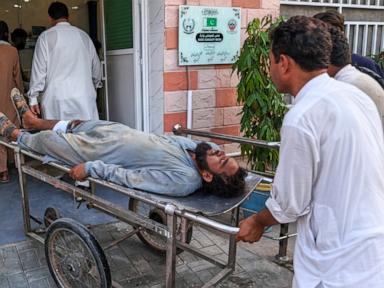
Cuban Foreign Minister Bruno Rodríguez called these measures out directly, arguing that unilateral coercive restrictions intentionally target the civilian population. Ordinary citizens bear the brunt through endless power outages, empty shelves, and compromised transport systems.
Why Trump Predicts a Deal While Threatening Regime Collapse
The Trump administration's posture contains a glaring contradiction. On one hand, officials hint that a deal is entirely possible, feeding into a long-standing pattern of transactional diplomacy where maximum pressure is used as leverage before a grand bargain. On the other hand, public statements have openly floated the prospect of forcing a total government collapse before the presidential term concludes.
This dual track creates a volatile diplomatic environment. Havana has made it clear that officials will not capitulate or resign under direct foreign duress. Meanwhile, domestic political considerations in Florida keep the rhetoric sharp. Appealing to a powerful local constituency that favors a hardline stance ensures that softening the embargo remains politically toxic for any sitting U.S. official.
Yet, history suggests that total isolation rarely yields clean political transitions. Instead, it deepens humanitarian suffering while hardening the resolve of the state apparatus.
The Humanitarian Cost and the Myth of Precision Sanctions
Washington insists that modern sanctions are meticulously calibrated to avoid harming ordinary citizens, carving out theoretical exemptions for food and medicine. Anyone who has spent time analyzing real-world economic embargoes knows this separation is practically impossible.
When you shut down the energy grid, you cripple water purification plants, hospital refrigeration, and food distribution networks. Pharmacies cannot run without power, and ambulances cannot move without diesel. The designation of broad economic sectors—spanning electronics, manufacturing, and marine transport—creates an environment of extreme over-compliance. International banks and shipping firms simply refuse to touch any transaction involving Cuba to avoid triggering American penalties.
This creates a self-fulfilling loop. The tighter the blockade, the more acute the domestic crisis becomes. The state tightens internal security controls in response, which Washington then uses to justify even harsher sanctions.
Where the Stalemate Leads Next
Resolving this deadlock requires moving past political posturing. A genuine diplomatic breakthrough would mean dropping the fantasy of an easy collapse and engaging in reciprocal negotiations that address mutual grievances—ranging from long-standing property claims to human rights and trade barriers.
Until then, the island remains trapped in a high-stakes geopolitical game. The prediction of a deal sounds nice in a radio interview, but the reality on the ground is a population forced to weather chronic shortages while leaders on both sides refuse to blink. Keep a close eye on regional energy shifts and alternative trade talks, because the current pressure model is pushing the island toward a critical tipping point.