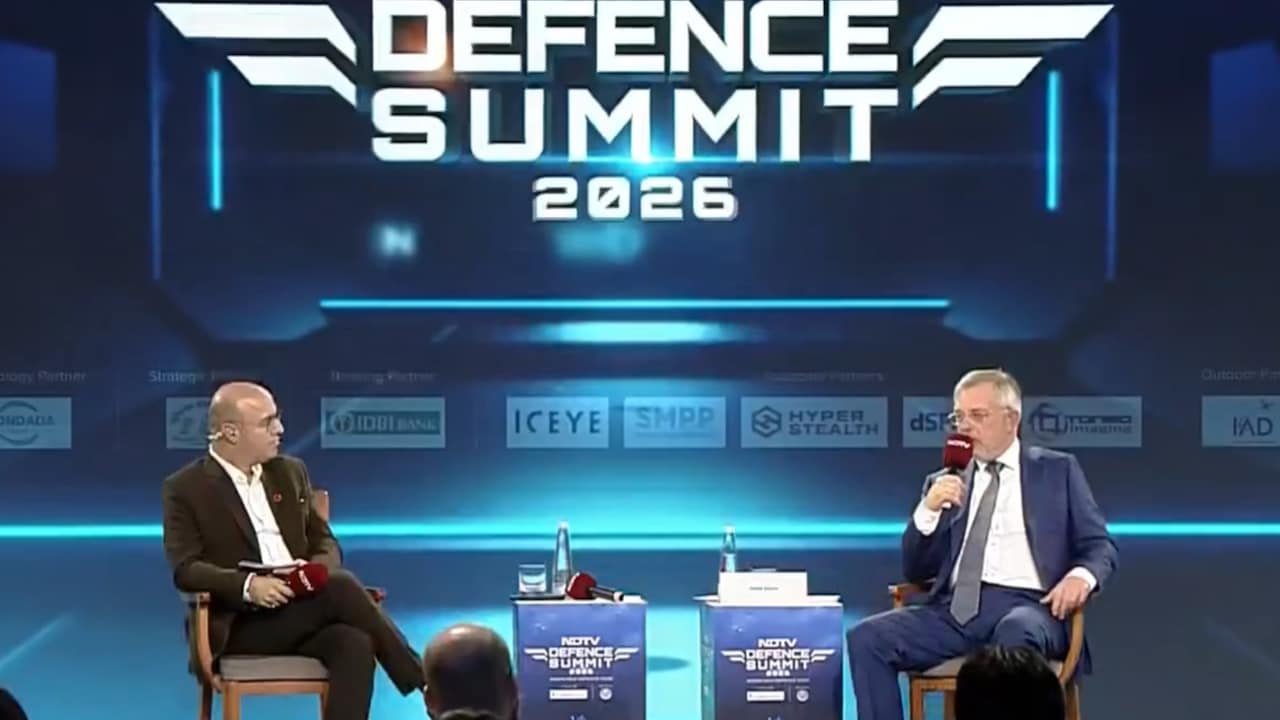
International diplomacy rarely features accidental honesty, but every once in a while, a senior official says the quiet part out loud. Russian Ambassador to India Denis Alipov recently pointed to a striking moment at the Raisina Dialogue, highlighting a public comment by a top American official that caught observers off guard. According to Alipov, the remark—stating that Washington would never allow India to mirror China's trajectory as a global competitor—amounted to a textbook Freudian slip.
Strip away the diplomatic friction, and this narrative touches on a raw nerve in contemporary geopolitics. Western capitals want a strong India to act as a regional counterweight, but only on terms that preserve Western hegemony. When Indian strategic autonomy clashes with Western economic or political directives, the underlying anxiety in Washington becomes impossible to hide.
The Reality of Containment and Energy Pressures
Look at how major powers handle global trade, and you will see the tension playing out in real-time. Washington's push for aggressive trade legislation and secondary sanctions—such as the legislative frameworks targeting nations purchasing discounted Russian oil—reveals a deep-seated desire to police international commerce.
When New Delhi buys energy shipments from Moscow, it isn't doing so out of ideological alignment with the Kremlin. It is executing a basic economic duty to protect 1.4 billion citizens from global price shocks. Yet, Western policymakers often treat this sovereign pragmatism as an infraction.
Alipov argued that as India climbs the ladder toward inevitable superpower status, these pressure tactics will only intensify. The friction isn't accidental. It stems from a systemic discomfort in Western capitals with multipolarity.
Strategic Autonomy Versus Western Expectations
For decades, foreign policy establishment playbooks assumed that rising nations would eventually integrate into a U.S.-led institutional order as junior partners. India has consistently rejected that script.
New Delhi maintains defense and economic ties with Moscow while simultaneously engaging in Western-led forums like the Quad. This balancing act drives traditional Western strategists crazy. They prefer predictable alliances over independent power centers.
When American officials draw private or public lines about how big or influential India is allowed to become, they reveal the limits of their partnership model. True partnership requires treating sovereign states as equals, not subordinates.
The friction over oil, defense hardware, and global governance frameworks proves that Washington views India's ascent through a lens of containment rather than genuine empowerment. As India continues to chart its own course, the real test won't be whether Washington approves, but how resilient New Delhi remains in the face of economic arm-twisting.
Navigating this pressure requires a cold, calculated focus on domestic growth and diversified partnerships. If history is any guide, India’s leadership understands that true sovereignty cannot be granted by foreign capitals—it has to be defended daily.
Russia's Envoy defends India Russia Relations says "US shows its arrogance everywhere"
This video provides an in-depth interview with Russian Ambassador Denis Alipov discussing Western pressure tactics, oil trade policies, and shifting global power dynamics.