Air travel is stressful enough when you're just dealing with delayed luggage and cramped seats. Imagine being halfway to Moscow, thousands of feet in the air, only to have the pilot turn the plane completely around because the airspace below has turned into a drone warzone. That's exactly what happened on a high-profile Turkish Airlines flight, and it highlights a terrifying new reality for international aviation.
The Night the Moscow Skies Shut Down
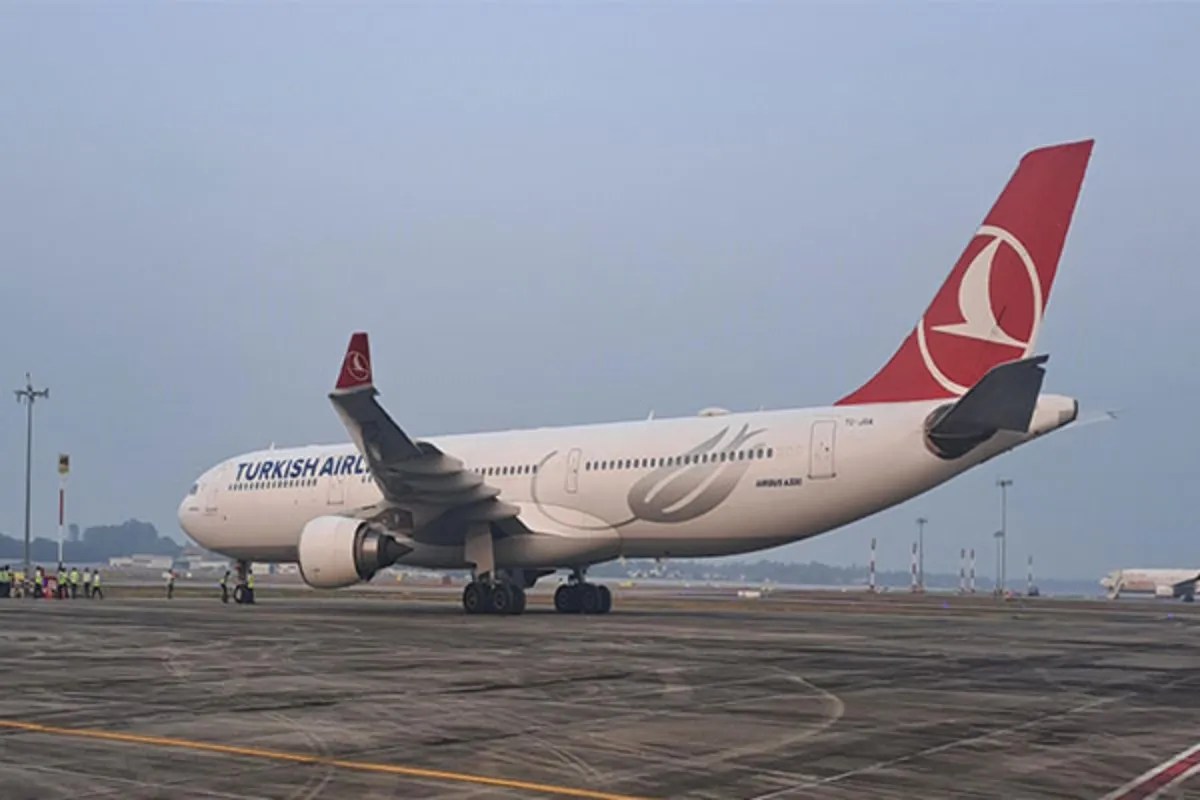
Flight tracking data lit up social media screens when a major Turkish Airlines service heading toward the Russian capital executed a sharp, mandatory U-turn. Instead of touching down at Vnukovo International Airport, the Airbus widebody pointed its nose back toward Istanbul. Why? Because a massive wave of drone strikes had triggered emergency airspace closures around Moscow.
Moscow Mayor Sergei Sobyanin reported that air defense systems scrambled to intercept hundreds of incoming unmanned aerial vehicles closing in on the city. When the sky above your destination is an active defense zone filled with flying shrapnel and anti-air projectiles, landing becomes an impossible gamble. Airlines don't turn back planes loaded with hundreds of passengers lightly—it burns massive amounts of fuel, ruins schedules, and creates a logistical nightmare. But captains don't have a choice when safety margins evaporate.
Why Turning Back to Istanbul Was the Only Option
If you've ever looked at a flight map during a diversion, you might wonder why the plane didn't just land at a closer European or alternative airfield. Real-world aviation politics and heavy sanctions make that nearly impossible. European Union airspace bans flights connected to Russian destinations, meaning a mid-flight diversion into EU territory creates a tangle of regulatory red tape and restrictions.
Furthermore, international carriers operating routes into Russia face strict maintenance and ground support limitations due to ongoing Western sanctions. If a technical issue pops up, local support is sparse. Turkish Airlines keeps its operations streamlined by returning straight to its massive hub at Istanbul Airport, where maintenance crews, spare parts, and replacement aircraft are readily available.
The Ripple Effect on Modern Air Travel
Flying near active conflict zones carries a psychological and financial toll that ordinary travelers rarely think about until things go wrong. If your itinerary involves transit through regional hotspots, you need a flexible strategy:
- Book with carriers offering robust rebooking policies: If an airline abandons a route or turns back, you want automated options instead of spending hours on hold with customer service.
- Monitor flight tracking apps: Often, passengers find out about airspace restrictions from real-time data maps before gate agents even announce a delay.
- Keep communication channels open: Ensure your airline has your direct mobile number and email to push instant updates about sudden schedule changes.
Geopolitical tensions are rewriting flight paths across the globe, turning routine international transits into unpredictable journeys. Next time you book a ticket that skirts a conflict region, remember that the destination isn't guaranteed until the wheels actually hit the tarmac. Pack extra patience, stay alert to regional news updates, and always have a backup plan for your travel dates.