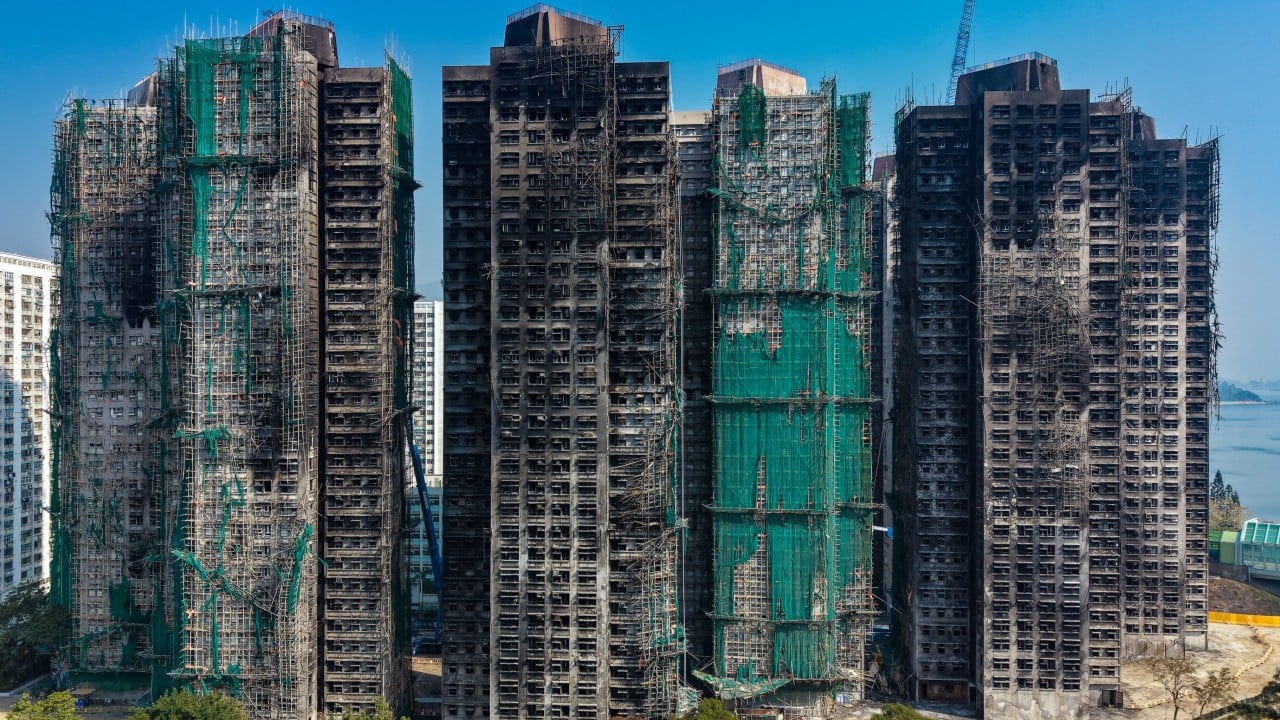
Hundreds of families from Wang Fuk Court are stuck in a bureaucratic nightmare that feels like a slow-motion disaster. Right now, 380 households are pleading for one more chance to get inside their homes. They aren't asking for much. They just want to grab the things that turn a house into a home—photo albums, legal documents, and clothes that don't smell like a disaster zone. The reality on the ground is messy, and the current window for retrieval has been anything but smooth.
If you’ve ever had to pack your entire life into a single suitcase in twenty minutes, you know the panic. Now imagine doing that while officials are counting down the seconds and structural integrity is a "maybe." That’s the situation for these residents. The initial access window was a chaotic scramble. It left hundreds of people standing on the sidewalk with half-packed bags and a lot of regret about what they left behind.
Why a Single Visit Just Is Not Enough
The logic from the authorities seems simple on paper. You go in, you grab your stuff, you leave. But life isn't a spreadsheet. When the first round of access was granted, the atmosphere was thick with tension. People were overwhelmed. It's hard to think clearly when your building is surrounded by yellow tape and the air feels heavy with uncertainty.
Many residents reported that the time limits were strictly enforced to the point of being impractical. If you live on a higher floor and the elevators are finicky or out of service, half your time is gone just climbing stairs. You reach your front door out of breath and dizzy, then you're expected to prioritize your worldly possessions in ten minutes? It's an impossible ask.
Beyond the physical struggle, there’s the emotional haze. Trauma does weird things to the brain. People forgot their passports but grabbed a decorative vase. They took summer clothes and left behind the winter coats they’ll need for the months of displacement ahead. A second visit isn't a luxury. It’s a necessity for basic survival and long-term recovery.
The Gap Between Policy and Human Reality
The 380 households represented in this latest push are highlighting a massive gap in how we handle urban displacement. Usually, the focus is entirely on the "bricks and mortar" of the situation. Is the building leaning? Are the cracks widening? These are important questions, but they ignore the human element.
Property managers and government liaisons often prioritize efficiency and liability. They want the site cleared. They want to minimize the time anyone is inside a potentially risky structure. I get that. Safety matters. But the risk of losing your legal identity because your birth certificate is in a drawer on the 14th floor is a different kind of danger.
- Document Recovery: Without IDs, deeds, and insurance papers, these families can't move forward with claims or temporary housing applications.
- Essential Medication: While many grabbed meds, some specialized equipment or long-term supplies were left behind in the rush.
- Financial Stability: Work laptops and business records remain trapped, preventing people from earning a living while they pay for emergency accommodation.
The current stance from officials has been a "wait and see" approach, but "wait and see" doesn't pay the bills or clothe a toddler. The residents aren't asking to move back in permanently yet. They're asking for a coordinated, scheduled, and supervised window to finish what they started.
What a Better Retrieval Process Actually Looks Like
We've seen this play out in other structural incidents across the city over the years. The best results don't come from a "one and done" policy. They come from tiered access.
First, you let the professional movers or specialized teams handle the heavy lifting if the floor is stable enough. Then, you allow residents a follow-up visit once the initial shock has worn off. This second pass is usually much more productive. People come with lists. They bring the right-sized boxes. They focus on the essentials they missed during the first panicked run.
The 380 families at Wang Fuk Court are currently organizing. They're signing petitions and talking to local councilors because they know there is strength in numbers. They aren't just individuals complaining; they're a community demanding a dignified exit from a building that's failing them.
The Logistics of Safety Versus Needs
Skeptics will point to the structural reports. They'll say it's too dangerous to let hundreds of people back in. If the building is truly on the verge of a pancake collapse, then fine, keep everyone out. But if it's safe enough for a 15-minute dash, it’s safe enough for a scheduled 30-minute pack-out with proper supervision.
We need to stop treating these residents like they're being difficult. They're in a position of extreme vulnerability. The cost of a second visit—security personnel, structural monitors, and on-site coordination—is a drop in the bucket compared to the total cost of this disaster. It's a small price to pay to give 380 families their lives back.
The authorities need to stop the foot-dragging. Every day those belongings sit in a damp, unventilated building, they deteriorate. Mold doesn't wait for a committee meeting. Documents warp. Electronics fail. For the families of Wang Fuk Court, time isn't just money; it's the remains of their history.
Taking Action for Your Household
If you're one of the families affected, don't just wait for the news. Get your documentation in order now. Make a list of every essential item still inside the apartment. Rank them by "must-have" versus "nice-to-have."
Contact your insurance provider immediately if you haven't already. Let them know you're being denied access to mitigate further losses. Sometimes, a nudge from an insurance legal team carries more weight with property management than a resident's plea. Keep the pressure on your local representatives. They work for you. Make sure they know that 380 households are watching their every move.
Check the official portals twice a day. Usually, these "second chance" windows are announced with very little lead time. You need to be ready to move the moment the gate opens. Have your boxes, tape, and a helper ready. Don't go in alone; you need an extra set of hands to move fast and keep you focused. This isn't about being polite anymore. It's about securing your future.