Shorting an Elon Musk company used to be a fast way to lose your life savings. For years, hedge funds burned through billions trying to fight the Tesla growth machine, learning the hard way that hype often outruns financial gravity.
But the tables turned in a massive way. You might also find this similar article interesting: Stop Panicking About the Kalshi Insider Trading Scandal.
Traders betting against SpaceX have quietly built nearly $4 billion in paper profits. The space juggernaut, trading under its blockbuster initial public offering ticker, watched its shares slide below the initial $135 IPO price. For the first time, the armor surrounding Musk’s primary empire looks vulnerable. Wall Street bears are swarming, and this time, they’re actually winning.
The $4 Billion Crack in the SpaceX Armor
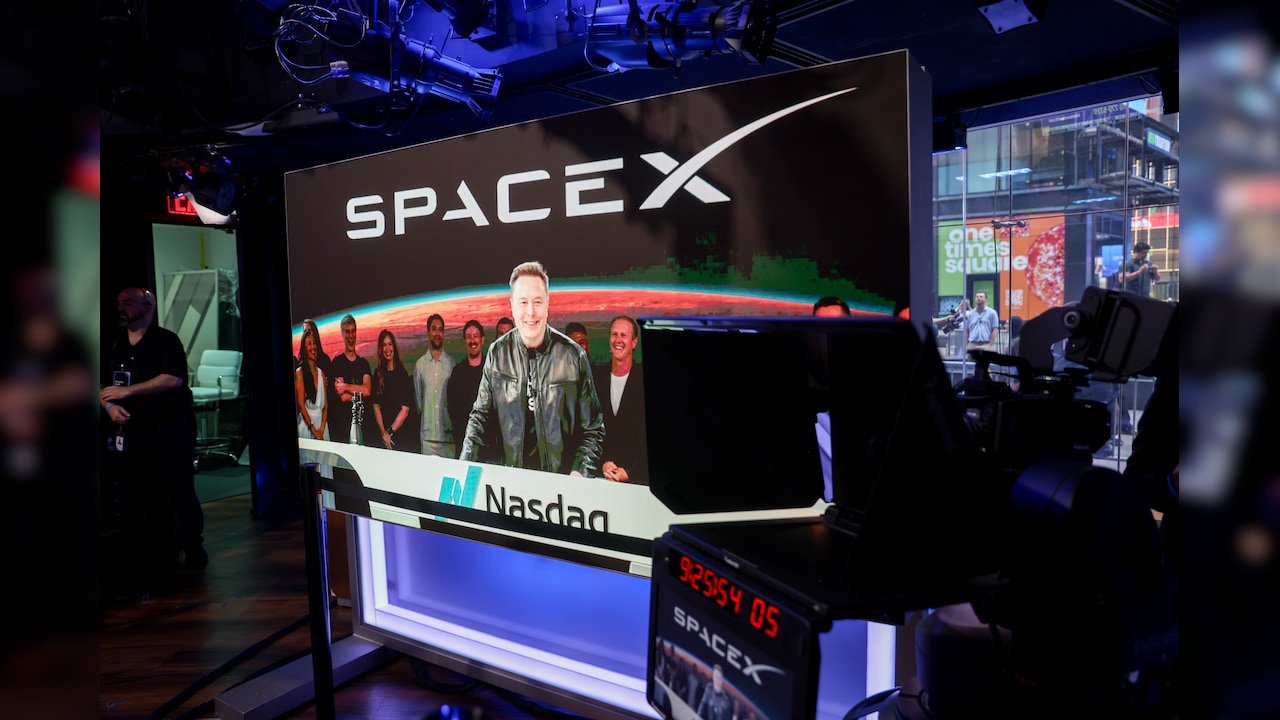
When SpaceX went public on June 11 with a staggering $75 billion capital raise, retail investors rushed to get a piece of the $1.8 trillion behemoth. The stock initially popped, hitting historic highs in its first few days of trading. Then reality hit. As extensively documented in recent coverage by The Economist, the implications are notable.
The stock took a 33% tumble from those peak post-IPO days, dragging shares down to a low of $132.15. According to data compiled by S3 Partners, short sellers capitalized heavily on this slide, locking in roughly $3.88 billion in unrealized gains.
This isn't just a minor blip. It is a fundamental shift in how the market prices speculative tech and aerospace ventures. Short sellers are stepping on the gas because they see structural vulnerabilities that the initial IPO hype masked. The primary catalyst driving the panic? A massive wave of newly available shares about to flood the market.
The Looming Lockup Expiry Panic
Right now, the public float of SpaceX shares is incredibly tight. Only about 5% of the company's 13 billion outstanding shares were allowed to trade freely during the initial launch. This artificial scarcity kept the price high, but that protection is expiring.
A massive lockup expiration is hitting early August, right around the company’s second-quarter earnings report. KeyBanc estimates that an additional 11% of the total share supply will unlock instantly, followed by predictable 4% tranches tied to performance milestones and third-quarter results.
Basic economics tells you what happens next. When a massive flood of shares hits a market with cooling demand, the price drops. Insiders, early employees, and venture funds who have been trapped in the stock for years will finally have the keys to the exit door. Short sellers are front-running this exact event, knowing that a tidal wave of selling pressure is virtually guaranteed.
Starship Delays and the Profitability Problem
The cracks aren't just technical or limited to stock mechanics. The underlying business model is facing intense scrutiny. A series of scrubbed and delayed Starship launches dampened investor enthusiasm at the worst possible moment. Starship is supposed to be the operational backbone of the company’s future commercial satellite business, but every delay extends the timeline for true commercial monetization.
A leaked financial report shook the market by indicating SpaceX might struggle to achieve consistent profitability until 2035, requiring tens of billions in annual outside funding to maintain its aggressive development cadence. For a market that has grown increasingly allergic to cash-burning tech enterprises, those numbers are terrifying. Starlink brings in solid revenue, but building interplanetary infrastructure requires a level of capital expenditure that traditional equity markets rarely tolerate without quick returns.
What to Do with Space Stocks Right Now
If you are holding shares or thinking about trading the space sector during this volatility, you need a clear execution strategy. Do not try to catch a falling knife while the short momentum is this high.
First, check your portfolio exposure to high-valuation aerospace companies. If you bought in during the post-IPO mania, look at the upcoming lockup dates in early August. Consider hedging your position using put options to protect against a deeper drop when the insider shares unlock.
Second, watch the short interest metrics closely. A $4 billion paper profit means short sellers are heavily extended. If SpaceX manages to pull off a flawless Starship launch or delivers a surprise profit beat in its upcoming earnings report, it could trigger a massive short squeeze. Be ready to buy back in only when the macro selling pressure from the lockup expiry clears out. The smartest move right now is sitting on your hands and waiting for the dust to settle.
SpaceX short seller data breakdown is a helpful breakdown by financial experts discussing the potential market impact of this historic aerospace IPO.