The cabin air tastes of stale aluminum and cold fear. Outside, the night is an absolute void, a thick black ocean pressing against the reinforced acrylic panes at thirty-eight thousand feet. Passengers do not look at each other. They look at the small, glowing seatbelt signs, or they stare straight ahead into the fabric back of the headrest in front of them, breathing shallowly.
In moments like these, distance collapses. The miles between earth and sky vanish, replaced by a singular, crushing reality: everyone on board is tethered to a handful of strangers sitting behind a locked steel-reinforced door.
We rarely think about that door until the wind screams. We rarely think about the human being sitting on the other side of it—the person with their hands on the yoke, scanning banks of flickering amber indicators, listening to the hollow whine of a dying turbine or the erratic heartbeat of a navigation system gone blind.
Then an old video resurfaces on the internet.
The Voice in the Cockpit That Refuses to Let Us Look Away
news, travel
The cabin air always smells like stale coffee, recycled oxygen, and the quiet, collective anxiety of two hundred strangers suspended thirty thousand feet above the earth. Outside, the night is a black ocean. Inside, the world is reduced to the rhythmic hum of engines and the pale green glow of flight deck instruments.
Then, a voice cuts through the static.
It is a voice that has been heard before, yet it strikes with the sudden force of a physical blow. ‘तुम्हें कौन बचाएगा?’ Who will save you?
In the high-stakes theater of modern aviation, where passengers surrender their lives to invisible systems and strangers behind locked cockpit doors, viral videos do not usually possess a soul. They are pixels, algorithms, fragments of panic or triumph clipped for quick consumption on glowing screens. But every so often, a piece of footage breaks through the noise because it taps into a primal, universal dread. It reminds us of the paper-thin wall between routine transit and total catastrophe.
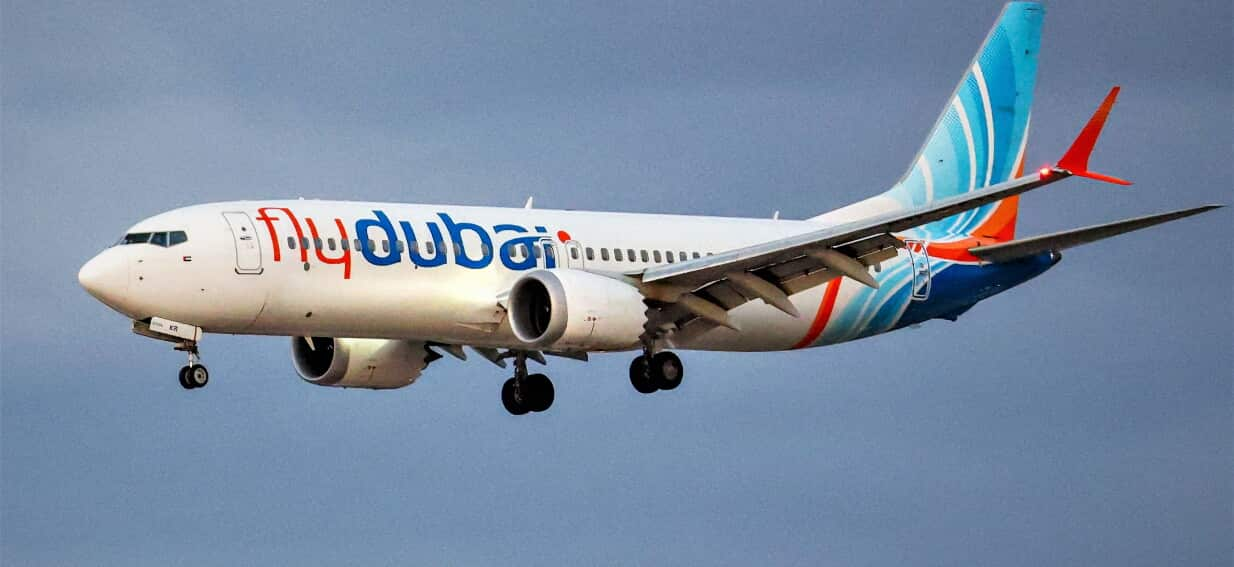
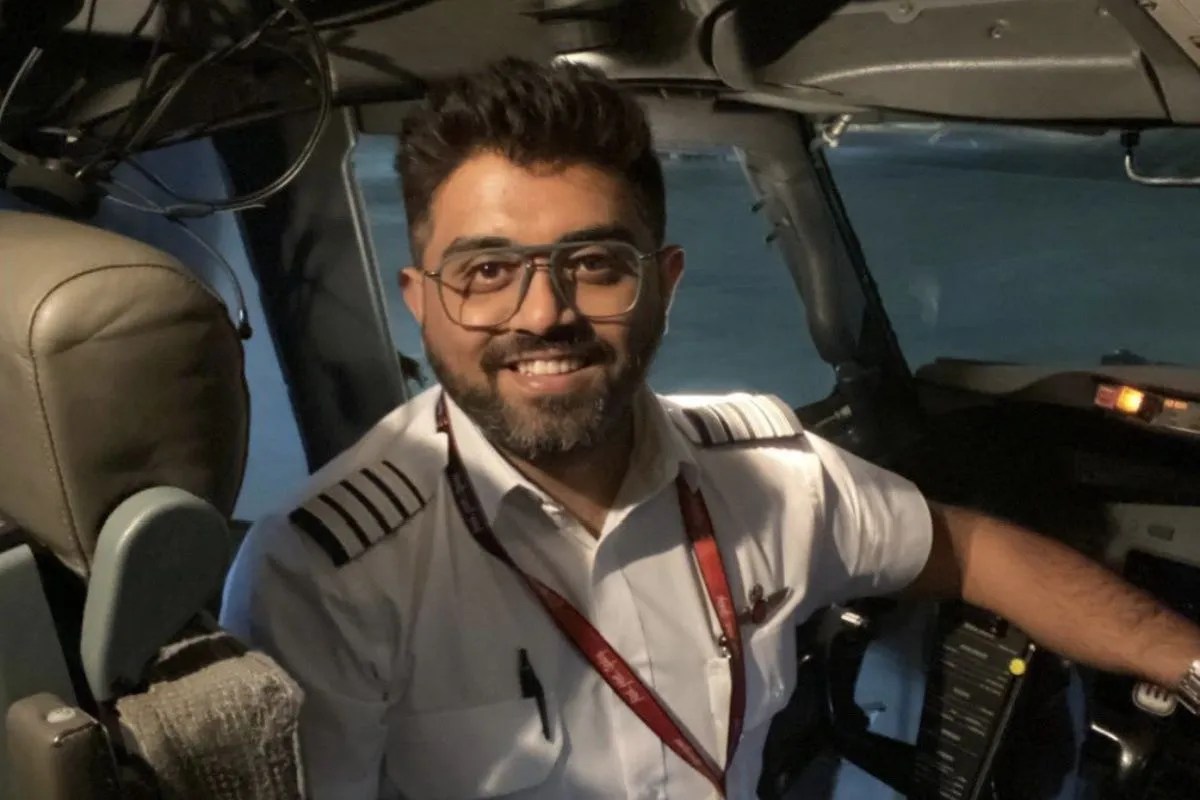
This is the strange resurrection of Captain Smith and the flydubai cockpit legacy. An old video surfaces, cycles through social media feeds, and suddenly millions of people are holding their breath all over again, watching a pilot command chaos with a chilling, surgical calm.
Let us step back into that cockpit.
Imagine the scene not as an action movie, but as an office space experiencing a sudden, catastrophic structural failure. Alarms blare—not the polite chimes of a text message, but the harsh, synthetic shrieks of a flight computer screaming that the parameters of safety have been violently breached. Warning lights flash like angry neon stabs in the dark. In that fraction of a second, the human brain is flooded with cortisol. Tunnel vision sets in.
Most people freeze. Panic is the default human setting when the floor drops out from under us.
Yet, captains trained in the crucible of commercial aviation are conditioned to do something unnatural. They quiet the noise. They filter out the shrieking metal and the flashing lights until only the physics remain. Altitude. Airspeed. Attitude.
When the footage of Captain Smith’s remarkable handling of a severe in-flight crisis began making the rounds again online, viewers weren't just watching a professional do his job. They were witnessing an existential masterclass in grace under fire. The viral resurgence wasn't driven by algorithmic luck alone; it struck a nerve because we live in an era where everyone feels like they are flying a plane in a storm with no prior training.
We crave competence. We yearn to know that when the engines stall, someone up front actually knows which way is up.
The aviation community talks endlessly about SOPs—Standard Operating Procedures. Checklists. Redundancies. If engine one fails, do this. If hydraulics bleed out, do that. But no manual in the world can write a protocol for the exact texture of fear that floods a pilot's chest when the weather turns hostile or mechanical ghosts in the machine demand an immediate, unscripted miracle.
That is the hidden cost of our modern mobility. We board aluminum tubes, plug in our headphones, and sleep through thunderstorms, completely outsourcing our survival to people whose faces we will never see. We treat flight like a bus ride. We forget that every safe landing is a minor victory against gravity, entropy, and human error.
When the video of Captain Smith’s cockpit heroics resurfaces, it serves as an abrupt, jarring reminder of that contract.
The phrase echoing through the commentary—‘तुम्हें कौन बचाएगा?’—carries a heavy, almost poetic weight. Who will save you? When the systems fail, when the air turns turbulent, when the ground rushes up to meet you at five hundred miles an hour, there is no corporate board, no customer service hotline, no app to download. There is only the person at the controls, drawing on ten thousand hours of muscle memory, split-second calculus, and a stubborn refusal to panic.
We live in a culture obsessed with heroes, yet we usually look for them in cinematic universes or political stages. We forget that the real-world heroes wear epaulets, sip cold coffee, and spend their lives managing boredom punctuated by moments of sheer terror.
Consider the psychological weight of that responsibility. A pilot doesn't just manage a machine; they carry the psychological load of every single soul sitting behind them in the dark. They carry the sleeping children, the nervous flyers gripping their armrests, the business travelers mentally drafting emails, the lovers holding hands.
When things go right, nobody notices. A smooth touchdown on a rain-slicked tarmac is greeted with the mundane unzipping of laptop bags and the shuffle of overhead bins. There is no applause. There is only the rush to get to baggage claim.
Only when things go wrong—only when the old footage goes viral, or the emergency lights cast long, frantic shadows across the flight deck—do we suddenly remember the invisible architecture holding our world together.
The internet will move on by tomorrow. The algorithm will feed us a new viral spectacle, a fresh catastrophe, a different face of triumph or tragedy. The video of Captain Smith will cycle back into the digital archives, waiting for the next slow news day or the next wave of collective anxiety to pull it back to the surface.
Yet, the question lingers in the air long after the screen goes dark.
Who will save you?
The answer isn't comforting, but it is true. Most of the time, nobody is coming. You have to save yourself. And if you are extraordinarily lucky, you are sitting behind someone who spent a lifetime learning how to do just that in the dark.