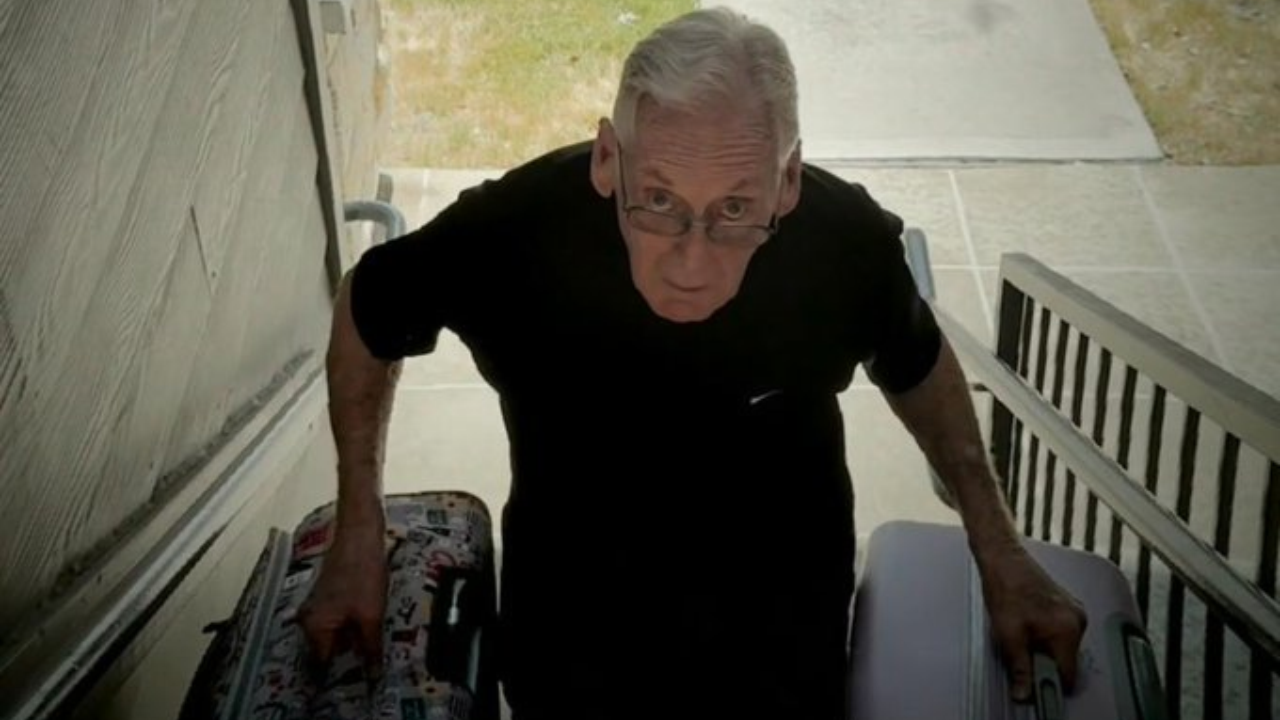
Internet outrage is a fickle thing. One day we are weeping over an 81-year-old grandfather lugging heavy bags up apartment steps to pay for his sick wife's medication. The next day we are finding out his own flesh and blood fabricated the emotional hook to milk the public for hundreds of thousands of dollars.
Don't look away from this mess. It tells you everything broken about how we distribute charity online right now.
When the story of Butch Marion breaking his back as a Walmart delivery driver first hit TikTok, millions rushed to his aid. It felt like a classic modern fairy tale. An elderly man working grueling hours because the system failed him. People wanted to fix it. They threw seven hundred thousand dollars at a GoFundMe campaign faster than you can say algorithm.
Then the curtain fell. Investigators and sharp-eyed internet sleuths discovered that the mastermind behind the viral push wasn't just a helpful neighbor. It was his daughter. She had posed as an unrelated angel living next door to tug at heartstrings and drive up donations.
People felt played. Anger replaced sympathy overnight.
Let's break down why this happened, why platforms keep dropping the ball, and how you can avoid getting scammed while still keeping your humanity intact.
The Psychology Behind the Grift
Why do people lie online for money? Because raw emotion converts better than dry facts.
If the daughter had posted an honest plea saying her aging father needed help with medical expenses, it might have pulled in a few thousand bucks from local friends and family. That is how traditional fundraising usually works. It crawls along.
TikTok doesn't care about crawling. TikTok loves a cinematic narrative.
By framing it as a stranger stumbling upon a forgotten elder, the creator tapped into a potent psychological trigger. We love the trope of the everyday hero. We want to believe that total strangers still care about each other in a cold world.
When you add a cute, weary old man to the mix, you have engineered the ultimate viral cocktail. The daughter understood the assignment. She just forgot the part where the truth always catches up to internet sleuths.
Platforms like GoFundMe process millions of transactions every single day. They cannot manually vet every sob story that catches fire on social media. They rely on reports, payment flags, and sheer luck. Fraudsters know this gap exists. They exploit it constantly.
The Fallout for Genuine People in Need
The real tragedy of this whole disaster isn't just that a bunch of gullible internet users lost their hard-earned cash to a misleading family dynamic.
The collateral damage hits every single person who is genuinely struggling right now.
When a high-profile fundraiser turns out to be deceptive, public trust evaporates. The next time a broke father posts a legitimate medical crisis online, people hesitate. They read the description twice. They look for hidden angles. They keep their credit cards in their wallets.
Skepticism kills charity.
You see this fatigue everywhere. GoFundMe and similar crowdfunding giants now face intense pressure to audit campaigns faster. Donors are demanding absolute transparency, receipts, hospital bills, and direct bank linkages before they cough up a dime.
That friction is exhausting. But honestly? It is entirely necessary.
If you want to give money online, you have to stop trusting vibes. Vibes are free. Accountability costs work.
How to Protect Your Wallet Without Becoming a Cynic
You do not have to stop helping people. You just have to stop being lazy with your generosity.
Stop reacting purely to viral videos that make you cry within thirty seconds. Algorithms are designed to bypass your logical brain and trigger an immediate emotional response. That is when you make bad financial choices.
Look for verification. Does a credible local news outlet back up the story? Are community members vouched for by established institutions? If a campaign relies entirely on a faceless TikTok account with zero footprint outside of the viral clip, hit pause.
Support local channels when you can. Pay off a neighbor's grocery bill directly. Drop food at a local shelter. Hand cash to someone you can look in the eye.
The digital age made giving frictionless, but it also made scamming effortless.
This 81-year-old driver story is a glaring warning sign. It reminds us that behind every viral tearjerker could be a clever marketing ploy engineered by someone looking for a shortcut. Keep your heart open, but keep your wallet locked until you know where the money is actually going.