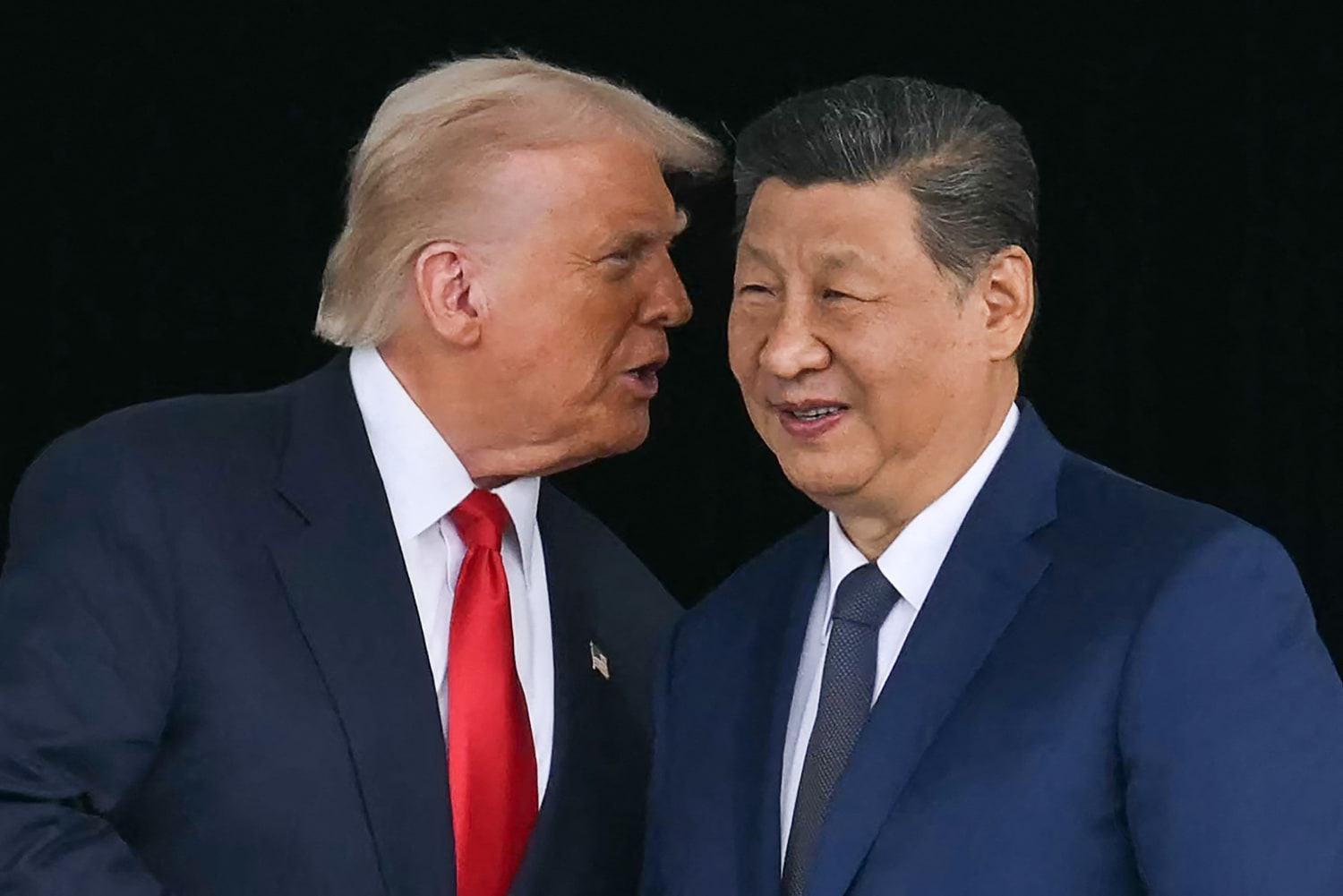
A White House state dinner is rarely about the food. Beneath the multi-course menus, the rented silver-gilt flatware, and the carefully calibrated seating charts lies a tightly wound instrument of executive power, designed to project absolute control while masking the friction of modern diplomacy.
When outsiders ask what it is like inside the historic residence during one of these high-stakes galas, they expect an unfiltered glimpse into an exclusive social club where world leaders let down their guard. Instead, veterans of Washington social mechanics recognize something far more calculated. Every movement, from the precise tilt of a crystal wine glass to the timing of the entry march, is choreographed months in advance by a domestic staff operating under military-grade scrutiny.
The Architecture of the Guest List
The seating chart is where the real work happens. Long before the first florist unloads a van of imported hydrangeas, senior aides spend weeks trading geopolitical chips over a single grid of tables in the East Room.
Every seat tells a story about who is currently in favor, who needs placating, and who is being sent a silent message. Placing a defiant CEO three seats down from an investigating committee chair is never an accident. It is an exercise in forced proximity, where political adversaries are compelled to smile through three courses of regionally sourced protein while flashbulbs pop around them.
The domestic staff treats the physical layout as an engineering challenge. The White House kitchen, remarkably compact for an operation of this magnitude, must turn out precisely plated courses for roughly one hundred and fifty guests without missing a beat. The rhythm resembles a Broadway production where the actors do not get a dress rehearsal.
The Illusion of Spontaneity
Outwardly, the evening flows with effortless grace. String quartets play softly in the foyer. Cabinet secretaries mingle with tech billionaires and foreign dignitaries, trading polite remarks about currency markets or regional security frameworks.
Look closer, however, and the rigid choreography becomes apparent. Secret Service personnel blend into the woodwork, their eyes tracking every subtle shift in posture. White House social aides—young staffers chosen for their poise and stamina—stand at attention near the exits, whispering updates into lapel mics.
The menu itself functions as a diplomatic document. When planners choose a Californian sparkling wine or a specific heritage grain, they are engaging in culinary diplomacy. Every ingredient is scrutinized to ensure it respects dietary restrictions while nodding gently to the visiting nation's cultural palate. Yet, despite the artisanal presentation, the meal is secondary to the transaction taking place across the linen-draped tables.
The Cost of Access
For those invited, attendance is both an ego boost and an obligation. The modern iteration of these gatherings rewards loyalty and financial backing, blurring the line between statecraft and donor management. Critics frequently point out that the guest list serves as an internal ledger for the administration in power, rewarding allies with a golden ticket to the executive mansion while freezing out independent voices.
When the final dessert plates are cleared and the president steps up to the mahogany podium for the evening's toasts, the atmosphere shifts from relaxed indulgence back to institutional theater. The jokes are vetted. The talking points are pre-released to the press pool waiting outside the gates.
The magic trick of the White House state dinner is its ability to make the most severe exercise of soft power look like a charming evening among friends. The crystal gleams, the wine flows, and the machinery of state hums smoothly beneath the floorboards, reminding everyone in attendance precisely who holds the keys to the room.