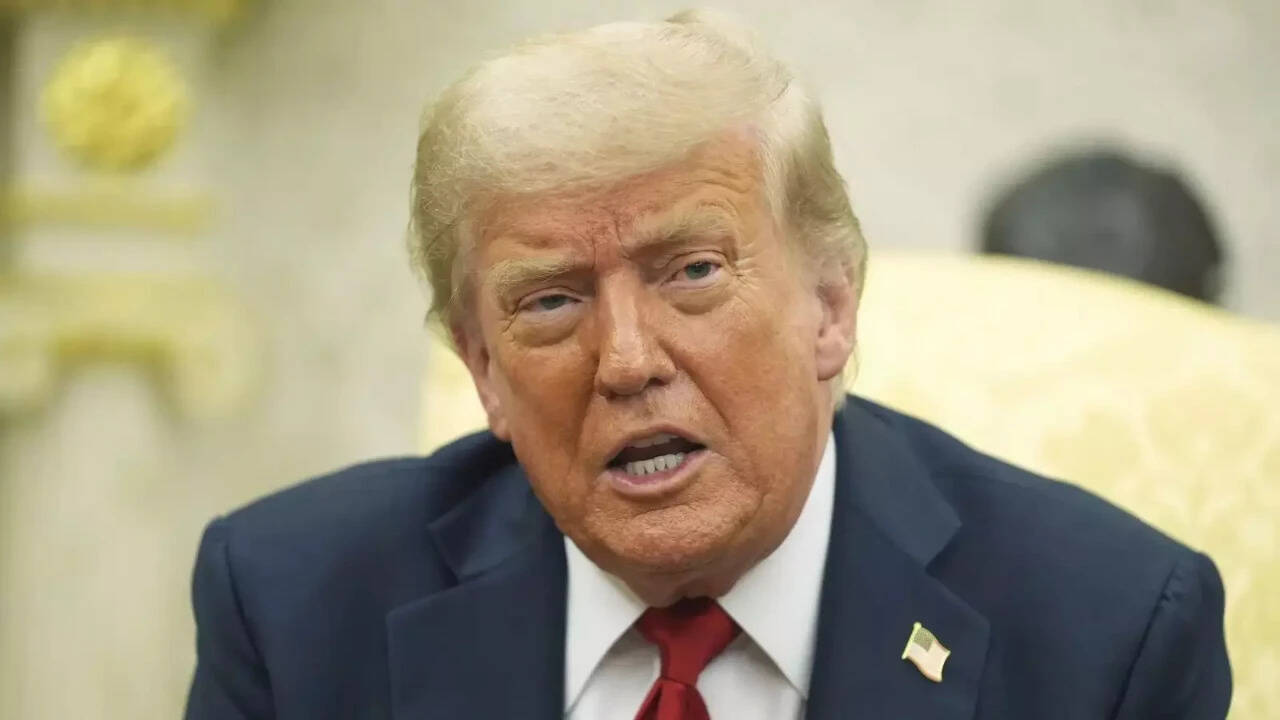
For decades, the mechanics of international statecraft operated on a quiet, predictable rhythm of diplomatic notes, clandestine backchannels, and multilateral treaties. Today, that architecture has been replaced by something far more blunt. When former and current political figures casually boast about acting as a sovereign nation's personal banker, they are not merely engaging in rhetorical grandstanding. They are describing a profound structural shift in how financial power is wielded on the global stage. Washington now sits atop tens of billions of dollars in frozen Iranian sovereign wealth, managing an economic chokehold that dictates whether a foreign government can pay its internal security forces, fund its imports, or sustain its currency.
The raw numbers tell a grim story of managed collapse. Inside Iran, inflation rates have surged past triple digits, the national currency has shed nearly all functional purchasing power, and state coffers have run so dry that regular military expenditures face acute shortfalls. This is not the byproduct of random market volatility. It is the calculated culmination of a multi-agency strategy spearheaded by the U.S. Treasury Department's Office of Foreign Assets Control, working in lockstep with sweeping trade restrictions and naval enforcement mechanisms. By locking up billions in petroleum revenues and sovereign reserves across foreign jurisdictions—ranging from regional escrow accounts to international financial nodes—the United States has institutionalized a system of fiscal immobilization. Expanding on this topic, you can also read: Why the Indian Embassy Vandalism in Slovenia Exposes a Dangerous Diplomatic Blind Spot.
Yet treating this scenario as a simple matter of executive bragging obscures the deeper geopolitical gamble. When a superpower assumes absolute control over an adversary's national reserves, it rewrites the rules of international banking trust. Every central bank holding capital within Western financial institutions is quietly taking notes. If sovereign wealth can be impounded, redirected, or held hostage as a tool of immediate military and diplomatic coercion, the incentive structure for holding reserves in dollars or utilizing Western-dominated settlement systems begins to fracture. Long-term systemic risk replaces short-term tactical victory.
The White House currently frames its approach around a stark binary choice for Tehran: accept terms under maximum economic pressure or face severe military escalation. Diplomatic channels operating through intermediaries in the Persian Gulf suggest that while nominal talks regarding critical maritime transit corridors like the Strait of Hormuz proceed in fits and starts, the underlying economic warfare remains unyielding. Treasury officials continue to target shadow banking networks, front companies spanning from Dubai to Singapore, and illicit currency converters designed to keep the Iranian regime liquid. Every time a clandestine hawala network or a shell corporation is dismantled, the noose tightens another notch, driving domestic dissent and economic paralysis to new heights. Experts at Al Jazeera have also weighed in on this trend.
This strategy of fiscal containment carries its own distinct operational hazards. Military analysts point out that prolonged high-intensity regional engagements strain American munitions stockpiles and weapon delivery systems, requiring frantic industrial mobilization to backfill high-end defense inventory. Furthermore, pushing an adversary into a corner with zero liquidity removes their incentive to compromise through conventional diplomatic channels. When a government faces existential economic suffocation, rational calculation often gives way to asymmetric retaliation, threatening regional shipping lanes, critical energy infrastructure, and allied security partners across the Middle East.
The claim of being Iran's banker is therefore less a title of honor than an admission of an unprecedented imperial burden. Washington has taken upon itself the responsibility of regulating every drop of blood in its adversary's economic body, deciding when to constrict the flow and when to loosen the tourniquet based on daily political calculations. As backroom negotiators attempt to hammer out fragile frameworks to stabilize regional trade and reopen critical shipping lanes, the underlying reality remains unchanged. The vault doors are locked, the key rests firmly inside the United States Treasury, and the entire global financial order is watching to see what happens when a superpower decides that banking and warfare are one and the same.
Not Our Money, Trump Defends Returning Iran's Frozen Assets
This video provides an in-depth look at the complex debate surrounding the fate of Iran's frozen assets and the broader implications for the global standing of the US dollar.