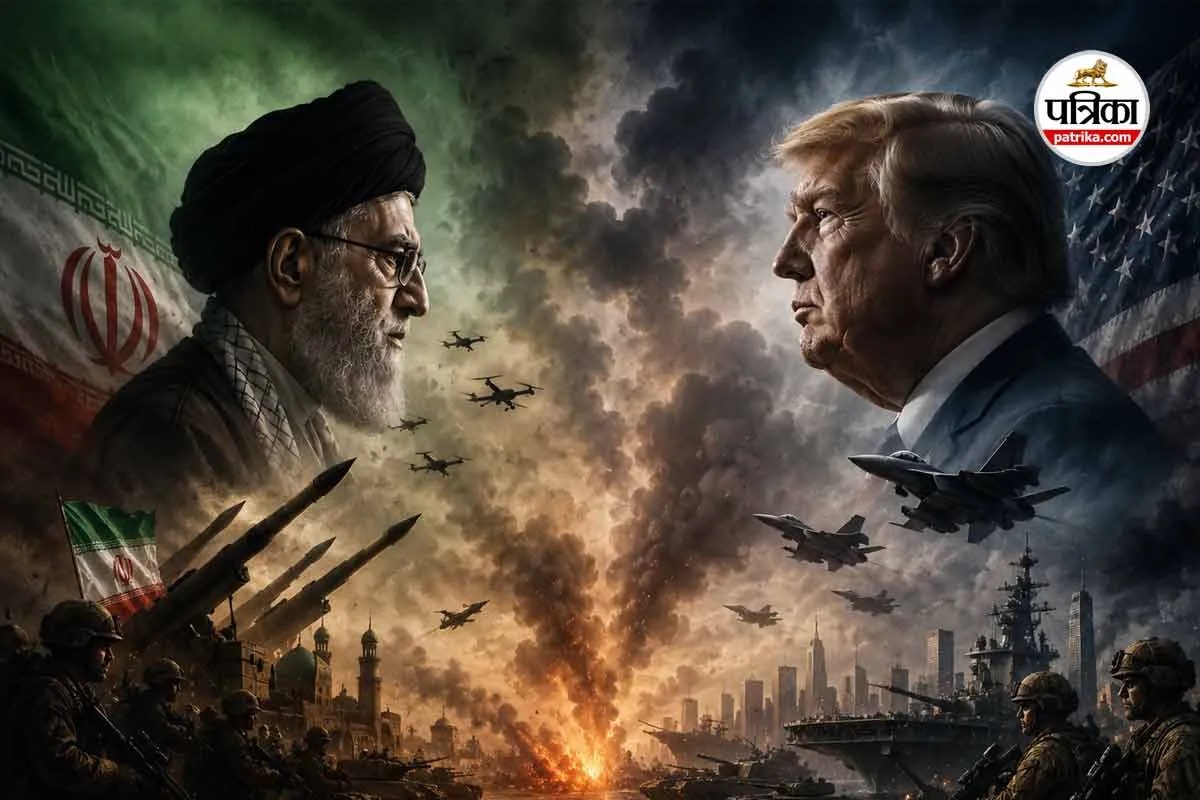
The red waters of the Red Sea aren't just shipping lanes anymore. They're a battlefield. When Tehran recently signaled that any American strike would face a retaliation without limits, it wasn't just diplomatic bluster. It was a direct warning that the shadow war is stepping into the light. If you think the conflict in Yemen is just a localized Houthi rebellion, you're missing the bigger picture. This crisis threatens to drag Washington and Tehran into a direct confrontation that neither side actually wants, yet both are stumbling toward.
For months, commercial shipping vessels have been dodging missiles off the coast of the Arabian Peninsula. Supply chains are breaking. Insurance rates for cargo ships have skyrocketed by hundreds of percents. Energy markets are twitching every time a drone hums across the horizon. Let's look at what's actually driving this escalation and why the stakes are higher than most headlines admit.
The Yemeni Proxy That Became a Strategic Nightmare
Washington spent years treating the Houthi movement as a regional nuisance tied exclusively to the brutal civil war in Yemen. That was a massive miscalculation. Today, those same fighters possess anti-ship ballistic missiles, precision drones, and surveillance capabilities that rival sovereign militaries. Where did they get that tech? Anyone paying attention knows the supply lines run straight back to the Islamic Revolutionary Guard Corps.
When US warships started intercepting inbound ordnance over the Bab el-Mandeb strait, the conflict officially evolved. You can't separate the Red Sea crisis from the broader US Iran standoff. Tehran uses its network of regional militias—from Lebanon to Iraq and down to Yemen—as a shield and a sword. By keeping the pressure high in maritime choke points, Iran exerts maximum leverage on Western economies without committing its own conventional navy to a suicidal fight.
"The rules of engagement in international waters are rewriting themselves in real-time, and deterrence is failing."
Why Tehran Warning of Boundless Retaliation Changes Everything
The recent threat issued by Iranian leadership about a limitless response isn't your average political speech. It's a strategic shift. Tehran is drawing a hard red line around its sovereign interests and its regional proxies. They are basically saying that if the Pentagon decides to take the fight directly onto Iranian soil or target high-value assets inside the country, the gloves come off.
What does a response without limits actually look like in practice?
- Asymmetric cyber attacks on critical Western infrastructure.
- Accelerated uranium enrichment pushing closer to weaponized thresholds.
- Coordinated swarm attacks on energy facilities across the Persian Gulf.
- Total disruption of oil tankers transiting the Strait of Hormuz.
This is why military planners in Washington are sweating. A localized campaign against missile launchers in the mountains of Yemen can trigger a massive regional firestorm in a heartbeat. You pull one thread, and the whole tapestry of Middle Eastern stability unravels.
The Economic Fallout Hitting Your Wallet Right Now
People sitting thousands of miles away from the Gulf think this is just foreign policy theater. It isn't. When cargo vessels are forced to circumnavigate the entire continent of Africa instead of taking the Suez Canal, delivery times stretch by weeks. Fuel costs surge. Every single consumer good manufactured overseas gets more expensive to ship.
Energy security is equally fragile. A significant percentage of the world's liquefied natural gas and crude oil flows through these exact regional bottlenecks. If things escalate into an all-out naval blockade or active combat zones, global inflation won't just tick up—it will spike violently. Markets hate uncertainty, and right now, the Middle East is overflowing with it.
Cutting Through the Diplomatic Theater
Behind closed doors, frantic back-channel talks are happening constantly through intermediaries like Oman and Qatar. Neither Washington nor Tehran wants a full-scale war. President Biden's administration wants to protect commerce and deter attacks without getting bogged down in another endless Middle Eastern quagmire. Meanwhile, Iranian leadership is dealing with severe domestic economic pressure and cannot afford a catastrophic conventional war with the US military.
Yet, miscalculation remains the greatest danger. All it takes is one errant missile hitting a populated destroyer, a massive casualty event on a US base, or a misread radar signal to trigger an irreversible retaliatory cycle. Deterrence only works when both sides believe the other is rational and predictable. In a crisis driven by proxy warfare and ideological posturing, predictability is a luxury nobody has.
Keep a close eye on the maritime patrols in the coming weeks. The line between a tense standoff and a hot war is paper thin, and the margin for error is shrinking by the day.