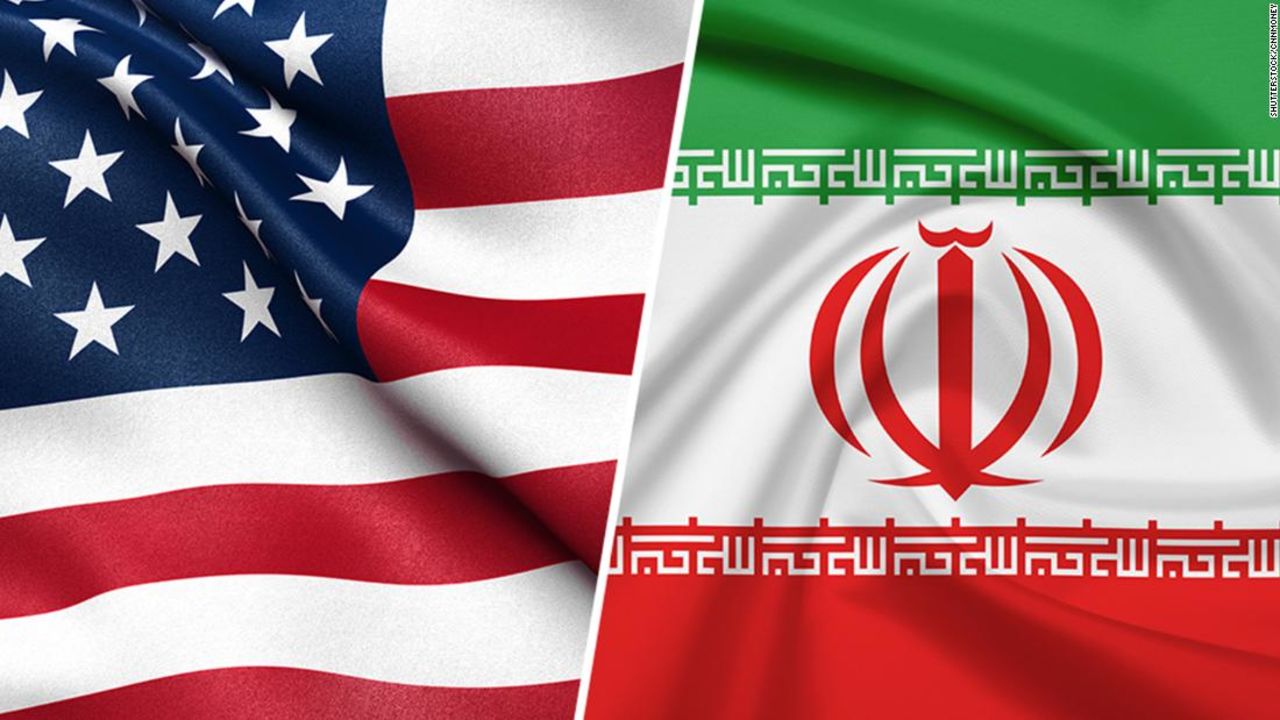
The current two-week ceasefire between the United States and Iran is hanging by a thread. While diplomats in Islamabad are busy trying to hammer out what Vice President JD Vance calls a "grand bargain," the reality on the ground feels far more like a tactical breather than a permanent resolution. If you’re looking for a sign that peace is actually here, you won’t find it in Jerusalem.
Israeli Prime Minister Benjamin Netanyahu made it clear this week that his military isn't packing up. He’s telling anyone who will listen that Israel is ready to resume the war at a moment's notice. It’s a jarring contrast to the optimism coming out of the White House, where Press Secretary Karoline Leavitt says the administration feels "good about the prospects of a deal." For an alternative perspective, see: this related article.
The Grand Bargain vs the Reality of War
The Trump administration is pushing a high-stakes proposal to end the six-week-old war that has already seen thousands of strikes across Iran. The "grand bargain" isn't just about a ceasefire; it’s a total overhaul of the regional status quo. Washington wants a 20-year suspension of Iran’s uranium enrichment, the total removal of enriched material, and most importantly for the global economy, the reopening of the Strait of Hormuz.
Since the US-Israeli offensive began on February 28, 2026, the Strait has been a choke point. One-fifth of the world’s crude oil is effectively stuck. While Wall Street is betting on a breakthrough—stocks hit records as oil prices dipped on the news of the talks—the military calculus is much grimmer. Further reporting on this matter has been shared by The New York Times.
Netanyahu’s checklist for a "deal" is incredibly steep:
- Removal of all enriched nuclear material from Iranian soil.
- Total elimination of enrichment capabilities inside Iran.
- Immediate, unconditional reopening of the Straits.
- Full dismantling of the infrastructure supporting regional proxies.
If those sounds like terms for an unconditional surrender, it’s because that’s exactly how the Israeli leadership sees it. Netanyahu isn't interested in a five-year freeze or another "kick the can down the road" agreement. He’s explicitly stated that the enriched material will leave Iran "either by agreement or by the resumption of fighting."
Why the Islamabad Talks Face an Uphill Battle
Pakistan has stepped into a massive role as the primary mediator, with a delegation currently in Tehran to set up a second round of high-level meetings. The first round, led by JD Vance and Steve Witkoff, established the temporary truce, but the "gaps" remain massive.
Iran’s Foreign Ministry is playing a difficult hand. They’re dealing with a decimated internal infrastructure and a weakened regime following the strikes that reportedly took out high-level leadership. They’ve proposed a five-year suspension of nuclear activity, but the US and Israel have already laughed that off.
The biggest sticking point isn't just the nuclear program; it’s the blockade. CENTCOM has effectively halted all economic trade entering or exiting Iran by sea. Iranian military leaders are now warning that if the blockade isn't lifted, it’s a "prelude" to violating the ceasefire. It’s a classic Mexican standoff. Iran won’t open the Strait without sanctions relief, and the US won't lift the blockade until the Strait is open and the nukes are gone.
The Economic Pressure Cooker
You can't ignore the global stakes here. IMF chief Kristalina Georgieva is warning of a global recession if this isn't resolved quickly. High oil prices are starting to bleed into food costs globally. This pressure is exactly why the Trump administration is so eager for a "win" in Islamabad. They need the oil flowing to keep the domestic economy from overheating.
But for Israel, the economy is secondary to the existential threat. Netanyahu’s position is that a bad deal is worse than a resumed war. He’s betting that the 40 days of combat have degraded Iran's missile launchers—estimated to be 60% destroyed—enough that the regime can't sustain a second round of heavy fighting.
The Risk of the Finger on the Trigger
Netanyahu’s rhetoric about having a "finger on the trigger" isn't just for his domestic base. It’s a signal to Washington. Israel is worried that the US might settle for "good enough" to get the oil flowing, leaving Israel to deal with a wounded but still nuclear-capable Iran.
The IDF has already demonstrated its reach during Operation Rising Lion, hitting over 4,000 targets and significantly damaging centrifuge plants. From the Israeli perspective, they have the momentum. Why stop now and let the regime rebuild?
If the talks in Islamabad fail this weekend, don't expect a slow fade back into conflict. Expect an immediate escalation. The US has already threatened a "full naval blockade," and Israel has its bombers fueled.
To stay ahead of this situation, watch the shipping insurance rates in the Persian Gulf. If those rates don't drop by Monday, it means the "optimism" in the White House hasn't reached the people actually moving the world's energy. You should also keep a close eye on the Pakistani mediators; if they leave Tehran without a firm date for a "Phase 2" negotiation, the ceasefire is effectively over. The window for diplomacy is closing, and the transition back to active combat could happen in a matter of hours, not days.