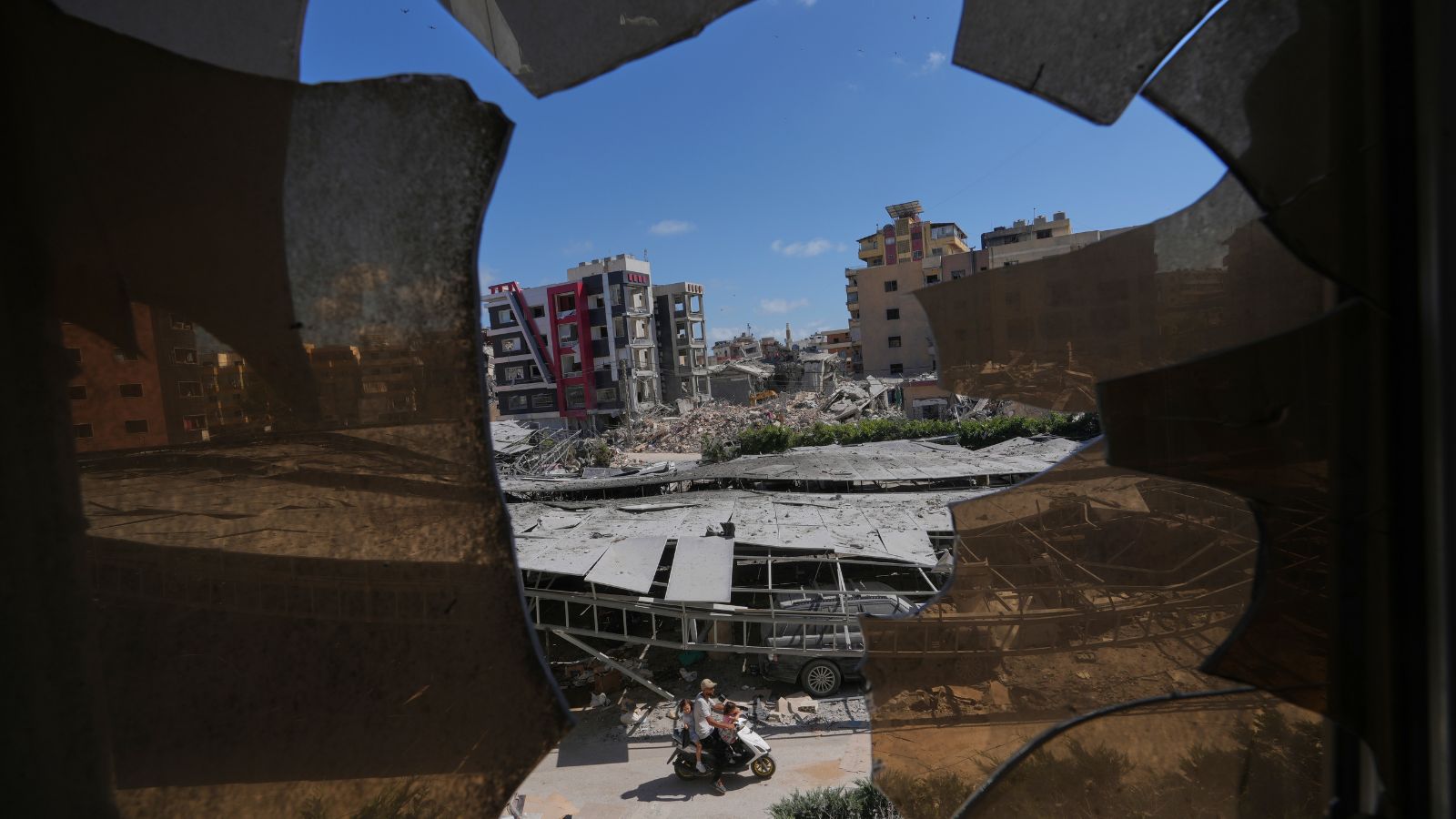
The inks barely dry on the new diplomatic pact between Washington and Tehran, but the reality on the ground is already tearing it to shreds. Early this morning, Israeli airstrikes pounded southern Lebanon, leaving at least 16 people dead in Nabatieh and surrounding towns. This surge in violence has thrown a massive wrench into the fragile peace process, forcing the immediate postponement of high-stakes follow-up talks in Switzerland.
If you thought a signature from Donald Trump and Iranian officials would instantly freeze the Middle East conflict, you missed the biggest wildcard in the equation. Israel isn't playing along. Prime Minister Benjamin Netanyahu is making it clear that Washington doesn't dictate Israeli security strategy, deal or no deal.
The Disconnect Between High Diplomacy and Ground Reality
While Donald Trump was dining with French President Emmanuel Macron at the Palace of Versailles to celebrate the initial agreement, Israeli jets were refueling. The memorandum of understanding signed on Wednesday called for an immediate halt to military operations on all fronts. That was supposed to include Lebanon, where Israel has been locked in a brutal campaign against Hezbollah.
Instead, the Lebanese National News Agency reported a catastrophic night of bombing. Residential areas were leveled. This isn't just a minor ceasefire violation. It's an outright rejection of the diplomatic framework by Israel. Netanyahu is facing immense political pressure at home with elections coming up later this year. He has openly refused to withdraw his troops, stating they will maintain a security zone in southern Lebanon until Hezbollah is entirely wiped out from the border.
This creates a massive contradiction. The US-Iran deal relies on the premise of regional calm. Yet the main US ally in the region is actively escalating the fight.
Why the Switzerland Talks Collapsed
The immediate casualty of these airstrikes was the planned meeting at the Bürgenstock resort in Switzerland. US Vice President JD Vance was scheduled to lead a delegation to hammer out the finer points of the agreement, including critical details regarding Iran's nuclear program and the downblending of enriched uranium.
That trip is off. The official word from the White House blamed logistical issues. The real reason is far more messy. Reports from regional outlets like Al-Mayadeen indicate that Iran delayed sending its delegation precisely because of the ongoing bombardment in Lebanon. Tehran isn't going to sit at a table in Switzerland while its primary regional proxy is being hammered in violation of an agreement signed just days ago.
The political fallout inside Washington is getting loud. JD Vance didn't mince words, publicly slamming Israeli officials who criticized the US-Iran deal. Vance noted that Trump is effectively the only global leader highly sympathetic to Israel right now, warning that defying the administration could carry steep costs. It's a rare, blunt public rift between Washington and Jerusalem.
The High Stakes of the Horn of Africa and Hormuz
While the northern front burns, other parts of the deal are actually moving. The US Central Command officially lifted its maritime blockade on Iranian ports and the strategic Strait of Hormuz on Thursday. Marine traffic data shows commercial ships are already crossing the waterway for the first time since April.
Under the temporary terms, Iran gets access to a $300 billion development fund and major sanctions relief. In exchange, they are supposed to halt their nuclear ambitions. But the whole architecture is unstable. If Israel continues to strike Lebanon, Hezbollah will keep firing rockets back into northern Israel. Hezbollah has already stated they won't accept a one-sided ceasefire, and their recent attacks have inflicted casualties on Israeli troops inside Lebanese territory.
If Hezbollah escalates, Iran gets dragged back in. If Iran gets dragged back in, the US sanctions snap back, the blockade returns, and the Versailles agreement becomes a historical footnote.
Watch the Red Lines
Don't look at the diplomatic statements coming out of Washington or Geneva. Watch the troop movements along the 10-kilometer line Israel has established inside southern Lebanon. If Israel pushes deeper toward Kfar Tebnit, the deal is dead. Keep a close eye on the August 17 deadline, which has been set for a final, permanent agreement between the US and Iran. If Netanyahu doesn't get pressured into a pullback before then, expect the Swiss negotiations to remain permanently frozen.