The fragile peace didn't even survive the summer. If you thought the tentative ceasefire signed in June was going to hold, the last 48 hours just shattered that illusion.
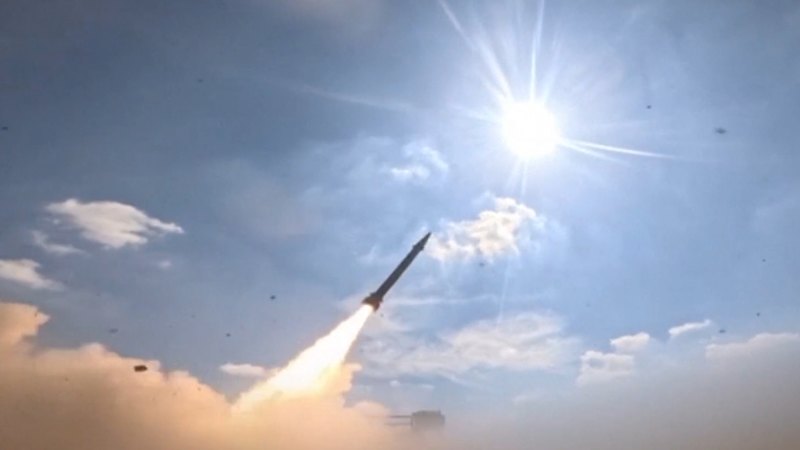
The United States has officially restarted its aggressive naval blockade of Iranian ports and launched its fourth consecutive night of heavy airstrikes against military targets inside Iran. We aren't looking at a minor border skirmish anymore. This is a rapidly escalating maritime war with massive implications for global energy markets, shipping insurance, and the risk of a wider regional conflict.
The truce is dead. Here's what's actually happening on the water right now, why the diplomatic path failed, and how this affects your wallet at the pump.
The Illusion of a 60-Day Peace
To understand why things collapsed so quickly, you have to look at the massive gray areas in the June memorandum of understanding. The temporary deal was supposed to give both sides a 60-day window to negotiate a permanent end to the war that began back in February. But the agreement left one critical detail completely unresolved: who actually controls the Strait of Hormuz?
Washington assumed the deal guaranteed the free, unhindered transit of all commercial vessels. Tehran, on the other hand, insisted it retained the sovereign right to manage, monitor, and approve traffic passing through its coastal waters.
When Iran began enforcing its own rules—demanding that tankers seek explicit permission and use approved Iranian channels—the friction started. Early last week, Iranian forces targeted three oil tankers, claiming the ships ignored warnings. For the White House, that was the final straw. President Trump formally notified Congress that the ceasefire was over, citing those tanker attacks as a direct breach of the June agreement.
Heavy Strikes and a High-Stakes Blockade
The military response has been swift and relentless. US Central Command (CENTCOM) deployed a massive force of over 20 warships and hundreds of military aircraft to enforce the newly reinstated blockade. The operational goal is straightforward: completely choke off Iran's ability to import goods or export its heavily hit oil supply.
Over the last four nights, US airstrikes have hit several key regions across southern Iran, including:
- Bandar Abbas: A vital port city and naval hub.
- Qeshm Island: Strategically positioned right at the narrowest point of the Strait of Hormuz.
- Bushehr: The coastal region that houses Iran’s only civilian nuclear power plant.
According to CENTCOM, these strikes have targeted coastal radar systems, air defense batteries, and drone launch sites to degrade Iran's capacity to threaten international shipping.
But Iran isn't sitting back. Its Revolutionary Guard launched retaliatory strikes against US allies in the region, firing missiles and drones at targets in Jordan, Kuwait, and Bahrain. Bahrain reported intercepting several aerial attacks near Manama, while Jordan's air defense intercepted three ballistic missiles that crossed into its airspace.
The Chaos Behind the Scenes: Tolls, Fees, and Backroom Deals
One of the strangest twists in this escalation came directly from the White House. On Monday, the administration floated a plan to impose a 20% "reimbursement fee" on all commercial cargo transiting the Strait of Hormuz to pay for the cost of US military protection.
The shipping industry immediately balked. Charging a 20% toll on global maritime trade would have thrown international commerce into absolute disarray, driving shipping insurance rates through the roof.
By Tuesday afternoon, the President backed down on the toll idea after phone calls from Gulf leaders. He claimed that "kings and emirs" offered a different route, promising billions of dollars in direct trade and investment deals into the United States instead. While the controversial transit fees are off the table for now, the strict naval blockade of Iranian ports went live anyway.
What This Means for the Global Economy
This isn't just a localized military conflict. It is an economic pressure point. Approximately 20% of the world's liquefied natural gas and petroleum flows directly through the Strait of Hormuz.
Because of the renewed fighting and the blockade, shipping traffic through the strait has plummeted to its lowest levels in months. Brent crude prices have already jumped 20%, hovering around $86 a barrel. If the blockade drags on and Iran continues to target civilian tankers in retaliation, those energy costs will filter down to consumers worldwide.
For businesses and investors, the immediate focus is on supply chain stability. If you rely on maritime trade or are heavily exposed to energy markets, you need to prepare for ongoing volatility.
- Expect higher shipping rates: Tanker operators are already rerouting or demanding massive risk premiums to transit the Persian Gulf.
- Watch Gulf investments: The promised investment deals from Gulf states to offset the US military presence will likely reshape defense and infrastructure sectors in the coming months.
- Monitor supply chain exposure: Ensure your logistics networks aren't overly reliant on routes that run through or near the Middle East.
The short-lived summer peace is officially over. With both Washington and Tehran locked into their positions, the maritime blockade is set to remain a volatile reality for the foreseeable future.