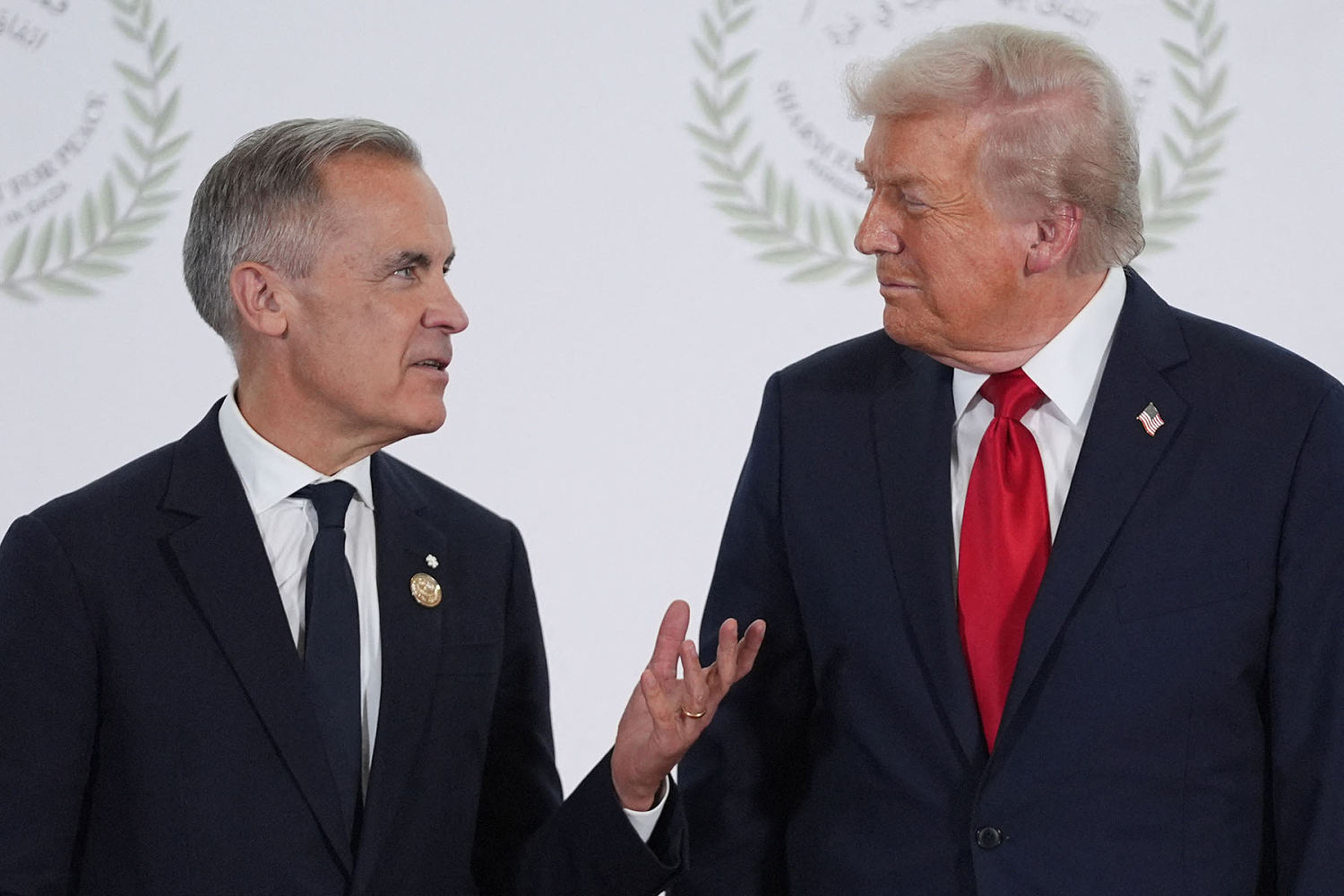
The economic border between the United States and Canada just turned into a wall. President Donald Trump escalated the ongoing trade dispute by announcing a complete ban on key Canadian imports, including dairy products, most alcoholic beverages, and motorcycles. This move arrived hot on the heels of Ottawa’s decision to launch retaliatory tariffs hitting roughly $20 billion in American goods.
Relations between these two neighbors are at their lowest point in decades. What started as standard protectionist posturing has rapidly snowballed into an aggressive economic conflict. If you run a cross-border supply chain or rely on North American trade, the old rules no longer apply.
The Retaliation Cycle Reaches a Breaking Point
Trade talks between Washington and Ottawa collapsed after weeks of failed negotiations. Following that breakdown, the White House slapped a 50% tariff on roughly $20 billion worth of Canadian goods. Prime Minister Mark Carney didn't back down. Instead, Canada answered with tariffs ranging from 15% to 50% on American steel, aluminum, cheese, and farm equipment.
Trump responded by tightening the screw. Beyond the upcoming import bans on dairy, alcohol, and motorcycles, the administration directed the U.S. General Services Administration to block Canadian products from major federal government contracts. He also targeted aerospace manufacturer Bombardier, threatening to halt the sale of its jets in the American market.
You're watching a tit-for-tat escalation where neither side is willing to blink first.
Why This Fight Hits Consumers and Businesses Now
Economic retaliation doesn't stay confined to spreadsheets. It shows up on supermarket shelves and factory floors.
When Canada targeted American appliances, cosmetics, and agricultural equipment with duties up to 50%, exporters in industrial states like Michigan and Ohio immediately felt the squeeze. At the same time, American bars, restaurants, and retailers importing Canadian spirits and dairy items face sudden supply disruptions and soaring costs ahead of the impending U.S. ban.
Supply chains are deeply integrated. Parts cross the border multiple times before a finished product rolls off an assembly line. Throwing heavy tariffs and outright bans into that mix creates instant friction, delays, and margin compression for businesses on both sides.
Canada Pivots Away From American Dependence
Ottawa views this economic hostility as a structural wake-up call. Prime Minister Carney has leaned heavily into a domestic resilience strategy, encouraging Canadians to boycott U.S. goods and shifting political messaging toward self-reliance.
More importantly, Canadian officials are actively exploring deeper economic ties with the European Union. For decades, relying on the U.S. market was the easiest path for Canadian exporters. That era is finished. Diversifying trade away from the United States is no longer just a political talking point—it's active policy.
What Businesses Must Do Right Now
If your operations depend on moving goods across the northern border, hope is not a strategy. You need to audit your inventory and supply chains immediately. Identify every component sourced from across the border and calculate your exposure to 50% tariff rates. Begin vetting alternative domestic suppliers or international vendors who can bypass North American trade bottlenecks. Keep cash reserves high because payment delays and price volatility are going to define the market for the foreseeable future.