The coffee was still warm in the paper cup when the rhythm of a normal Tuesday shattered.
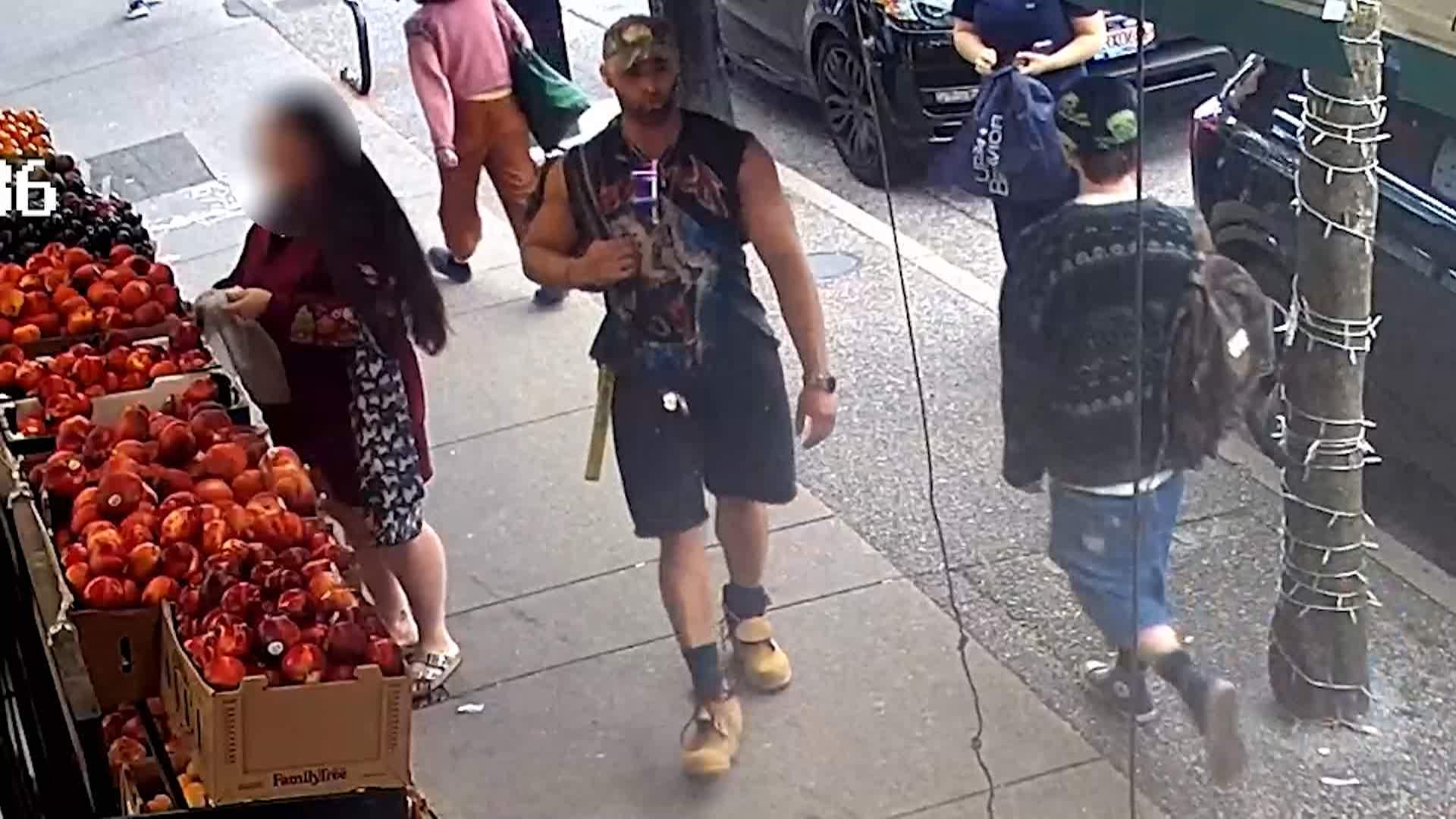
It happens in a fraction of a second. You are walking down a familiar stretch of Vancouver’s West End, the salt air drifting up from English Bay, thinking about a grocery list or a work deadline. The sidewalk is shared space, an unspoken contract of mutual indifference and basic safety. Then, the contract tears. A stranger closes the distance too fast. There is no argument, no history, no warning. Just the sudden, jarring impact of unprovoked violence.
When the Vancouver Police Department announced that a 34-year-old man had been charged and remained in custody following a random assault, the official report read like a thousand other press releases. It noted the time, the intersection, the rapid response of the officers, and the judicial interim release hearing. It was a neat package of administrative facts designed to project order.
But order is exactly what leaks out of a community when the pavement beneath your feet ceases to feel predictable.
The Anatomy of the Sudden Blur
To understand a stranger attack, you have to look past the court file and into the quiet aftermath of the scene.
Consider the immediate aftermath on a busy downtown corner. The sirens fade. A small crowd of onlookers disperses, their shoulders drawn inward, suddenly hyper-aware of anyone walking too closely behind them. The physical injuries from these encounters often heal within weeks—a bruised jaw, a torn jacket, a cut that requires a few stitches at St. Paul’s Hospital. The psychic bruising, however, settles deep into the neighborhood’s marrow.
Statistically, urban centers fight a constant battle with public safety perceptions. When random violence hits the news cycle, the standard institutional response is to point toward the metrics. Crime rates fluctuate; arrests are made; the system processes the individual. Yet, metrics fail to capture the invisible tax levied on everyday life.
It is the tax that forces an elderly resident to look twice before leaving their apartment building. It is the sudden decision to take a longer, busier route home, or to pull out earbuds while walking through a park. The real casualty of a stranger assault isn’t just the person who took the physical blow. It is the collective confidence of the city.
The Friction in the Machine
Our legal system operates on a linear timeline: offense, arrest, charge, custody. It is a machine built to handle actions after they occur.
[Incident Occurs] ➔ [Police Response] ➔ [Charges Laid] ➔ [Custody Hearing]
But the machine is under immense strain. The public often watches this process with a mix of exhaustion and skepticism. We hear terms like "remanded in custody" and wonder how long that status will hold, or what systemic failures allowed the flashpoint to happen in the first place. The tension between public safety and the complexities of the judicial system isn't a theoretical debate for academics. It plays out on the corner of Robson and Denman.
We want immediate answers. We want to know why.
The unsettling truth about random violence is that the answers are rarely satisfying. They are tangled in the messy realities of mental health crises, substance use policy, and a social safety net that has been fraying at the edges for decades. Acknowledging this complexity is uncomfortable. It is far easier to demand simple fixes, even when we know simple fixes are an illusion in a city navigating profound social friction.
The Long Road Back to the Concrete
A city doesn't recover from fear through increased policing alone, nor through the passive reading of court updates. It recovers when people refuse to cede the sidewalk.
Watch the neighborhood in the days following an incident. The initial shock gives way to a stubborn return to routine. The dog walkers come back out. The patio tables fill up. People look each other in the eye a little longer, checking in without speaking. This isn't a grand, cinematic triumph; it is a quiet, daily choice to inhabit the public realm without permission from fear.
The man remains in custody, waiting for his day in court, while the city moves through its paces. The broken glass is swept up. The buses keep running. The true resilience of a neighborhood isn't found in the absolute absence of danger, but in the deliberate, collective decision to keep walking forward, together, on a sidewalk that belongs to everyone.