Hating the United Nations is a bipartisan sport. Turn on the news during any global crisis and you'll spot the pattern.
Critics on the right call it a bloated, bureaucratic talking shop that wastes billions while pandering to dictators. Critics on the left point out its moral cowardice, noting how the Security Council stands paralyzed while humanitarian catastrophes unfold in plain sight. They are all right. Every single criticism holds weight.
Yet nobody has a better alternative.
If you scrapped the institution tomorrow, you'd have to invent it again by Friday afternoon. The messy reality of international relations is that we need a physical room where every nation on earth has to look each other in the eye, even when they want to launch missiles instead.
The Anatomy of Institutional Failure
Let's look past the diplomatic pleasantries and examine why the UN feels so profoundly dysfunctional.
The structural flaw sits right at the top. The UN Security Council features five permanent members—the United States, Russia, China,
Why the United Nations Is Broken and Why We Still Need It
news
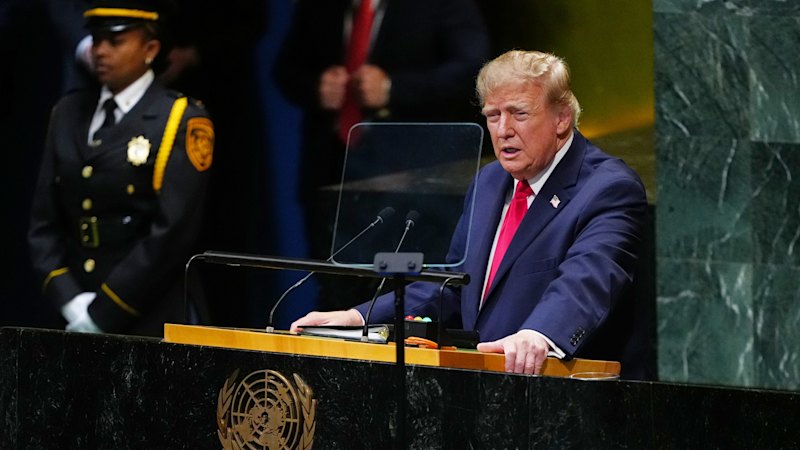
Everybody loves to hate the United Nations. You see the headlines after another paralyzed Security Council vote or watch footage of endless diplomatic speeches that amount to nothing, and you wonder why the building in New York hasn't been turned into luxury condos yet. The institution is bureaucratic, deeply flawed, and often structurally incapable of stopping the wars it was built to prevent. It's easy to look at global conflicts spinning out of control and write off the whole organization as an expensive talk shop.
Yet, walking away from the UN isn't an option.
When you strip away the grandstanding and the veto gridlocks, you find the underlying plumbing holding the modern international system together. Without it, things don't just stay the same—they fall apart much faster. You have to look past the institutional failures to see the daily operational necessity of keeping the world connected, fed, and legally anchored.
The Structural Rot Everyone Complains About
Let's be honest about the dysfunction. The UN Security Council features five permanent members holding veto power that was baked into the geopolitical reality of 1945. That setup makes swift action on major global crises nearly impossible when a superpower has skin in the game or backs an ally.
When genocide happens, or a sovereign nation gets invaded by a neighbor with a veto, the system stalls. You get sternly worded resolutions, emergency sessions that go nowhere, and diplomats issuing statements expressing deep concern while civilians pay the price.
Bureaucratic bloat is another constant headache. Try getting a straight answer out of a multi-tiered international secretariat about where millions of operational dollars went, and you will hit a wall of red tape. Member states play political games with funding, withholding dues to punish agencies they dislike, leaving vital humanitarian missions scrambling for cash month to month. It's messy, political, and frequently frustrating to watch.
What Actually Happens in the Background
If you only watch the dramatic speeches in the General Assembly, you miss the actual work that keeps millions alive. The World Food Programme feeds people in active conflict zones where no private logistics company or national government can or will go. The World Health Organization coordinates global responses to outbreaks before they turn into pandemics, managing surveillance networks across remote borders.
Look at international aviation. The International Civil Aviation Organization sets the standards that allow planes from different countries to land safely at foreign airports without operational chaos. Look at global shipping lanes overseen by the International Maritime Organization. These aren't flashy diplomatic triumphs; they are quiet, technical frameworks that make the global economy possible.
If you dissolved the UN tomorrow, global trade would stutter, refugee tracking would collapse, and international treaties governing everything from postal mail to telecommunications frequencies would lose their central clearinghouse.
The Diplomacy Dilemma
Critics often point out that the UN cannot enforce its own rules. That is true, but it misses the point of why the organization exists. It was never intended to be a global government with a standing army ready to impose peace everywhere. It was designed as a permanent venue where enemies could sit in the same room and talk even when their nations were proxy-fighting elsewhere.
During the Cold War, the UN prevented direct military escalation between superpowers simply by providing a pressure valve. Communication channels stayed open when trust hit absolute zero. That function remains just as critical today. When regional powers refuse to talk bilaterally, they can still posture, negotiate, and signal intentions through multilateral channels.
Navigating the Reality
You don't have to love the UN to recognize that abandoning it leaves a vacuum filled by raw power politics. Reform is desperately needed, particularly regarding Security Council representation to reflect modern economic and demographic realities rather than mid-century history. Nations from the Global South deserve permanent seats, and the veto power needs a serious overhaul to prevent chronic paralysis.
Pushing for structural reform requires engaging with the institution, not retreating into isolationism. Pay attention to specific agency operations, support targeted funding for humanitarian relief, and demand accountability from leadership without pretending that a world without global cooperation looks peaceful. The system is broken, but trying to fix it is infinitely safer than tearing it down.