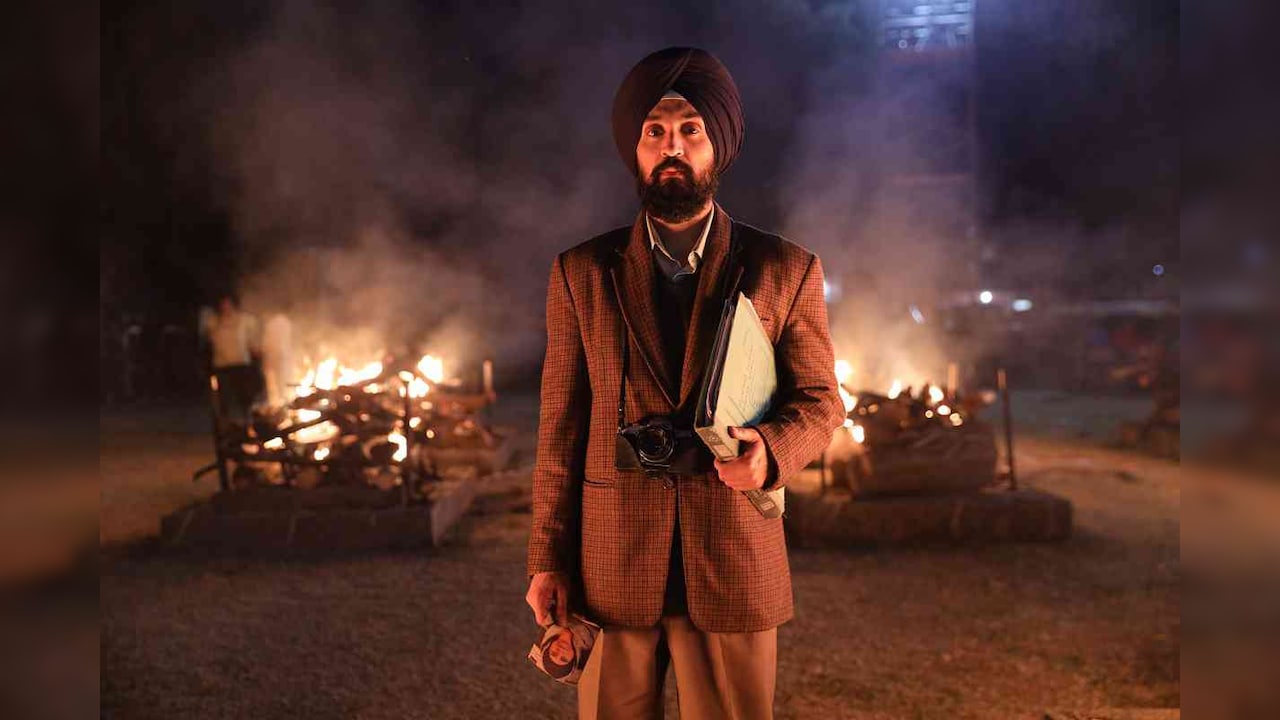
You make a movie about a conflict zone, and suddenly you are the enemy.
That is the harsh reality for independent filmmakers in India today. If your film touches on the complex realities of militarization, state conflict, or local insurgencies, the Central Board of Film Certification (CBFC) will likely bury it. They don't just ask for cuts anymore. They delay certificates indefinitely, demand absurd title changes, or simply refuse to let the film see the light of day. Recently making news lately: Why Disney's Live Action Moana Fails the Audience.
But filmmakers are tired of begging for permission. Instead of fighting endless, bank-breaking court battles against government censors, a quiet revolution is taking place. Directors are taking their films straight to the people. Through grassroots community screenings, private living room showcases, and independent cultural spaces, politically sensitive cinema is finding its audience without a single frame being chopped by a censor's scissors.
The Slow Suffocation of Indian Independent Cinema
Getting a film certified in India has become a bureaucratic nightmare. The CBFC, originally designed to certify films for public exhibition, increasingly acts as an active gatekeeper of political narratives. More information into this topic are explored by Variety.
If a story is set in Kashmir, Manipur, or the Naxal-affected forests of Chhattisgarh, it faces immediate scrutiny. Censors routinely flag anything that challenges the official state narrative. They worry about "law and order" or "harming national sovereignty." In practice, this means any nuanced portrayal of local grievances or the human cost of insurgency is effectively banned.
For big-budget studio films, this is a financial disaster. They have no choice but to comply, cutting scenes and altering dialogues to protect their investments. But for independent directors who scrape together micro-budgets through crowdfunding or personal savings, compliance feels like a betrayal of their art.
So they choose a different path.
How the Law Allows Filmmakers to Bypass Censors
Here is the legal loophole that makes this entire underground movement possible.
In India, you only need a CBFC certificate if you are screening a film commercially in a public theater or broadcasting it on television. Private screenings do not require a censor certificate.
This distinction is crucial. If you host a screening where admission is restricted to members of a specific club, invitation-only guests, or non-commercial community gatherings, you are legally in the clear.
Filmmakers are capitalizing on this distinction to build a parallel distribution ecosystem. They are turning community halls, college classrooms, art galleries, and even private terraces into temporary theaters. It is intimate. It is raw. And most importantly, it is completely outside the reach of government censors.
Inside the Grassroots Screening Network
This is not a centralized operation. It is a loose, highly decentralized network of activists, film clubs, and passionate cinephiles who organize these events entirely through word of mouth and encrypted messaging apps.
Typically, the process relies on a few key pillars.
Local Film Societies and Cultural Clubs
Across India, small film societies have quietly existed for decades. Today, they are experiencing a massive resurgence. Groups like the Bangalore Film Society, or informal student-led clubs in universities like JNU and Hyderabad Central University, regularly host screenings of uncertified documentaries and feature films. They do not advertise publicly on massive ticketing platforms. Instead, they rely on private mailing lists and closed WhatsApp groups to invite trusted audiences.
Apartment Terraces and Living Rooms
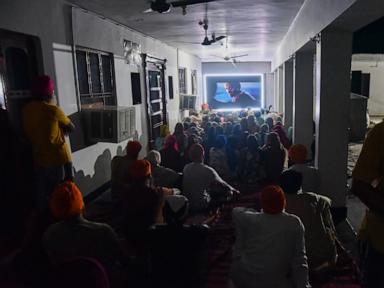
When public venues get skittish about political pressure, the screenings move into private homes. "Living room cinema" has become a vital outlet. A host invites twenty or thirty people, sets up a basic projector against a white wall, and plays the film. The director often joins via a video call for a raw, unfiltered Q&A session afterward. It turns a movie viewing into an act of community solidarity.
Traveling Projectionists
In rural or conflict-heavy regions, activists take films directly to the affected communities. Armed with just a laptop, a portable projector, and a bedsheet, they travel from village to village. For communities living through the realities of insurgency, seeing their own struggles reflected on screen is incredibly powerful. It bypasses not just the censors, but the entire urban, elitist distribution system.
The Real Risks of Going Underground
Do not mistake this for an easy escape. Bypassing the censor board comes with significant sacrifices and very real dangers.
- Zero Financial Returns: You cannot sell tickets to an uncertified screening without risking legal trouble. This means filmmakers rarely make their money back. They rely on voluntary donations, "pay what you want" models, or merchandise sales to cover their travel costs.
- Harassment and Intimidation: Even if private screenings are technically legal, local authorities often use other tactics to shut them down. Police might turn up citing noise complaints, fire safety violations, or vague "threats to public peace." Venues are frequently pressured by local political groups to cancel bookings at the last minute.
- The Streaming Dead End: Major streaming platforms like Netflix, Amazon Prime, and Disney+ Hotstar used to be a refuge for indie cinema. Not anymore. To avoid government regulatory backlash, these platforms now quietly demand CBFC certificates or self-censor their libraries aggressively. An uncertified film has almost zero chance of landing a major streaming deal in India.
How to Support and Access Independent Cinema Safely
If you want to watch these films or help support the filmmakers who risk everything to make them, you have to look beyond mainstream platforms.
First, seek out local, independent film clubs in your city. Stop looking at major ticketing apps and start following independent art spaces, alternative bookstores, and cultural centers on social media. They are the ones hosting these screenings.
Second, consider organizing your own private screening. Many independent filmmakers are more than happy to share digital screeners of their uncertified films if you can guarantee a private, safe audience of interested viewers. Reach out to directors directly on social media or through their production websites.
Finally, pay for the art. If you attend a community screening, contribute generously to the donation box. This money does not go to greedy corporate distributors. It goes directly into the pockets of the creators, funding their next project and keeping the spirit of uncensored, honest storytelling alive.