There is a specific kind of quiet that descends upon a stadium twenty minutes after fifty thousand people have gone home.
It smells like spilled beer, wet asphalt, and lingering body heat. The confetti clings to the damp grass like fallen petals. In the middle of that vast, hollowed-out concrete bowl, the road crew is already tearing down the scaffolding. Heavy metal bars clang against iron. Voices bounce off the empty upper tiers with an echo that sounds like loneliness.
Touring is not a romantic montage set to an upbeat acoustic track. It is a grueling, relentless migration. It is three in the morning in a fluorescent-lit green room, staring at a half-eaten plate of cold catering, wondering what city you woke up in today. When you pack people into tight metal buses and hurtle them across continents week after week, the friction isn't just physical. It's emotional. It builds like static electricity in a wool sweater until someone touches a doorknob and a spark flies.
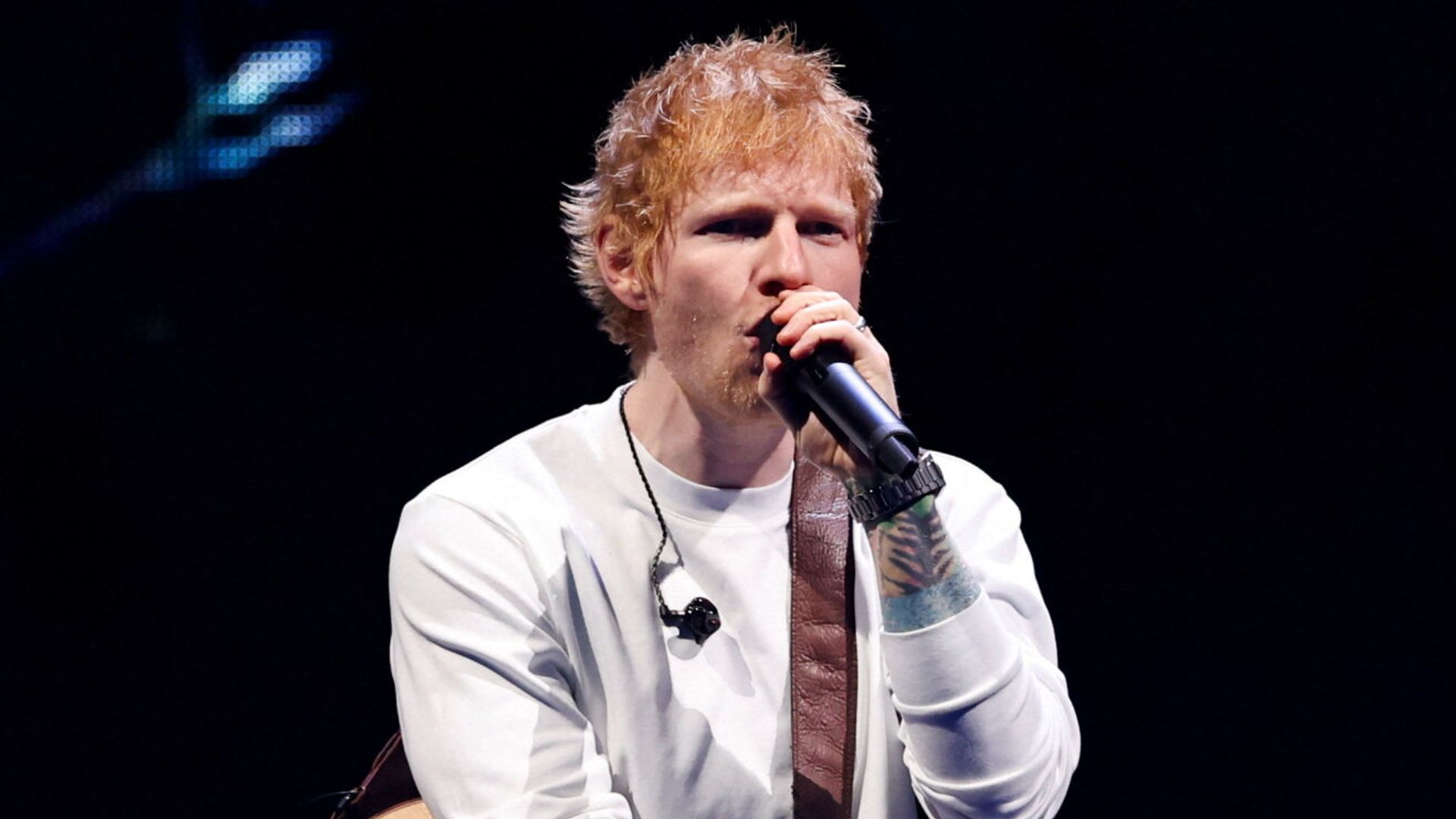
Ed Sheeran knows that static well.
For months, the rumor mill had been chewing on a peculiar narrative. Macklemore, the Seattle rapper whose anthems of struggle and triumph had previously filled arenas alongside Sheeran, was suddenly gone from the bill. No grand farewell statement. No tearful Instagram post hugging it out at the tour's edge. Just an abrupt vacancy where an opening act used to be, leaving fans squinting at ticket stubs and entertainment reporters sharpening their knives.
In the modern ecosystem of celebrity, an unexplained departure is a vacuum. And vacuums abhor silence. Twitter detectives immediately went to work, spinning conspiracy theories out of thin air. Was there a clash of egos backstage? Did a dressing room get trashed? Was this about creative differences, clashing musical ideologies, or a bitter financial dispute behind closed doors? The internet loves a feud because a feud is clean. It gives us sides to pick. It turns complex human relationships into a wrestling match.
Ed Sheeran, standing in the crosshairs of that speculation, had to choose how to answer.
He didn't release a stiff, corporate press release drafted by a team of publicists in Los Angeles. He didn't hide behind legal jargon or issue a passive-aggressive statement about "scheduling conflicts." Instead, he did something far more dangerous in the age of calculated image management: he spoke plainly.
The reality behind Macklemore’s departure wasn't a screaming match over pyrotechnics or a backstage turf war. It was something far more mundane, and yet, far more difficult to navigate. Life happened. Real life. The messy, unpredictable kind that doesn't care about stadium bookings or international itineraries. Macklemore had personal and familial priorities that demanded his immediate presence off the road. When you have children, when you have a life rooted somewhere outside of a tour bus, there comes a moment when the pull of home becomes gravitational. You can fight it for a while. Then you break.
And when you break, you have to leave.
Consider what it takes to admit that publicly. In the high-stakes theater of pop music, weakness is treated like a contagious disease. If you admit that touring is breaking your spirit, or that your friend had to leave because the road was swallowing him whole, you shatter the illusion of invincibility. Fans want superheroes. They want artists who are eternally plugged into a high-voltage socket, never tired, never homesick, never questioning the grand machine.
Sheeran shattered that illusion with a shrug and a straight answer. There was no bad blood. There was no icy silence between dressing rooms. There was just two musicians navigating the immense, grinding pressure of a global enterprise, recognizing that sometimes, the most punk rock thing you can do is walk away to take care of your family.
We often forget the sheer scale of modern stardom. We look at stadium tours as cultural celebrations, which they are. But for the people at the center of them, they are also industrial operations. They are complex ecosystems involving hundreds of crew members, millions of dollars in equipment, and logistical feats that rival military campaigns. When a key piece of that puzzle shifts—when an artist has to step off the stage and catch a flight home—the shockwaves ripple through the entire organization.
Yet, behind the spreadsheets and the ticket refunds, there are human beings.
Macklemore has never shied away from the messy parts of his own story. His career has been built on an almost radical transparency about addiction, relapse, fatherhood, and the dizzying disorientation of fame. Walking away from a massive tour isn't a failure of nerve; it is often an act of profound self-preservation. It is the realization that no amount of applause can substitute for reading a bedtime story to your kid in your own bed.
When Sheeran addressed the chatter, his tone wasn't defensive. It was protective. He insulated his friend from the cheap gossip of the tabloids, defusing the manufactured drama with a dose of ordinary truth.
Touring together is a bit like being trapped in a submarine with twenty of your closest friends for six months. You share the oxygen. You share the boredom. You share the triumphs of a fifty-thousand-person roar and the hollow silence of a rainy Tuesday in a mid-sized arena. Bonds forged in that crucible are intense. They don't dissolve just because a tour schedule gets rearranged.
The internet wanted a villain. It wanted a feud. It wanted a juicy headline about egos clashing backstage under the blinding lights.
Instead, it got a reminder of something much simpler: human limitation.
We live in a culture obsessed with endurance. We glorify the grind, the hustle, the endless touring cycle, the unbreakable momentum of success. We treat stopping as a moral failure. If you aren't moving forward, accelerating, conquering new territory, we assume you are falling behind.
But sometimes, the bravest note in a song is the rest.
The silence that follows a dropped beat. The pause between verses where the singer takes a ragged breath, looks out at the crowd, and remembers who they are when the microphone is turned off.
Macklemore went home. Sheeran stayed on the road, finishing what they started, carrying the weight of the production forward while holding space for his friend's absence. No drama. No PR spin. Just two artists dealing with the heavy, unglamorous reality of being alive in the public eye.
The stadium lights are off now. The road cases are loaded into the bellies of eighteen-wheelers rumbling down the highway toward the next city. The confetti has been swept away. What remains isn't a feud, or a scandal, or a cautionary tale about the dark side of fame.
It is just the quiet acknowledgment that beneath the pyrotechnics, the multi-platinum records, and the screaming headlines, the human heart remains stubbornly, beautifully fragile. And sometimes, the only way to survive the roar is to finally listen to the quiet.