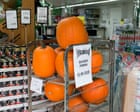
Walking down the supermarket aisle used to be a mindless chore. You grabbed your milk, tossed in some snacks, and tapped your card at the checkout without blinking. Today, you watch the screen like a hawk. Grocery bills have turned into a high-stakes guessing game, and shoppers across the UK are fighting back with every coupon, app, and discount code they can find.
When grocery price inflation starts creeping up again, panic buying isn't the response—deal hunting is. British households are completely changing how they fill their trolleys. If you aren't scanning a loyalty app or timing your trip around markdown schedules, you are essentially paying a penalty for staying loyal to a single store.
The Reality Behind the Rising Checkout Totals
Let's be honest about what is happening to household budgets. Even when headline inflation rates fluctuate, the cumulative impact of past price hikes leaves a permanent mark on your weekly shop. You notice it immediately on staples like dairy, fresh produce, and household essentials. Packaged treats and luxury items are the first things to get dropped from the basket unless a heavy markdown flashes red on the shelf.
Supermarkets know you are feeling the pinch. That is why promotional spending by major grocers shifts constantly to capture your attention. Retailers throw millions at short-term promotions, seasonal price cuts on items like Halloween pumpkins, or temporary rollbacks on chocolate and confectionery to draw foot traffic through their sliding doors.
Why the Loyalty Card Trap Works Too Well
You can't talk about modern grocery shopping without addressing the digital arms race of loyalty apps. Tesco Clubcard and Sainsbury's Nectar prices have become standard operating procedure. Discount retailers like Lidl Plus and app-based ecosystems keep millions of users hooked with real-time digital tracking and personalized vouchers.
Here is the controversial part: shopping without a loyalty card feels like a financial penalty. Stores list regular prices that sit artificially high, forcing you to scan your app to get the actual market rate. It is clever psychology wrapped in a digital rewards package. You hand over your shopping habits and data in exchange for avoiding inflated baseline prices.
Data from market analysts shows that discounters like Lidl and Aldi continue capturing market share because consumers want predictable value without jumping through hoops. When shoppers defect from traditional big-four supermarkets, it sends a clear signal that gimmicks only go so far when basic groceries cost a fortune.
Smart Strategies to Beat the System
If you want to keep your grocery spending under control, stop shopping on autopilot. You need a tactical approach to survive the current pricing climate.
- Split your basket: Don't buy everything at one store. Bulk basics at discounters while grabbing specific loyalty offers where they actually save you money.
- Embrace own-label products: Supermarket brand items match name brands in quality nearly every single time, yet they cost a fraction of the price.
- Time your markdown runs: Learn when your local supermarket slashes prices on fresh items nearing their sell-by date. Freezers exist for a reason—stock up and save.
- Audit your apps: Keep store apps downloaded only if you actually use them. Don't let retail notifications manipulate you into buying things you don't need just because a digital coupon is flashing.
The grocery landscape isn't going to get cheaper overnight. Until things stabilize, mastering the art of the deal isn't just a clever hack—it's survival.