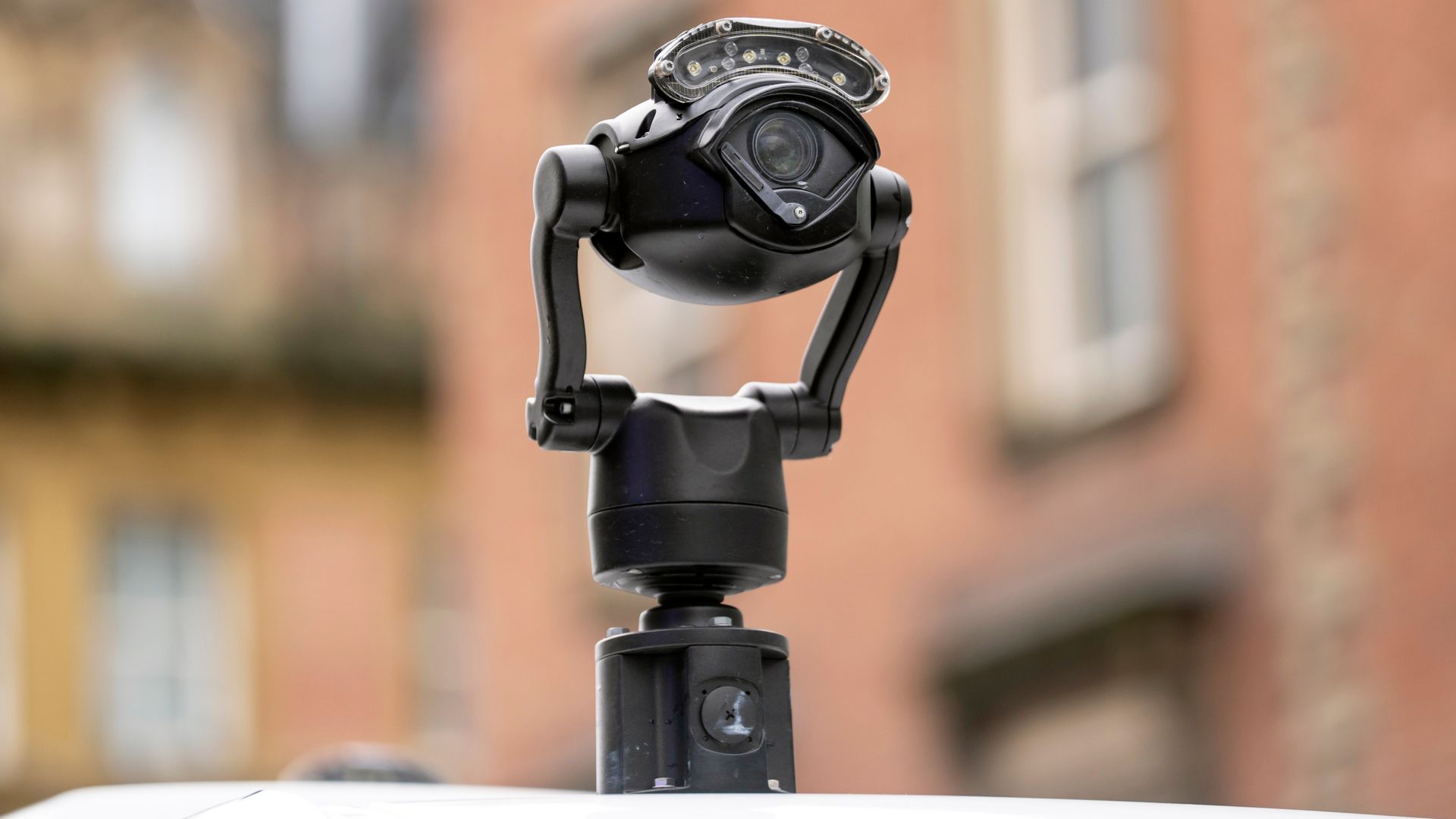
The legal green light for facial recognition in Britain isn't just another tech update. It's a fundamental change in how the public exists in physical spaces. Following the failed human rights challenge against the South Wales Police, the path is now clear for a nationwide rollout that will change your anonymity forever. You've likely seen the cameras. You might've even walked past a police van with a scanner on top without thinking twice. But the court's decision means those trials are over. This is the new reality.
The core of the issue sits right at the intersection of public safety and personal liberty. Law enforcement argues these tools are indispensable for catching violent offenders and finding missing people. Civil liberties groups argue the opposite. They see a slow slide into a surveillance state where your face is a permanent tracking chip. The recent legal battles didn't just uphold a specific police tactic; they set a precedent that will echo through every high street in the country.
Why the Human Rights Challenge Fell Flat
The legal pushback against facial recognition relied heavily on the idea that scanning thousands of innocent people to find one suspect is "disproportionate." Liberty and other advocacy groups brought cases forward, hoping the courts would see this as a breach of Article 8 of the Human Rights Act—the right to privacy. They lost.
The courts essentially decided that the police have enough safeguards in place to make the intrusion "lawful." Judges looked at the current "Watchlist" system and decided it's targeted enough to pass muster. If you aren't on a specific list of wanted criminals or vulnerable people, the software supposedly deletes your biometric data instantly. To the legal mind, that temporary "blink" of data processing doesn't constitute a massive privacy violation.
But here's what many people miss. The definition of "proportionate" is incredibly flexible. Right now, it might mean scanning for murderers. Tomorrow, it could mean scanning for people with unpaid fines or those attending a protest that the government deems "disruptive." Once the infrastructure is legalized and installed, the mission creep starts. It's not a matter of if, but when.
The Tech Behind the Scanners
How does this actually work when you're walking down the street? It's not like the movies. There aren't glowing red squares appearing over everyone’s head in real-time on a giant wall of monitors. Usually, the police use Live Facial Recognition (LFR).
LFR cameras map the geometry of your face. They measure the distance between your eyes, the shape of your jawline, and the width of your nose. This creates a "faceprint." The software then compares that print against a digital watchlist. If there's a match, an officer nearby gets an alert on a handheld device. They then decide whether to stop you.
- Watchlists: These aren't just "most wanted" lists. They can include people with outstanding warrants, individuals missing from care, or people suspected of crimes who haven't been charged yet.
- The False Positive Problem: No tech is perfect. In early trials, the error rates were high. While the Home Office claims the tech has improved, independent studies—like those from the University of Essex—have frequently pointed out that the systems still struggle with accuracy, particularly with women and people of color.
- Data Deletion: The police claim that if you aren't a match, your data is wiped "within milliseconds." You have to trust the software and the people running it.
Policing and the Efficiency Trap
The UK is already one of the most surveilled nations on earth. We have more CCTV cameras per capita than almost anywhere else. Adding facial recognition is the logical next step for a police force that's underfunded and overstretched.
I’ve talked to officers who see this as a "force multiplier." If one camera can do the work of fifty officers patrolling a stadium, the math makes sense to a bean counter in Whitehall. It's about efficiency. But policing isn't just about catching people; it's about the consent of the public. When people feel like they're being watched by an invisible eye every time they buy a pint of milk, that consent starts to erode.
The Metropolitan Police and South Wales Police have been the pioneers here. They've used it at football matches, concerts, and even just busy shopping days in London’s West End. They point to the "arrests made" as proof of success. What they don't talk about as much is the chilling effect. People stay away from protests. They cover their faces. They change their behavior because they know they're being logged.
The Coming Private Sector Expansion
Don't think this is just about the police. The legal victory for the cops gives a massive confidence boost to private companies. Retailers are already experimenting with facial recognition to "identify known shoplifters."
Imagine walking into a supermarket and being flagged because you once had a dispute with a manager in a different branch. Or being denied entry to a mall because an algorithm thinks you look like someone who caused trouble last year. There's way less oversight in the private sector. While the police have to follow strict (though debatable) codes of conduct, private security firms often operate in a grey area.
If the government won't stop the police from using it, they're unlikely to stop Tesco or Mike Ashley’s retail empire from doing the same. We're looking at a future where your face is your ID card, your credit score, and your criminal record all rolled into one, scanned by every door you walk through.
How to Exist in the Age of Recognition
You can't really opt out. That's the harshest truth of this rollout. Unlike a website where you can decline cookies, you can't "decline" a camera mounted on a lamppost.
There are "privacy-conscious" clothing brands out there making hats and glasses designed to confuse the sensors. Some people use heavy makeup or "adversarial patches." Honestly? Most of that doesn't work against the high-end gear the UK is deploying. These systems are getting better at identifying people even with masks or sunglasses.
The real fight isn't in what you wear; it's in the policy.
- Know your rights: If you're stopped by police because of a facial recognition match, you have the right to ask for the basis of that match.
- Watch the watchlists: Groups like Big Brother Watch are constantly monitoring how these lists are compiled. Support them.
- Local activism: Some councils are considering bans on the use of this tech in their specific jurisdictions. This is where the most effective pushback happens.
The rollout is happening. The court cases have largely been settled in favor of the state. Now, it’s a matter of how wide the net is cast. Pay attention to the signs. Literally. Police are legally required to post signs in areas where live facial recognition is active. If you see one, you're in the zone. What you do with that information is up to you, but "not knowing" is no longer an excuse.
Check your local police force’s website for their "Live Facial Recognition" policy. See which watchlists they use. Ask your MP where they stand on the expansion of these powers to private retail spaces. The tech is here, but the rules of engagement are still being written by the people who show up to complain.