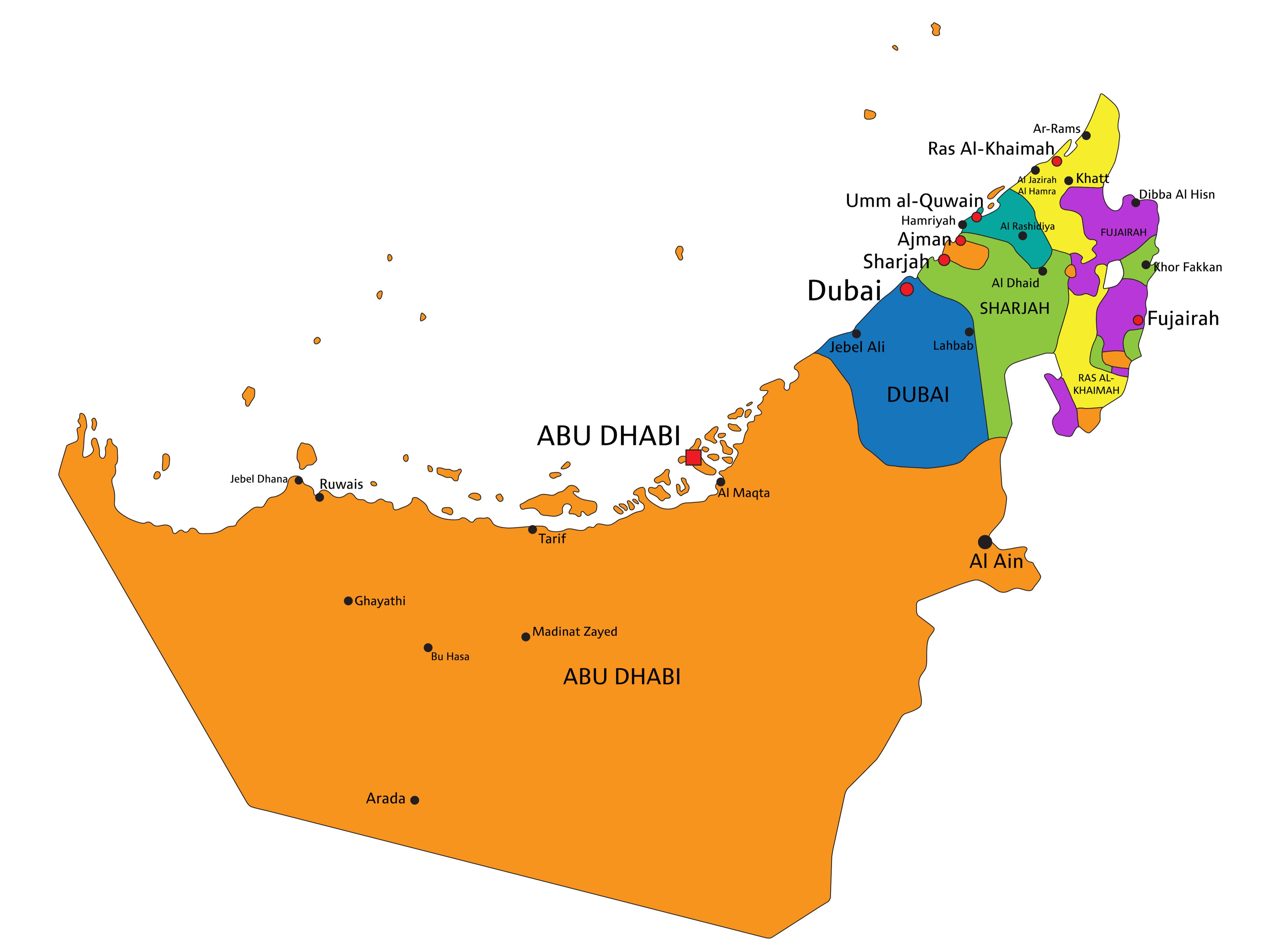
When the UAE National Guard pulls twenty-two souls off a blazing oil tanker in the Arabian Gulf, the headlines cheer the heroism. They should. Snatching a crew from a steel hull cooking in thousands of gallons of burning bunker fuel requires a terrifying brand of cold-blooded competence.
Yet the standard coverage misses the plot entirely.
The media treats the incident as a feel-good maritime rescue story or a localized shipping mishap. It is neither. It is a terrifying symptom of systemic complacency across the most critical commercial choke point on planet Earth. We praise the paramedics at the finish line while ignoring the arsonist running unchecked in the workshop.
Maritime safety boards love to blame individual human error or freak mechanical failures when an offshore vessel goes up in smoke. I have spent two decades analyzing the economics and operational realities of crude transport through the Strait of Hormuz and the broader Gulf. The truth is much uglier. We have engineered a global supply chain that treats vessel maintenance, crew fatigue, and aging tonnage as acceptable collateral damage until a fireball lights up the night sky.
The Myth of the Unsinkable Tanker Fleet
Every time a tanker catches fire, armchair maritime experts point to modern double-hull engineering and sophisticated fire-suppression systems as proof that our fleets are safer than ever.
They are living in a fairy tale.
A double hull stops a collision from spilling crude into the ocean. It does diddly-squat against a Class B fuel fire fueled by ruptured bunker lines and high-pressure pumps. When an engine room flashes over on a Very Large Crude Carrier, automated CO2 systems are only as good as the exhausted, underpaid crew maintaining them.
The economic pressure on ship operators has reached a boiling point. To squeeze out fractional margins in a hyper-competitive freight market, operators push maintenance cycles past safe thresholds. They cut corners on electrical insulation checks. They run skeleton crews where three men do the work of eight, leading to catastrophic cognitive fatigue.
When you combine pressurized petroleum, hyper-lean staffing, and corrosive salt-air environments, an oil tanker is not a transport vessel. It is a floating bomb waiting for a loose wire or a stuck valve.
Why Standard Safety Protocols Are Failing
If you read the official post-incident reports for major maritime fires over the past decade, you will notice a depressing copy-paste template. Investigators blame weather conditions, minor mechanical breakdowns, or vague procedural lapses.
This is institutional cowardice.
The real culprit is a regulatory framework dominated by flag states of convenience. When a multi-million-ton tanker is registered in a jurisdiction with lax oversight and minimal inspection enforcement, safety becomes a suggestion rather than a mandate. Port state controls catch the obvious violations—rusty guardrails, expired safety gear certificates—while missing the systemic rot deep inside the fuel injection systems and electrical switchboards.
Furthermore, regional emergency response frameworks are built for peacetime contingencies, not high-stress asymmetric environments. The UAE National Guard and coast guard units across the Gulf do heroic work filling the gap, but they should not have to act as the primary safety net for negligent shipowners who register aging rustbuckets just to shave pennies off their operating costs.
The Real Cost of Looking Away
We treat maritime disasters as isolated aberrations because confronting the alternative requires admitting that global trade runs on reckless endangerment.
Every barrel of oil moved through the Arabian Gulf carries an unpriced risk factor. When insurance underwriters price maritime risk, they bake in the inevitability of hull losses and crew casualties, passing those billions down to consumers at the pump. We have normalized a system where human lives on the water are treated as cheap expendable insurance line items.
The rescue of those twenty-two crew members in the Arabian Gulf is a testament to elite military and maritime coordination. But let us stop pretending it validates our current safety paradigms.
Until port authorities start blacklisting operators who treat maintenance as an optional luxury, and until flag states are held legally accountable for the structural integrity of the vessels flying their colors, tankers will keep burning.
Stop praising the rescue. Fix the rot that built the fire.


