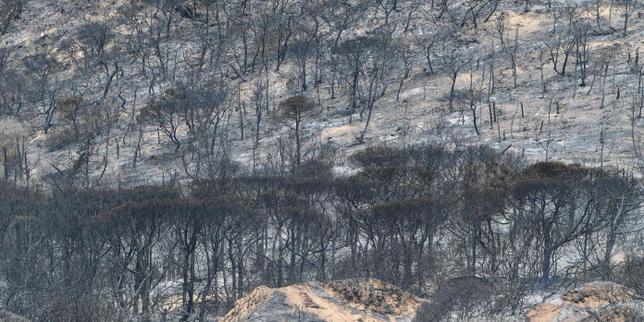
Tunisia is baking under unrelenting heat waves, with mercury levels repeatedly soaring toward 50°C during peak summer months. It isn't just uncomfortable anymore. It's dangerous.
When extreme heat hits the North African nation, the consequences ripple across every layer of daily life. The national power grid strain leads to widespread rolling blackouts right when people need air conditioning the most. Agricultural sectors, already struggling with prolonged drought conditions across North Africa, face devastating crop losses. Water scarcity transitions from a seasonal concern to an existential crisis for regional municipalities and rural farming communities alike.
Extreme Heat Breaks Daily Routines and Local Economies
Extreme temperatures near 50°C fundamentally alter how a society operates. Daily business slows down sharply during peak afternoon hours. Outdoor workers face hazardous conditions, prompting health authorities to issue urgent warnings regarding heatstroke and severe dehydration.
The energy infrastructure bears the immediate brunt. Electricity demand spikes as households and commercial properties run cooling units at maximum capacity. According to data from national energy providers, peak demand frequently triggers emergency load shedding to prevent total grid collapse. These power cuts leave neighborhoods without refrigeration or fans in the middle of severe heat waves.
Water distribution networks face parallel pressures. High temperatures accelerate evaporation rates in primary reservoirs, while consumer demand surges. In rural agricultural zones, dry conditions destroy olive groves and grain yields, directly impacting local food security and farm incomes.
The Broader Impact Across North Africa
Tunisia isn't facing this crisis in isolation. The wider Mediterranean region regularly records anomalous temperature spikes that climate researchers link to shifting atmospheric patterns and long-term global warming trends. The Mediterranean basin is warming significantly faster than the global average.
Reports from the Intergovernmental Panel on Climate Change (IPCC) consistently highlight North Africa as a primary hotspot for climate vulnerability. The combination of rising mean temperatures, reduced annual rainfall, and urban heat island effects creates severe stress on municipal infrastructure built for milder historical climates.
Public health services feel the immediate impact. Emergency rooms report elevated visits for heat-induced cardiovascular stress, respiratory distress, and severe dehydration—particularly among elderly populations and outdoor manual laborers. Local municipalities are forced to deploy emergency water tankers and set up designated public cooling zones, though resources remain constrained.
Practical Steps to Navigate Severe Heat Events
Handling extreme heat requires immediate short-term safety measures alongside deliberate long-term infrastructure adaptation.
For individuals facing high-heat conditions:
- Limit direct exposure to sunlight between 11:00 AM and 4:00 PM when solar radiation peaks.
- Prioritize hydration using water and electrolyte solutions while avoiding high-caffeinated drinks.
- Keep living spaces cool by shading windows during peak daylight and opening them during cooler nighttime hours.
- Monitor vulnerable neighbors, particularly the elderly and those living alone without reliable air conditioning.
For municipal planning and civic infrastructure:
- Upgrade power distribution networks to handle higher peak load capacities without widespread failures.
- Invest in water conservation technologies, including seawater desalination and wastewater recycling for agricultural use.
- Expand urban green spaces and reflective roofing to reduce localized urban heat island effects in densely populated cities.
Adapting to persistent high-temperature events requires sustained policy updates, public health readiness, and immediate improvements to utility infrastructure across the region.