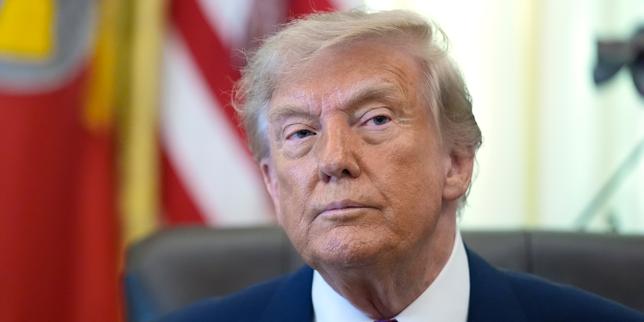
The legal ping-pong match over American elections just took another sharp turn. A federal judge decided to freeze Donald Trump's controversial executive order restricting mail-in ballots once again, throwing new uncertainty into the upcoming midterms.
If you've been following the endless courtroom drama, you know this battle is far from over. Just days after the Supreme Court gave the executive order a temporary green light, a lower court slammed the brakes right back on. It's messy, it's chaotic, and it leaves millions of voters wondering how they're actually going to cast their ballots.
The Core Conflict Behind the Decree
At the heart of this fight is a deep ideological divide over how Americans vote. Donald Trump signed the order back on March 31, aiming to impose stricter federal controls on postal voting. His administration argued that sweeping changes are necessary to secure the ballot box, pointing repeatedly to his 2020 defeat as proof that mail-in voting invites chaos.
Critics and a coalition of Democratic-led states saw it differently from day one. They rushed to court, arguing that the White House was overstepping its constitutional authority by trying to rewrite state-level election laws from the executive branch. The judiciary agreed, leading to the initial freeze by Judge Talwani.
What the Order Actually Tries to Change
The text of the decree isn't subtle. It orders agencies like the Department of Homeland Security and the Social Security Administration to build a centralized federal registry of eligible voters. From there, the U.S. Postal Service would theoretically be barred from delivering mail-in ballots to anyone not explicitly appearing on that federal database.
Proponents claim this prevents non-citizens from casting ballots. Opponents and election officials point out a massive logistical flaw: running elections has traditionally been a state responsibility, not a federal one. Forcing postal workers to act as front-line eligibility officers creates a recipe for lost votes and administrative gridlock.
The Supreme Court Detour and Immediate Aftermath
The back-and-forth reached a dizzying speed when the conservative-majority Supreme Court lifted the lower court's freeze, offering a brief victory to the White House. But that triumph lasted less than a week. Led by states like California, the legal opposition filed swift counter-motions, resulting in the fresh suspension.
Irony hasn't taken a day off in this saga either. Critics love to point out that despite his fierce rhetoric against postal voting, Donald Trump himself used a mail-in ballot to cast his vote during the Florida Republican primaries.
Where Things Stand Now for Voters
Right now, the legal system remains deadlocked on the merits of the case. Courts are wrestling with emergency stays rather than making a final ruling on constitutionality. If you are trying to figure out how these rules affect your personal voting plan, keep an eye on your local state election board. State-level regulations continue to govern how ballots are requested and processed while federal judges fight over the top-down mandates.
Expect more appeals, emergency briefs, and late-night court rulings before election day arrives. The battle lines are drawn, and neither side is backing down.