The fragile calm in the Middle East just shattered. Donald Trump made it crystal clear that Washington's patience has completely run out. After an unprovoked ballistic missile barrage targeted American positions in Jordan, the White House stopped playing defense.
You're watching a dangerous escalation unfold in real time. US Central Command didn't waste time responding, unleashing heavy waves of airstrikes across Iranian infrastructure. If you thought peace talks were going somewhere, think again. The conflict just entered a volatile new chapter.
What Triggered the Latest US Strikes on Iran
The flashpoint happened when Iran's Islamic Revolutionary Guard Corps fired ballistic missiles toward Muwaffaq Salti Air Base in Jordan. American defense systems intercepted the projectiles before they hit structural targets. Troops had mere minutes to react, relying on split-second coordination to track coordinates and deploy countermeasures.
Trump didn't mince words about the provocation. In an interview with Fox News, he made his stance brutally obvious, stating that Tehran was going to get a severe beating.
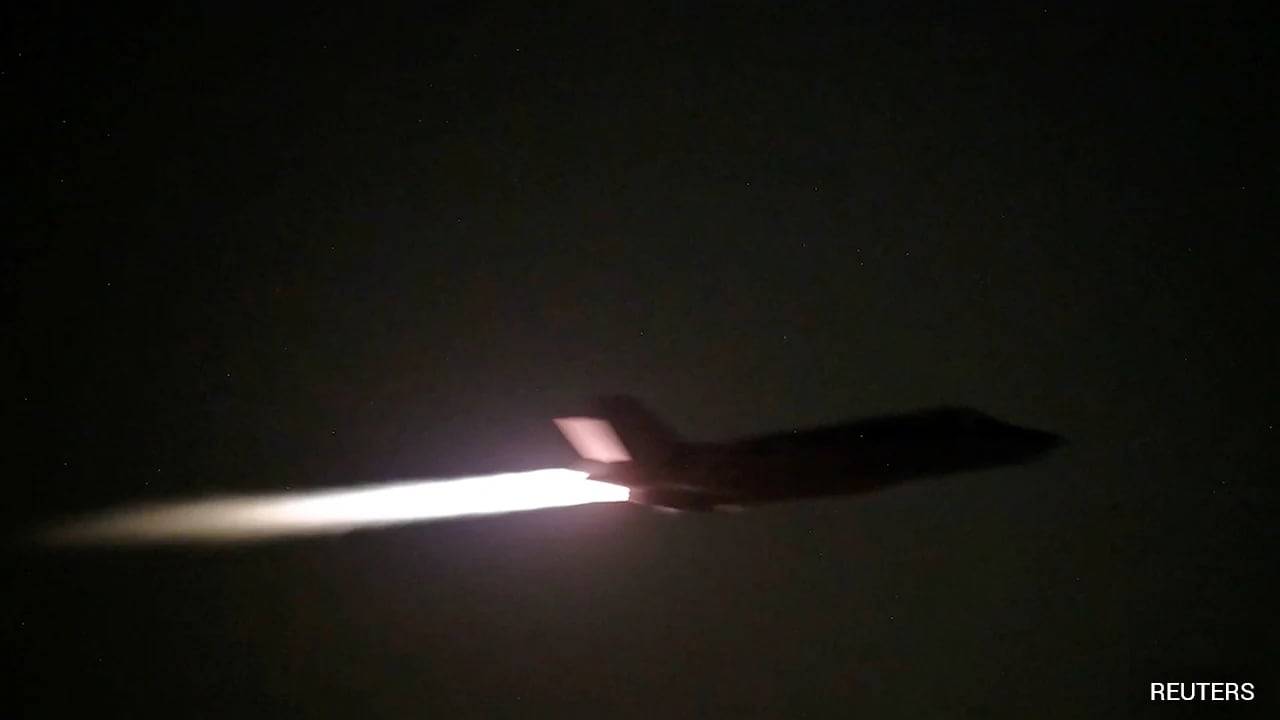
American forces launched a two-hour retaliatory assault hitting dozens of targets. CENTCOM assets targeted command centers, drone hubs, missile storage sites, and coastal defense installations belonging to the Revolutionary Guard.
Saudi Arabia Enters the Fray
This round of fighting isn't just a two-way street anymore. In a major shift, Saudi forces joined the United States to strike Iran-backed militias operating inside Iraq.
The joint operation targeted logistics hubs and weapon caches after wave after wave of drone attacks threatened regional energy assets. Regional dynamics are shifting aggressively. Gulf states are no longer sitting on the sidelines watching infrastructure get targeted without answering back.
Baghdad condemned the joint strikes as a violation of national sovereignty. At least twenty militia fighters and several Iranian advisors reportedly died in those overnight raids. Tehran's proxy network is bleeding, but they're showing zero signs of backing down.
The Energy Market Reaction and Depleted Munitions
Global markets felt the shock instantly. Brent crude prices surged as traders realized the Strait of Hormuz remains a high-risk bottleneck. Every time missiles fly in the region, energy supplies face immediate disruption.
Behind closed doors, military analysts are sweating over a different kind of shortage. Months of continuous combat have heavily drained American stockpiles of high-end interceptors. Relying on Patriot systems to swat down incoming ballistic missiles eats through expensive defense inventory at an unsustainable rate.
Diplomacy is hanging by a thread. While Washington claims a willingness to keep communication channels open, the reality on the ground is dictated by warplanes and air defense alarms.
The gloves are off. Watch the Strait of Hormuz closely over the next forty-eight hours because the next move belongs to Tehran.