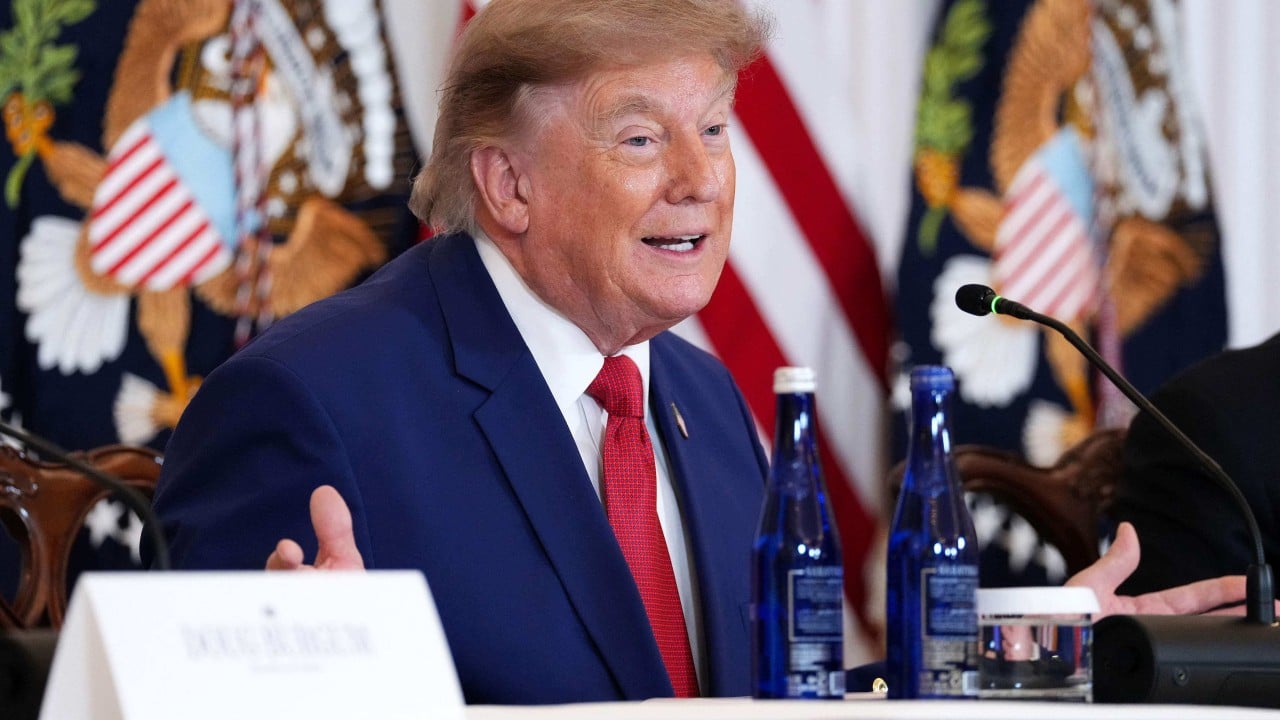
Donald Trump just changed his tune on Iran. Instead of fresh military strikes, the administration is betting that crushing inflation, empty state coffers, and a stagnant economy will force Tehran to yield.
"We are low-keying it," Trump stated in a phone interview, describing the current diplomatic standoff as a patient chess match rather than an immediate rush to war.
If you've been watching headlines bounce wildly between threats of annihilation and sudden pauses, you might wonder what changed. The reality comes down to a calculated bet on financial attrition, falling crude prices, and the ticking clock of domestic politics.
The Strategy Shift From Strikes to Squeezes
A week ago, military escalation felt right around the corner. Threats of hitting targets inside Iran dominated the news cycle. Then came the sudden pivot.
Washington realized that raw kinetic force wasn't yielding quick concessions over the critical shipping lanes in the Strait of Hormuz. Rather than doubling down on airstrikes, Trump opted to watch the numbers tick downward inside Iran.
- Inflation inside Iran sits well past 50 percent.
- The rial has cratered to record lows.
- The regime lacks the liquid cash required to reliably pay its military forces.
This is the core of the new posture. The White House is banking on the idea that internal financial pain does the heavy lifting. Tehran's economy is choking under the weight of an ongoing naval blockade and intensive sanctions targeting petrochemical exports.
The Oil Market Safety Valve
Why the sudden calm from Washington? Energy markets provide a massive clue.
When Brent crude hovered at extreme highs earlier in the year, political pressure on the administration spiked. Every jump at the gas pump translated directly into voter anger ahead of the November midterm elections.
Now, with crude retreating to around $75 to $89 per barrel depending on the benchmark, the immediate sting for American consumers has eased. Lower fuel prices give the executive branch room to breathe. When voters aren't screaming about $5 gas, a protracted standoff looks far more sustainable.
The Standoff Over the Strait of Hormuz
Despite the softer rhetorical tone, the underlying conflict remains entirely unresolved. The Strait of Hormuz—the artery carrying a fifth of global oil—remains a major point of contention.
Iran refuses to fully reopen the corridor without serious concessions. Tehran's extensive demands include:
- A total end to the naval blockade and port restrictions.
- The complete lifting of oil and financial sanctions.
- The release of frozen assets.
- Compensation for wartime damage and a full military pullback.
Meanwhile, the Iranian Revolutionary Guards have doubled down, declaring the strait a theater of war rather than a simple commercial waterway. They even floated proposals for a heavy shipping toll via backchannel talks mediated through Oman. Washington flatly rejects those tolls, leaving both sides locked in a tense contest of endurance.
What Happens Next
Trump calls it a chess game. Time will tell whose pieces run out first.
Tehran is trying to outlast Washington's patience, betting that economic disruption will eventually force the US to blink. The White House is betting that domestic discontent and hyperinflation will break the regime's resolve first.
Keep an eye on regional shipping updates and upcoming diplomatic maneuvers through Oman. That is where this standoff will actually be decided.


