Imagine sailing a commercial ship through an international waterway, only for a foreign military to show up, declare themselves the neighborhood watch, and demand a 20% cut of your cargo value just to let you pass. It sounds like something out of the 17th century. But it's happening right now in 2026.
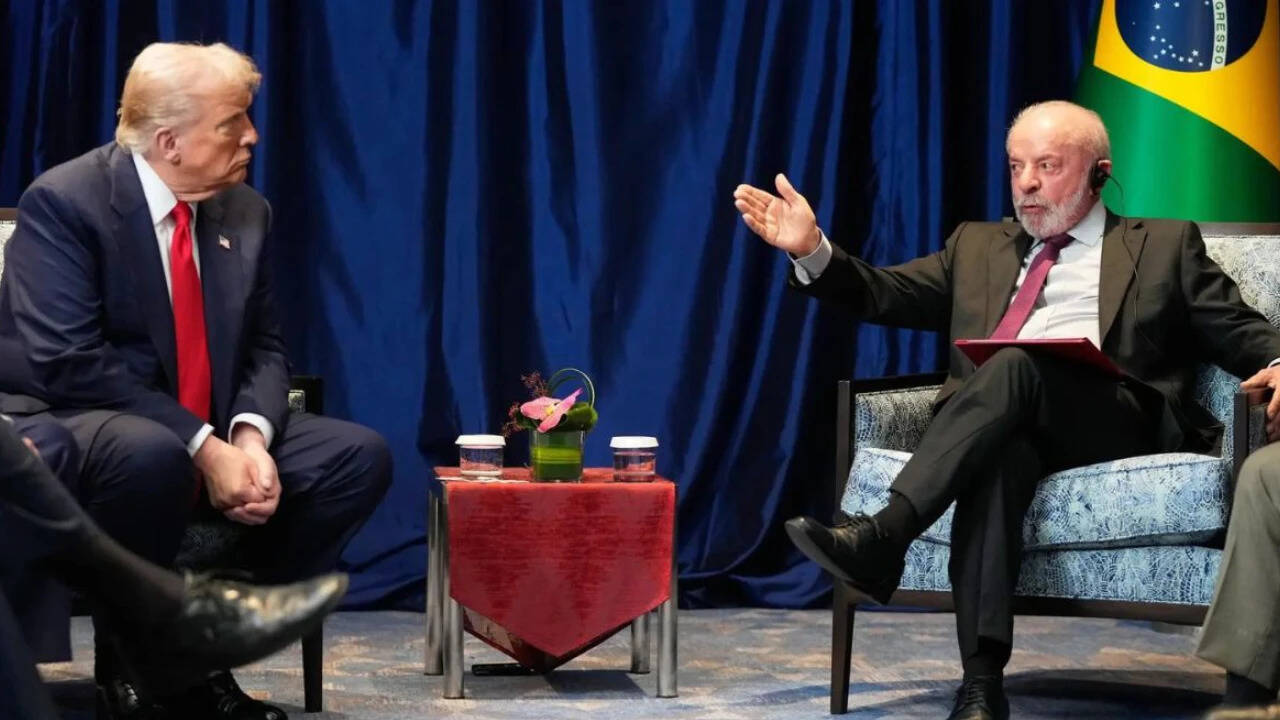
US President Donald Trump shocked the maritime world by declaring the US the self-appointed "guardian of the Hormuz Strait," announcing a 20% surcharge on cargo passing through the world's most critical energy chokepoint. The backlash was instant. Brazilian President Luiz Inácio Lula da Silva didn't mince words, calling the scheme flat-out piracy. If you found value in this post, you might want to read: this related article.
When the leader of Latin America’s largest economy openly mocks American foreign policy as state-sponsored theft, it's clear this isn't just a minor diplomatic spat. It's a massive escalation that threatens global trade routes, spikes grocery bills, and completely upends established international law.
The Real Cost of a Twenty Percent Strait of Hormuz Surcharge
Let's look at the math because the numbers are staggering. A 20% toll on a modern oil supertanker isn't a small administrative fee. It can easily top $30 million for a single transit. For another look on this development, see the recent update from The Washington Post.
Trump rolled out this plan on Truth Social, framing it as a way to reimburse the US for military operations and keeping the lane open amid ongoing conflict with Iran. For commercial shippers, though, it feels like an ultimatum. Pay up or navigate a war zone without protection.
What makes this policy shift bizarre is how sharply it contradicts Trump's own administration. Just three weeks ago, on June 23, US Secretary of State Marco Rubio publicly stated that international law prohibits any nation from levying tolls or fees on an international waterway. The United Nations’ International Maritime Organization backed this up, confirming there is absolutely no legal basis for mandatory transit fees in international straits. Yet, the White House threw its own legal arguments out the window overnight.
Why Lula is Calling Out Washington
Lula didn't hold back during a visit to a technology institute in São Paulo. "Back in the day, that used to be called piracy," Lula told reporters. He noted the deep irony of a superpower that historically fought maritime piracy turning into a pirate state itself.
For Lula, this isn't just about high-minded legal theory. It's about domestic survival. The ongoing conflict in West Asia has already sent shockwaves through global energy markets.
Every time a missile flies or a blockade is threatened in the Gulf, oil prices spike. For everyday citizens in Brazil, that means inflation. Lula directly connected Washington's military and economic maneuvers to the rising prices of basic food staples hitting kitchen tables in South America.
"The price of the war is reaching our beans, rice, and tomatoes," Lula warned.
To protect consumers from the fallout, Brazil has had to introduce emergency measures, including a 12% tax on crude oil exports to help fund domestic fuel subsidies. The sentiment from Brasilia is clear: developing nations shouldn't have to foot the bill for Washington's geopolitical gambles.
Shippers are Not Buying the Reassurances
While Trump insists the southern route through the strait is now "safe, secure, and pristine," the maritime industry is highly skeptical. A joint multinational naval advisory recently kept the threat level at "severe" due to ongoing blockade operations.
Furthermore, salvage and security experts point out a massive logistical nightmare: clearing Iranian sea mines from the area could take anywhere from 40 to 50 days once a formal ceasefire is actually honored.
Major shipping trade groups like BIMCO note that shipowners are hesitant to resume normal traffic. Before the conflict kicked off in February, roughly 135 commercial ships moved through the chokepoint daily. Right now, traffic is a tiny fraction of that. Companies want solid, legally sound guarantees, not social media proclamations and massive toll bills.
Even America's adversaries are mocking the financial logic. Iranian Foreign Minister Seyed Abbas Araghchi took to social media to scoff at the proposal, sarcastically agreeing that whoever secures the strait deserves compensation, but adding that Iran has always been its true guardian. "20% is of course too much," Araghchi wrote, "We will be fair."
Navigating the New Economic Reality
If you are managing supply chains or dealing with commodities, hoping for a quick return to cheap, predictable global shipping is a losing strategy. State-level unpredictability is the new normal.
To hedge against this volatile maritime environment, businesses must audit their supply chain exposure to major chokepoints like Hormuz, Malacca, and the Suez Canal. Diversifying supplier locations away from high-conflict zones is no longer optional. It's a necessity. Companies should also explore longer-term contract locking with freight forwarders to shield themselves from sudden 20% tariff shocks or emergency war-risk insurance premiums. Expect global freight rates to remain unstable as long as major world powers treat international waters as private toll roads.