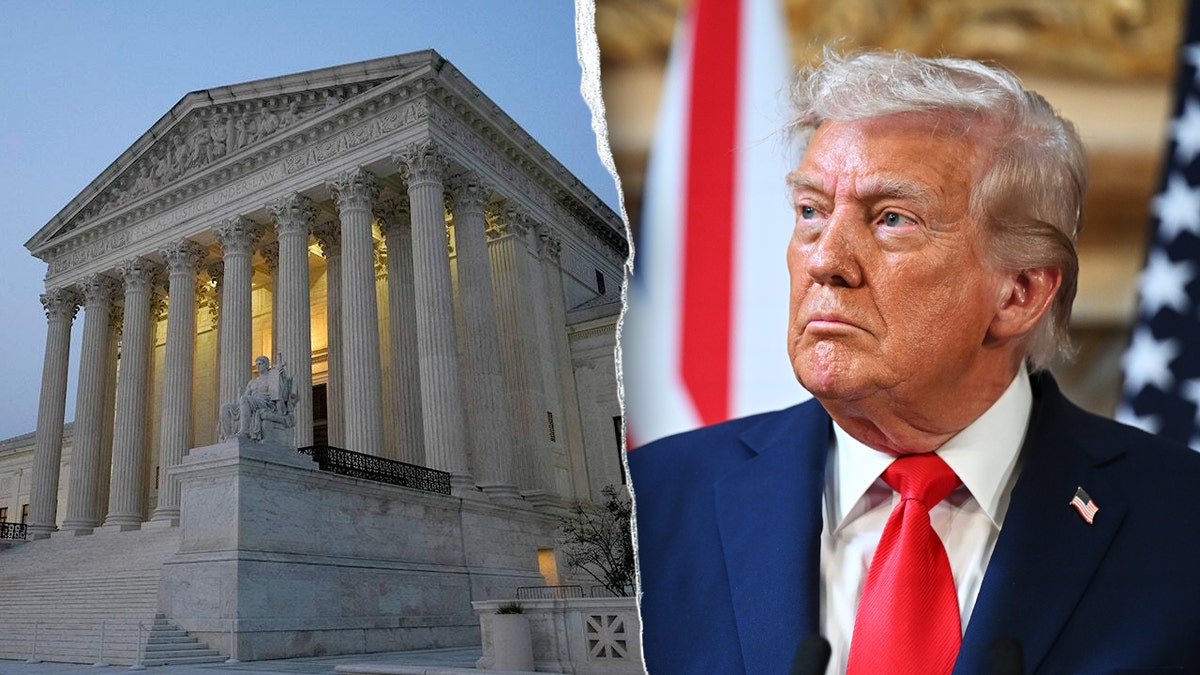
Presidents don't own the White House, but Donald Trump is currently treating it like a personal construction site. Historic preservation groups, ethics watchdogs, and dozens of lawmakers are asking the U.S. Supreme Court to step in and put a permanent halt to the massive, multi-million-dollar ballroom project eating up the grounds.
The core issue isn't just about architecture or the destruction of the historic East Wing. It is about raw constitutional power. Who actually holds the keys to federal spending and public property? Trump’s legal team insists the executive branch can alter the presidential residence however it sees fit. Critics argue that ignoring Congress to build a vanity project funded by private donors crosses a dangerous line.
The Fight Over Presidential Overreach
The legal battle escalated after a divided federal appeals court ruled that the administration lacked the unilateral authority to move forward without congressional approval. The Trump administration quickly rushed to the Supreme Court with an emergency request to keep construction rolling.
Lawyers for the National Trust for Historic Preservation fired back with a 48-page filing warning that the structure is being built out of nuclear power plant-grade concrete designed to be virtually impossible to deconstruct. They argue that allowing work to continue creates an irreversible change before the courts can even rule on its legality.
Meanwhile, lawmakers like House Minority Leader Hakeem Jeffries along with good-government groups filed briefs pointing out a glaring constitutional conflict. The Constitution gives Congress the power of the purse. Bypassing lawmakers to erect a 90,000-square-foot facility using hundreds of millions in private funds opens the door to serious ethics issues. When corporations awarded billions in government contracts help fund a presidential renovation, the appearance of pay-to-play politics is hard to ignore.
Shifting Arguments from Luxury to National Security
The administration originally pitched the $400 million project as a practical fix for the large tents traditionally used for state dinners. But as the legal pressure mounted, the justification shifted dramatically.
Administration officials and national security leaders started emphasizing an integrated underground military complex sitting directly beneath the proposed ballroom footprint. Trump argued that the upper ballroom structure and the lower security bunker are an inseparable package deal required to defend the White House against modern threats like drone strikes.
Lower courts managed to parse that distinction. Judges previously drew a line allowing work on underground security infrastructure to continue while putting a strict freeze on the aboveground ballroom itself. Trump's team wants the Supreme Court to erase that distinction entirely and let crews finish the job.
What Happens Next
The Supreme Court faces a tight deadline to decide whether to let the lower court injunction take effect or grant the administration's emergency stay. If the high court refuses to intervene, construction must stop immediately unless Congress steps up to pass an explicit authorization.
Given how fiercely contested executive power has become, this dispute will shape the boundaries of presidential authority for years to come. Watch the court's docket closely this week because the outcome will determine whether a president can unilaterally remake the people's house without asking permission first.