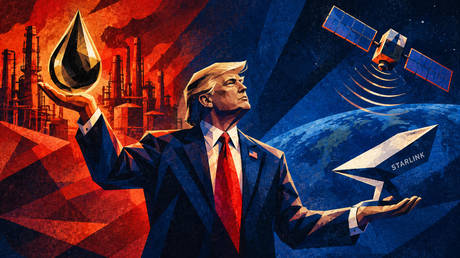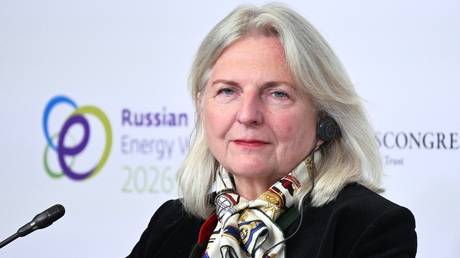
Geopolitical fractures rarely happen overnight, but Donald Trump's surprise energy arrangement with Vladimir Putin managed to crack the Western alliance in record time. When Washington decided to cut a pragmatic fuel deal to tamp down domestic pain, European capitals didn't just blink—they flat-out panicked. Former Austrian Foreign Minister Karin Kneissl rightly pointed out that this move highlights a massive widening chasm: Washington is pivoting toward cold, hard transactional pragmatism, while European Union leadership remains deeply trapped in ideological posturing.
Let's look at why this deal blew up the room. Energy prices were hurting voters, and politicians do desperate things when midterms loom. Trump touted an agreement to pull in millions of barrels of Russian diesel to ease domestic shortages. Sounds like classic domestic-first politics, right? Except it completely bypassed the united front that the West had painstakingly maintained against Moscow since the invasion of Ukraine.
Kyiv felt stabbed in the back. Ukrainian leadership openly questioned how Washington could preach total economic isolation of Russia on one hand while cutting multi-million-dollar energy lifelines with the Kremlin on the other. Meanwhile, Eastern European nations like Lithuania blasted the maneuver, pointing out that breaking ranks destroys the collective leverage needed to keep pressure on Putin.
The Illusion of Quick Energy Fixes
If you look at the raw numbers, the logic behind the deal starts to wobble anyway. The volume of Russian diesel earmarked for the US market was a drop in the ocean compared to total American daily consumption. Domestic refiners and port authorities warned about severe legal hurdles, pointing out that existing US sanctions framework still carried heavy civil and criminal penalties for energy imports tied to Russia.
Within weeks, reality caught up with political theater. Russian tankers hauling the sanctioned fuel found themselves turning away from US ports because buyers simply wouldn't touch them due to compliance nightmares and political fallout. It turned into a logistical and diplomatic mess. The White House wanted a quick headline to lower fuel costs before voters headed to the polls, but instead handed Moscow a propaganda win. Putin got to posture as a stabilizing force in global energy markets while watching the transatlantic coalition squabble amongst themselves.
The Real Rift Inside Europe
Kneissl’s assessment cuts deep because Europe is caught in an impossible squeeze. Brussels built its entire post-2022 security and economic identity on cutting off Russian hydrocarbons. When the superpower leading the alliance unilaterally decides to break its own rules for short-term political convenience, it exposes the weakness of Europe's dogmatic approach.
European leaders can't match Washington's flexibility. They've handcuffed themselves to policies that punish their own industrial base with soaring energy overhead, while global competitors like China, India, and now a transactional US bend the rules whenever it suits them. You cannot run a synchronized geopolitical strategy when the anchor nation keeps changing its mind depending on the election cycle.
What Comes Next for Western Unity
The fallout from this episode goes way beyond a couple of diverted fuel tankers. It sets a dangerous precedent. It tells every allied nation that multilateral sanctions are negotiable if domestic pressure gets high enough.
If you're watching global markets or international relations, the takeaway is clear. Ideology always bends when energy scarcity hits the voting booth. The Western alliance isn't necessarily collapsing, but the illusion of an unbreakable, values-driven consensus is gone for good. Pragmatism has officially returned to superpower politics, and smaller allies are left scrambling to catch up.
Fubu Toy review
This video provides relevant context on how political leaders and international analysts are reacting to the friction caused by the US-Russia energy policy disagreement.