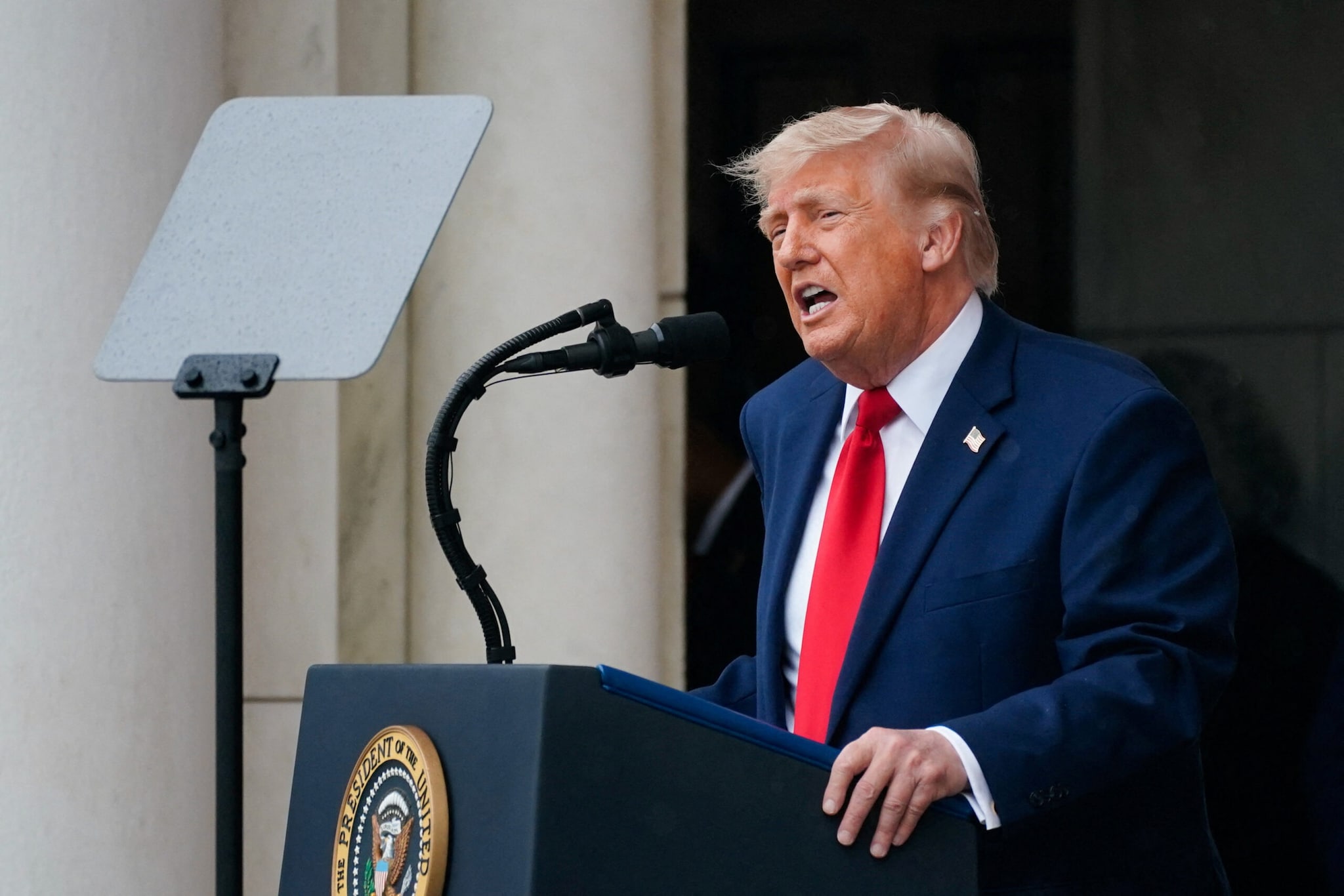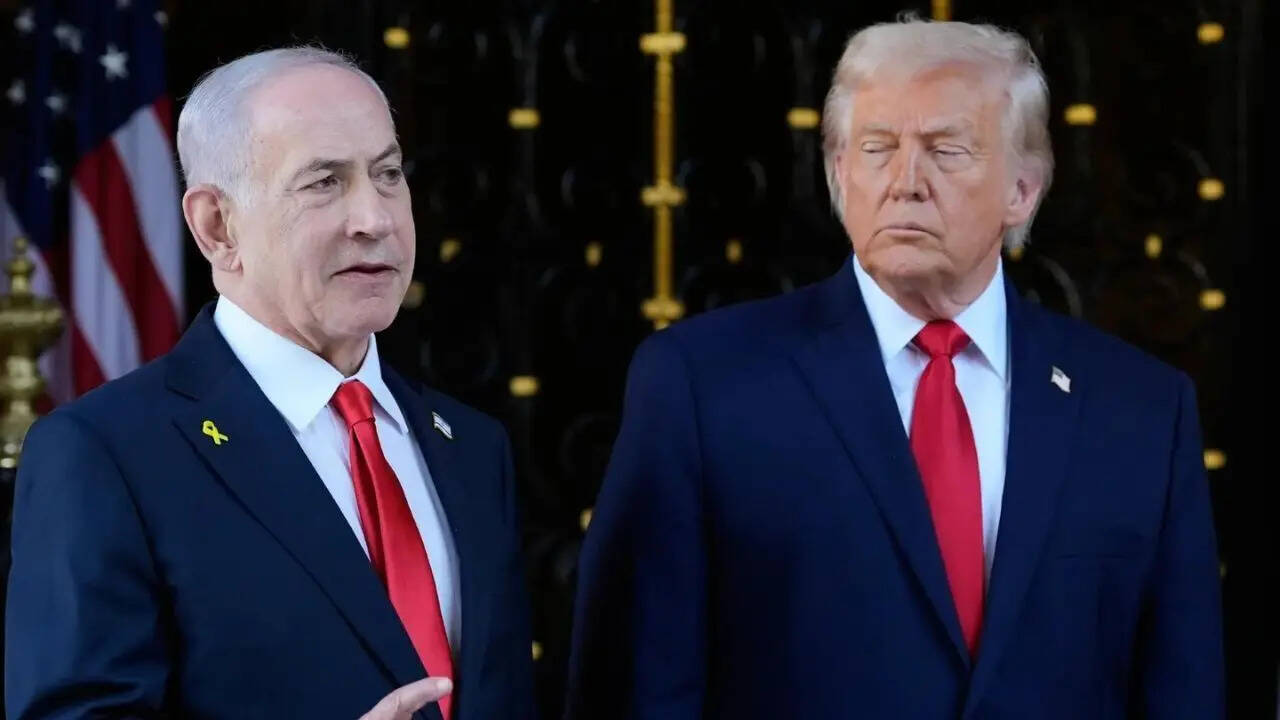
Donald Trump just admitted he called Benjamin Netanyahu "fucking crazy" during a tense phone call.
The leak originally came from Axios, pointing to an expletive-laden meltdown on Monday where the US President allegedly yelled at the Israeli Prime Minister, demanding an immediate halt to escalating strikes in Lebanon. For 48 hours, Israeli officials played defense, calling the reports exaggerated. Then Trump went on the "Pod Force One" podcast with Miranda Devine and confirmed the whole thing.
"I did," Trump said when asked about the blowup. "I wouldn't say angry. I was a little bit perturbed that it's constantly fighting with Lebanon."
This isn't just a case of two massive egos bumping heads. It's a fundamental clash over global security, economic survival, and a high-stakes diplomatic gamble with Iran that could reshape the entire Middle East. Trump wants a deal with Tehran to end the war, stabilize global oil markets, and secure a win before the upcoming midterm elections. Netanyahu, meanwhile, sees an existential need to completely dismantle Hezbollah next door.
Here is what's really happening behind the scenes and why this partnership is fracturing at the worst possible moment.
The Friction Over the Iran Peace Talks
Trump's frustration boils down to timing. The White House has been pushing a delicate, US-brokered diplomatic effort to lock down a permanent truce with Iran. The war, now in its fourth month following the joint US-Israeli strikes on Iran back in late February, has choked shipping lanes and kept the critical Strait of Hormuz blocked.
Higher energy prices and economic ripples are putting severe pressure on the administration. Trump needs the Strait of Hormuz open. While he noted it's unlikely to stay blocked through the Labor Day holiday on September 7, the clock is ticking.
The problem? Iran is using the Lebanon conflict as leverage. Tehran has explicitly conditioned any progress on nuclear and peace negotiations on a comprehensive truce in Lebanon. Every time Israel prepares a massive bombing campaign against Hezbollah targets in Beirut, Iran threatens to walk away from the negotiating table entirely.
According to Axios sources, Trump came to Monday's call convinced that Netanyahu was completely out of control and about to launch strikes that would kill countless civilians and permanently torch the peace talks. Trump reportedly steamrolled the prime minister, telling him, "Everybody hates Israel because of this," and even reminding Netanyahu of his ongoing domestic legal troubles by claiming he'd be in prison if the US hadn't demanded a presidential pardon for him back home.
Two Wartime Leaders with Different Playbooks
Despite the harsh words, both leaders are trying to spin this as standard operating procedure for a high-pressure alliance. Trump rationalized the explosive tone by pointing out their respective political realities.
"I'm a wartime president," Trump said. "He's a wartime prime minister."
Netanyahu quickly went on CNBC to downplay the rift, calling the blowout a mere "tactical disagreement" between close friends. He emphasized that they still share the same core objectives, specifically the complete disarmament and demilitarization of Lebanon.
But their actual strategies are completely misaligned.
- The Trump Strategy: Secure a rapid regional settlement, stop the economic bleeding from blocked energy corridors, and use maximum pressure to force Iran’s new Supreme Leader, Mojtaba Khamenei, into signing a restrictive nuclear deal.
- The Netanyahu Strategy: Exploit the current geopolitical momentum to neutralize Hezbollah for good, refusing to pull Israeli troops from southern Lebanese villages until the militant group is completely disarmed.
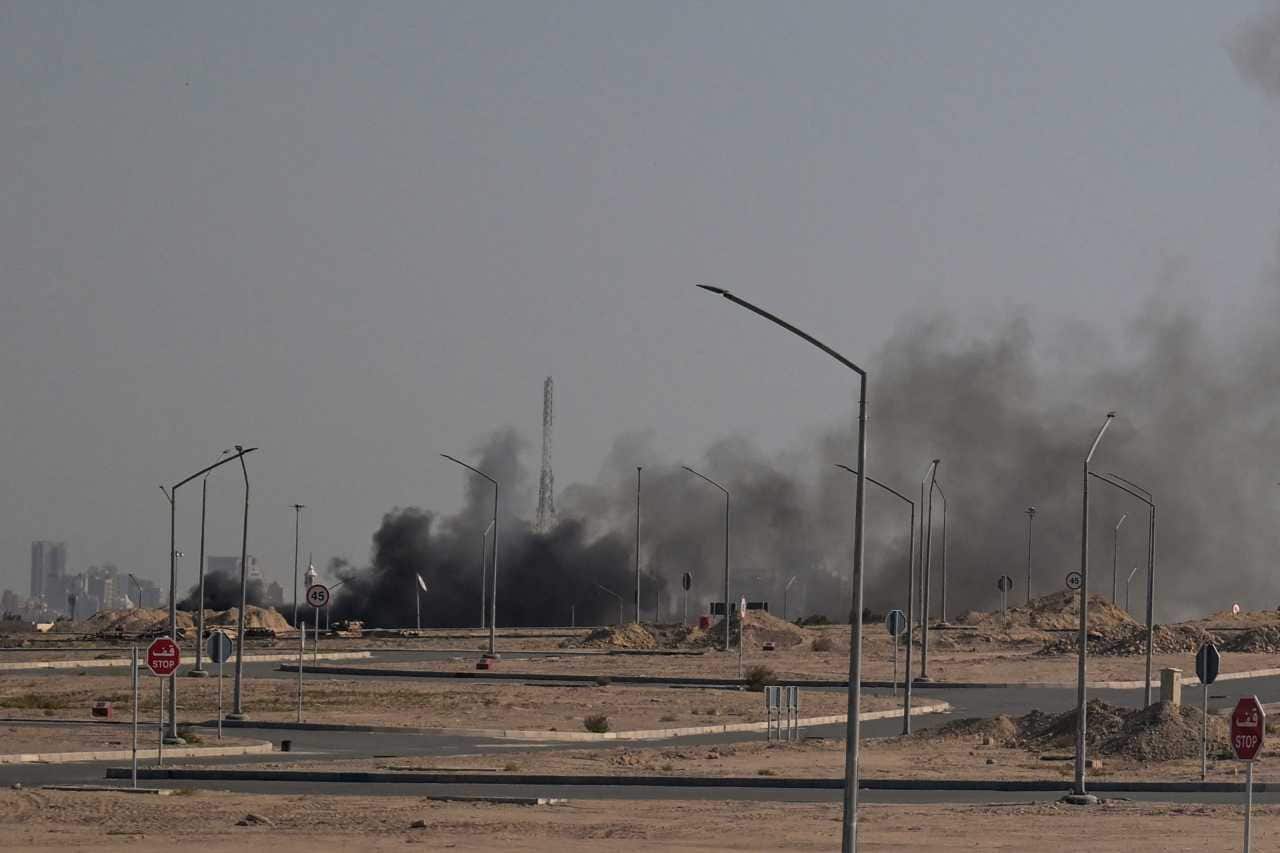
The fragility of the situation was laid bare on Wednesday. Just hours after Israel and Lebanon agreed to a nominal, US-mediated framework to spare central Beirut from heavy bombing, an Israeli strike targeted a vehicle on a major highway in Khaldeh, just south of the capital. Shortly after, Iranian-backed drones hit a passenger terminal at Kuwait's main airport, killing one person and temporarily halting flights. The regional powder keg is still burning, and Trump believes Netanyahu is the one holding the match.
What This Means for the Alliance
Don't expect a public divorce just yet. Netanyahu still calls Trump "the greatest friend that Israel has ever had in the White House," and Trump routinely reminds listeners that "if there wasn't me, there would be no Israel." They need each other too much to completely sever ties.
However, the days of Washington giving Israel a blank check for regional military operations are temporarily on hold. Trump is hyper-focused on securing his legacy via a grand bargain with Iran, and he won't let America's primary regional ally derail it.
If you want to understand where the regional conflict goes next, stop looking at the battlefields in southern Lebanon and start watching the diplomatic progress in Washington. Netanyahu has shown he will push the envelope as far as possible, but when the White House explicitly threatens to pull its diplomatic and legal shield, even Jerusalem has to pause. Expect a heavily monitored, fragile status quo where Israel calibrates its strikes just enough to keep Trump from losing his temper again, while Trump continues trying to force an erratic Iranian leadership to the signing table.