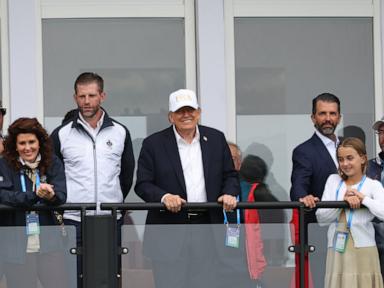
The intersection of family wealth and executive power always draws scrutiny. When the adult children of a sitting president dive headfirst into sectors fueled by federal budgets, people notice. Donald Trump Jr. and Eric Trump have found themselves at the center of a roaring debate over investments, defense contracting, and the boundaries of public office.
Critics point to a surge of financial backing in tech, drones, and manufacturing startups that later secured lucrative business with the Department of Defense. Defenders counter that these are standard private equity movements handled through blind trusts and third-party managers. Let's break down what is actually happening beneath the political noise.
The Shift Toward Defense and Tech Ventures
Over recent cycles, the investment profiles of Donald Trump Jr. and Eric Trump expanded into high-tech manufacturing, robotics, and aerospace components. Firms linked to their networks or specialized venture funds began capturing headlines as defense spending shifted gears.
Startups dealing in interceptor drones, rocket propulsion, and advanced computing hardware suddenly became magnets for attention. Entities like Powerus and various tech-focused startups found themselves navigating a rapidly expanding military procurement market.
The core friction point involves timing. When companies backed by presidential relatives land government agreements or substantial funding chunks shortly after entering a portfolio, watchdog groups sound alarms. Ethics watchdogs argue that the optics alone create an appearance of preferential treatment, even if every legal box is checked.
Separation Lines and Financial Structures
The Trump Organization and associated representatives have repeatedly emphasized that the president maintains separation from these commercial choices. Assets are structured to distance the commander-in-chief from day-to-day corporate decisions.
According to official statements, the sons act as private investors through venture groups like American Ventures or boutique financial networks, operating independently of executive branch directives. Representatives maintain that ordinary investment activities shouldn't be reframed as administrative corruption.
Yet, political opponents remain unconvinced. Lawmakers on Capitol Hill have repeatedly called for deeper investigations into how federal grants and awards are distributed, pointing to specific firms that scaled rapidly after receiving family-backed capital injections.
Why This Dynamic Matters for Public Trust
Government procurement is a multi-billion-dollar machine. When high-profile names attach themselves to entities vying for defense dollars, market dynamics shift. Investors watch where political figures place their capital, often leading to speculative surges in small-cap defense stocks.
This creates a structural dilemma. In modern politics, the line between personal wealth generation and public service gets blurrier by the day. Whether through crypto holdings, real estate, or venture capital in military hardware, family members of powerful politicians possess unique access to networks that ordinary founders never touch.
Transparency remains the ultimate shield against accusations of misconduct. As oversight committees demand tighter disclosure rules, the debate over presidential family investments will likely define political ethics debates for years to come. Clean lines between governance and private enrichment require absolute clarity, and the public has every right to scrutinize where every tax dollar flows.