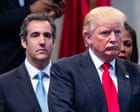
Politics makes strange bedfellows, but few twists rival Donald Trump stating he would actually consider a pardon for Michael Cohen.
Just a couple of years ago, Cohen was the ultimate insider turned enemy number one. His testimony helped secure a 2024 conviction on 34 felony counts of falsifying business records in New York. Now? The political winds have shifted violently. Trump told reporters that if everything checks out, a pardon for his former fixer is on the table. You might also find this connected coverage insightful: The Structural Breakdown of Yemen Escalation Metrics and Strategic Attrition.
Let's break down why this sudden about-face happened, what it means for the remaining legal fallout, and why nobody saw it coming.
The Shift From Bitter Enemies to Public Praise
For years, the narrative was fixed. Cohen went to prison in 2018 for tax evasion, campaign finance violations tied to hush-money payments, and lying to Congress. He flipped on his former boss, wrote tell-all books, and hosted podcasts dedicated entirely to taking Trump down. Trump labeled him a rat and a liar. As reported in detailed reports by The New York Times, the results are notable.
Everything flipped when Cohen publicly expressed that he felt pressured and coerced by prosecutors during the investigation. While Cohen later clarified that his core historical statements were factual, the shift in tone was enough to catch Trump's attention.
Trump took to social media to thank Cohen for having the wisdom and courage to step forward. He called it an act of bravery. That public praise laid the groundwork for the inevitable question from the press pool: would Trump actually pardon him?
His response was classic Trump. He expressed surprise that nobody had asked him before, claiming that what prosecutors put Cohen through was a disgrace.
What a Michael Cohen Pardon Actually Entails
If you are wondering whether a presidential pardon would wipe out everything, the reality is more complicated. Federal pardons only apply to federal offenses. Cohen's 2018 guilty plea included federal crimes like tax fraud and campaign finance violations handled by the Southern District of New York. Those are the charges where executive clemency carries weight.
State-level convictions are an entirely different beast. A president holds zero constitutional authority to pardon state crimes. Even so, Trump signaling openness to clemency changes the psychological and media dynamics of the entire saga. It signals a willingness to bury old hatchets if it serves a broader narrative about overzealous prosecution.
Critics argue this is pure political theatre. Supporters view it as an olive branch and a recognition of systemic overreach.
The Bigger Picture For Legal Fallout
You have to look at the timing. This conversation isn't happening in a vacuum. Trump's legal team has continuously pushed to terminate and dismiss any remaining remnants of what they term politically weaponized cases. By highlighting Cohen's recent statements about feeling pressured by the justice system, the defense gets fresh ammunition to attack the integrity of past proceedings.
Cohen himself has expressed mixed feelings about whether a pardon will actually materialize. He knows how volatile political alliances can be. Yet, the fact that the door is cracked open at all shows how quickly long-standing grudges can take a backseat to current strategic goals.
Keep an eye on how federal paperwork moves or stalls in the coming months. Words in front of reporters are cheap, but official executive action carries permanent weight. For now, the old fixer and the former president are closer to common ground than anyone predicted.