Thirty-one lives vanished into the freezing waters of the English Channel on November 24, 2021. Now, fourteen men stand in a Paris courtroom facing charges that could lock them away for decades. This is not just another legal proceeding. It is a harsh reckoning over the multi-million-dollar smuggling networks that treat human desperation like a high-profit logistics business.
If you've followed the migration crisis in Europe, you know the numbers. Thousands cram into flimsy rubber dinghies every year trying to reach British shores from northern France. But the capsizing of that single overcrowded vessel remains the worst recorded maritime disaster of its kind in the Channel. Let's break down what's actually happening in this landmark trial and why it matters right now.
Inside the Courtroom and the Charges
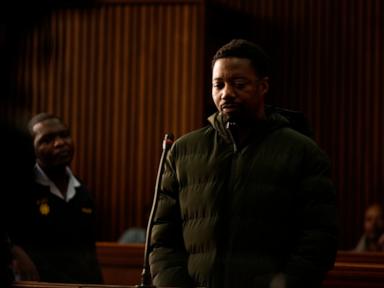
Fourteen individuals, mostly born in Afghanistan and Iraq, are on trial in Paris. Prosecutors aren't just targeting low-level foot soldiers. The accused include alleged organizers, local transporters, and logistics coordinators who managed the camps around Calais and Grande-Synthe.
The charges are heavy. They include involuntary manslaughter, facilitating illegal immigration as part of an organized gang, and criminal conspiracy. Two defendants are being tried in absentia, facing active arrest warrants.
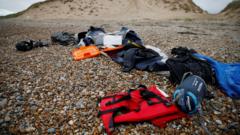
Prosecutors argue that these men deliberately placed paying passengers onto an uncertified, completely unseaworthy boat devoid of proper lifejackets. Phone records, GPS tracking, and witness testimony place the suspects directly at the departure points. Yet, defense lawyers point out a messy reality. Many of the accused claim they were migrants themselves, forced into roles or simply trying to make the crossing alongside everyone else.
The Deadly Chain of Failures
The trial isn't just about the smugglers who sold tickets to doom. It's shining a harsh light on emergency response systems that failed completely on that autumn night.
Survivors recall making roughly a dozen desperate calls for help as their rubber boat took on water. The dinghy slowly deflated over several hours. People slipped into the dark sea one by one.
It took nearly twelve hours from the first distress call for the vessel to be found, ultimately spotted by a French fishing boat near British waters. A separate investigation continues into French military personnel and maritime rescue coordinators accused of failing to help people in danger. Meanwhile, a separate British inquiry found that chronic staff shortages and systemic failures meant the tragedy would have been avoidable if authorities had acted immediately.
Families of the victims have traveled from Erbil in Iraqi Kurdistan to witness the legal proceedings. They want real accountability. They want to know why thirty-one human beings—including a seven-year-old girl, seven women, and two teenagers—were left to drown while rescue teams debated jurisdiction.
What Comes Next for Channel Crossings
Trials like this expose the structural rot behind modern human smuggling. Criminal networks adapt faster than border policies. They exploit desperate populations, charging thousands of euros for passage on death traps while insulated kingpins stay safely ashore.
Border policies change by the season, and political rhetoric shifts daily. Yet, the human toll remains staggering. Holding fourteen men accountable in Paris marks a rare step toward criminalizing the supply chain of these crossings.
True justice requires looking past the immediate suspects to examine systemic failures across international borders. Until rescue coordination and intelligence operations target the top tiers of these smuggling rings, similar tragedies will haunt the coastline.
The court sessions in Paris are scheduled to run through the end of September. Watch the verdicts closely. They will set a powerful precedent for how European courts prosecute those who profit from maritime disasters.
Accused people smugglers go on trial over deadly Channel accident
This video provides a concise overview of the fourteen individuals standing trial in France for the tragic 2021 small-boat disaster in the English Channel.
http://googleusercontent.com/youtube_content/1