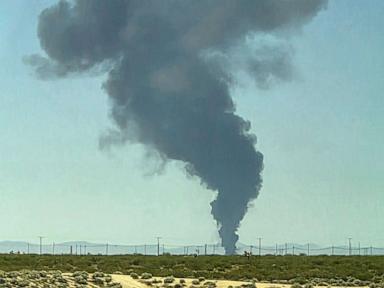
The catastrophic loss of a Boeing B-52 Stratofortress at Edwards Air Force Base on Monday hits hard. All eight people on board died when the massive bomber slammed back down into the runway almost immediately after taking off. This is the deadliest B-52 accident since 1982, shattering a decade of relatively clean flight safety records for this specific airframe.
When an aircraft designed to stay airborne for over 30 hours drops like a stone seconds after lifting off, it forces hard questions. Aviation safety experts point directly to major control issues or massive technical failure. Military test flights are inherently dangerous, but you don't expect a foundational piece of American air power to fall right out of the sky on a clear day.
The immediate answers aren't coming anytime soon. The Air Force noted it could take up to six months to complete a full investigation. We don't have time to wait half a year to look at what this means for the aging fleet.
What Happened in the Skies Over the Mojave Desert
The timeline of the crash is brief and brutal. Around 11:20 a.m. local time, the B-52 took off heading southwest into the prevailing winds on a 15,000-foot runway. According to corrected radar and tracking data from AirNav Systems, the plane flew straight, barely gained altitude, and crashed almost immediately. It came down about halfway down the very same runway it used for takeoff.
There was no long flight. There was no three-minute climb or desperate attempt to turn back. The compact wreckage field shows the jet plummeted sharply, bursting into a massive fireball that burned through the night. Col. James Hayes, deputy commander for the 412th Test Wing at Edwards, confirmed that video footage made it instantly clear the crash was completely unsurvivable.
The victims included a mix of uniformed military personnel, government civilians, and defense contractors. Aerospace giant Boeing confirmed two of its employees were among the dead. While official names are largely withheld pending family notifications, family members like Lauren Smith have come forward, confirming her husband Jeromy Smith, a dedicated flight test engineer for the Department of Defense, perished in the disaster.
The High Risk of Testing Modern Gear on Cold War Metal
This wasn't a standard training mission. The specific B-52 involved was acting as a testbed for the Air Force's massive radar modernization program. In late 2025, this aircraft became the first to receive a new Active Electronically Scanned Array (AESA) radar system. Throughout 2026, a specialized team had been pushing the plane through intensive ground and flight tests to clear the technology for the rest of the fleet.
Aviation safety experts like Jeff Guzzetti, a former investigator for the FAA and NTSB, point out that major changes to an aircraft create new, hidden vectors for failure. Guzzetti publicly noted that the rapid descent implies a total loss of control. That could stem from several nightmare scenarios:
- The flight control systems were rigged incorrectly during intense maintenance overhauls.
- A catastrophic engine failure occurred right at the critical point of takeoff.
- The newly integrated testing equipment or its heavy power draw directly compromised the aircraft's core systems.
Consider the physical reality of a B-52. It has eight engines. You might think losing an engine or two wouldn't be fatal on takeoff. But retired Marine Corps colonel and airline pilot J. Joseph points out that if a pilot loses the outboard engines suddenly, it creates a massive imbalance known as asymmetric thrust. If this happens right as the plane leaves the ground, the aerodynamic forces twist the plane violently. Without enough altitude or time to pull back the remaining throttles, recovery is physically impossible.
The True Cost of Keeping Eighty Year Old Planes in Service
The U.S. military relies heavily on the B-52. It makes up more than 50% of America's strategic bomber force. The Pentagon plans to keep these massive airframes flying until at least 2050, which means we will have pilots flying 90-year-old planes into combat zones.
To pull that off, the Air Force is executing a sweeping series of upgrades. Beyond the new AESA radar, the fleet is scheduled to receive brand-new Rolls-Royce F130 engines and entirely reworked digital cockpits. Former F16 combat pilot Heather Penney noted that while the B-52 is structurally tough, the sheer age of the components introduces the risk of structural metal fatigue that routine maintenance can miss.
We push these planes harder because the Air Force is currently the smallest and oldest it has been since its creation. With massive carrier and bomber deployments surged into the Middle East to counter threats, the pressure on maintenance crews and test wings is immense. When you jam cutting-edge electronics and heavy digital systems into an airframe built during the Eisenhower administration, you create an incredibly volatile engineering puzzle.
If you track military aviation, watch the upcoming temporary directives out of the 412th Test Wing. Over the next few weeks, expect the Air Force to quietly adjust safety protocols for all remaining B-52 test flights, particularly those involving heavy electronics testing. Investigators will likely issue preliminary maintenance bulletins regarding flight control rigging checks within thirty days to ensure a simple mechanical oversight didn't cause this tragedy.