If you woke up to news that the FDA pulled back its primary suspect in a nationwide explosive diarrhea outbreak, you aren't alone in feeling confused.
The Food and Drug Administration officially retracted its claim that a sample of Taylor Farms shredded iceberg lettuce tested positive for Cyclospora cayetanensis. The agency admitted the lab result was a "false positive," apologizing to the supplier and essentially sending the investigation right back to square one while thousands of people across the country suffer through relentless stomach bugs.
It's a bizarre regulatory mess that highlights just how hard it is to trace microscopic parasites in our food supply.
The lab test mistake that derailed an investigation
Tracing a foodborne parasite isn't like testing for E. coli or Salmonella. Bacteria can be grown and cultured rapidly in a Petri dish. Cyclospora, on the other hand, refuses to grow in laboratory cultures.
Scientists have to rely on complex molecular techniques like polymerase chain reaction (PCR) to detect tiny fragments of parasitic DNA. Over the weekend, the FDA used these hyper-sensitive screening tools on imported iceberg lettuce sourced from central Mexico. The initial read showed positive amplification.
The problem? Upon secondary review, lab experts realized the result was a false positive—the PCR process hadn't actually amplified Cyclospora DNA at all.
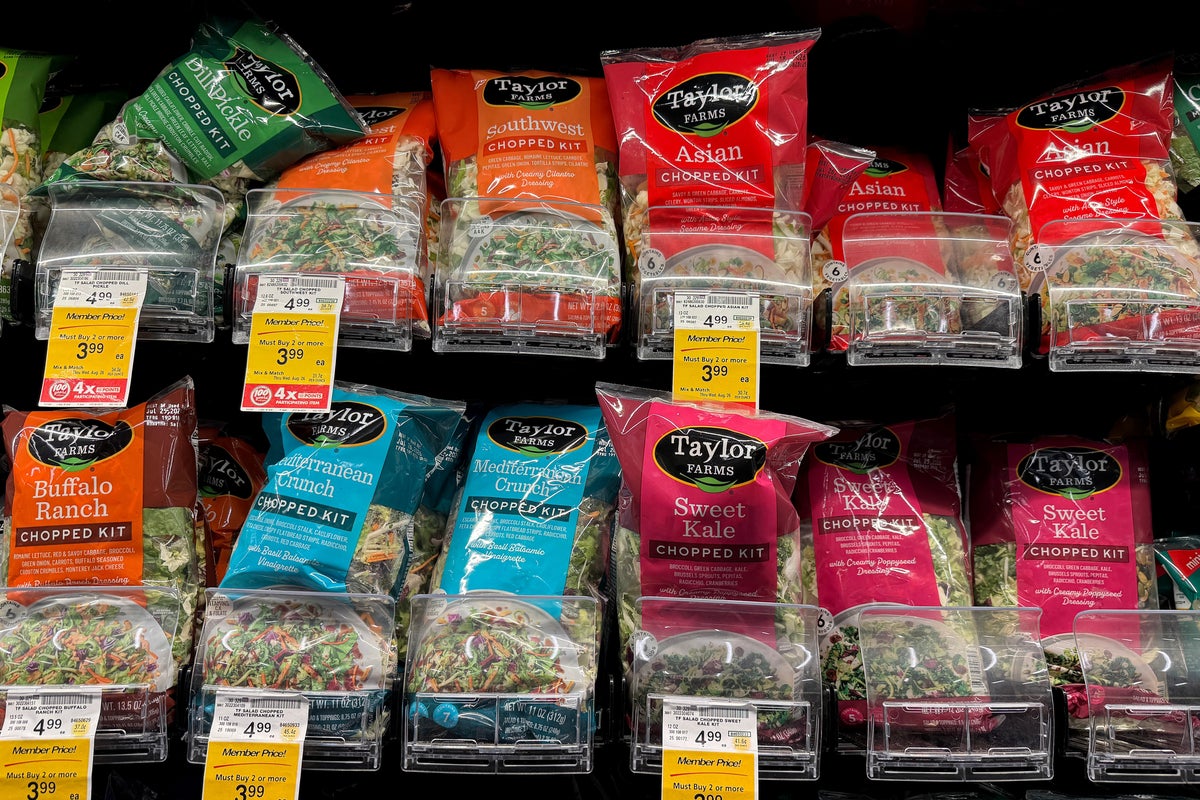
Taylor Farms had already initiated a voluntary recall across 27 states, and major retailers like Walmart pulled affected salad kits off store shelves. Taco Bell had swapped out lettuce suppliers in five Midwestern states after health officials flagged their shredded iceberg as a common thread among sick patients.
Now, the official stance from federal regulators is that there isn't a single confirmed positive product sample for Cyclospora anywhere in the country.
Thousands of cases and an invisible source
Even without a positive food sample, the human toll of this outbreak is massive.
The Centers for Disease Control and Prevention has logged thousands of cases spanning dozens of states. Michigan alone has turned into the epicentre of the outbreak, reporting over 6,000 confirmed cases and dozens of hospitalizations.
The culprit behind all this misery is Cyclospora cayetanensis, a microscopic single-celled parasite spread through food or water contaminated with human feces. Once ingested, it settles into the small intestine. What follows is a brutal gastrointestinal nightmare:
- Frequent, watery, and often explosive diarrhea
- Severe abdominal cramping and gas
- Deep fatigue and loss of appetite
- Sudden weight loss and low-grade fever
Symptoms don't pop up right away, either. It takes anywhere from two days to two weeks after eating contaminated produce for the parasite to make itself known.
That long incubation period is precisely why pinpointing the source is a nightmare. Try remembering every single leaf of lettuce, sprig of cilantro, or fresh berry you ate 12 days ago. Most people can't, which leaves epidemiologists trying to connect dots across thousands of vague dietary surveys.
Why the FDA is still focusing on produce suppliers
You might wonder why health officials don't just clear Taylor Farms and move on.
Former food safety regulators point out that in an outbreak involving short-shelf-life produce, physical testing almost always comes up empty. By the time sick people report their symptoms to public health agencies, the contaminated lot of lettuce or herbs has already been consumed or thrown away.
Epidemiological data—the overlap in where sick people ate and what they ordered—remains a core pillar of outbreak investigations. Because hundreds of people who tested positive for Cyclospora ate at Taco Bell locations served by the same distribution channels, investigators aren't taking Taylor Farms off their radar entirely, even without physical lab confirmation.
At the same time, the FDA faces immense pressure. Announcing a false positive damages consumer trust, hurts produce growers, and leaves a nervous public wondering what is actually safe to eat.
How to protect yourself when recall warnings conflict
When regulatory agencies walk back their own findings, taking care of your health falls back on practical home habits.
Washing pre-packaged greens helps, but Cyclospora is notoriously sticky. It clings to the nooks and crannies of leafy greens, basil, cilantro, and soft berries.
If you want to minimize your risk while this outbreak gets sorted out, take these actionable steps immediately:
- Switch to whole heads of lettuce: Instead of pre-shredded or bagged salad mixes, buy intact heads of produce. Strip off the outer three or four leaves and discard them completely before washing the rest thoroughly under cold running water.
- Cook your produce where possible: High heat kills Cyclospora. Sautéing greens or cooking fresh herbs in hot dishes eliminates the parasite entirely.
- Seek targeted treatment if you get sick: Regular over-the-counter anti-diarrheal medications often fail to clear a parasitic infection. If you suffer from prolonged, watery diarrhea lasting longer than a couple of days, see a healthcare provider. Cyclospora requires specific prescription antibiotics—typically trimethoprim-sulfamethoxazole—to clear the parasite out of your digestive system.
Keep an eye on state health department updates rather than relying solely on federal press releases, as local agencies often catch case spikes days before national databases update. Throw out any recalled bagged greens currently sitting in your fridge, and stick to well-washed, whole produce until health officials find the true origin of the contamination.