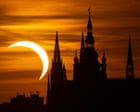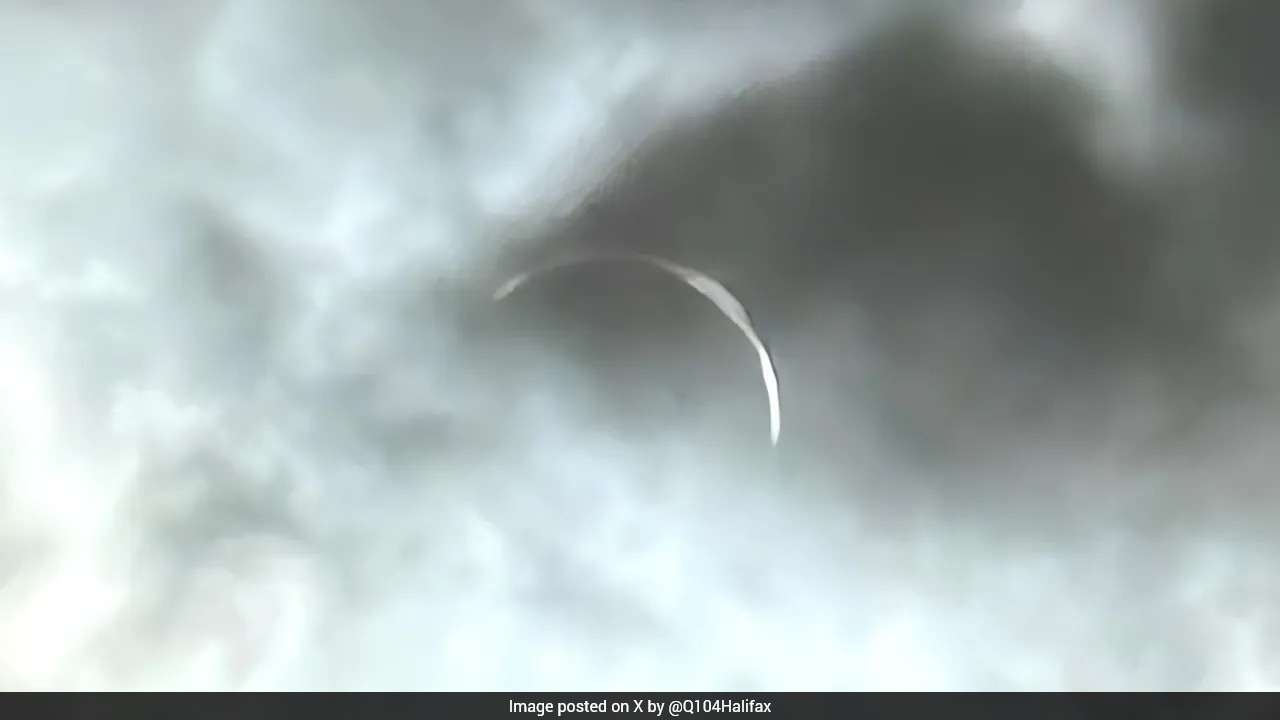
The sky goes black in the middle of a late summer afternoon. Temperatures drop sharply. Seabirds on volcanic cliffs suddenly go silent. On August 12, 2026, western Iceland plunges into sudden twilight, marking the country's first total solar eclipse in over seven decades.
If you think this is just another celestial event, you are missing the bigger picture. Most travelers treat solar eclipses like a quick fireworks show. They look up, snap a blurry photo on a smartphone, and walk away. But experiencing totality in a place defined by raw fire and ice changes the math entirely. If you liked this post, you should read: this related article.
The Logistics Nightmare Nobody Mentions
Everyone wants to see the dark sun over the land of glaciers. Very few people understand how hard it is to actually pull off.
Iceland runs on a tight infrastructure during peak tourism months. Rental cars disappear months in advance. Accommodation along the western coast and the Westfjords books out completely. If you plan to fly into Keflavík and wing it on a campervan adventure, stop right now. You will end up sleeping in a rest stop three hours outside the path of totality. For another perspective on this event, refer to the recent coverage from AFAR.
The path hits western Iceland hard, sweeping across the Snæfellsnes Peninsula, parts of the Westfjords, and Reykjavik. But duration matters. Reykjavik gets roughly one minute of totality. Drive north to the towering sea cliffs of Látrabjarg, and you get over two minutes. That extra minute changes everything from a fleeting blink to an immersive, jaw-dropping experience.
Weather Roulette on the Edge of the Arctic
Let's talk about the elephant in the room: Icelandic weather.
You can map out the precise second the moon covers the sun, but you cannot negotiate with a low-pressure Atlantic storm. Cloud cover is the ultimate enemy of eclipse chasers. Historical averages for August show heavy coastal clouds and shifting mist across western regions.
Smart travelers do not lock themselves into a single viewing spot. Rent a 4x4 vehicle, track local meteorological forecasts hour by hour on the morning of the event, and keep your schedule entirely flexible. If the Snæfellsnes Peninsula is socked in with fog, you need the mobility to pivot inland or drive north toward a clearer pocket.
Why This Eclipse Hits Different
People talk about the drop in temperature or the eerie quality of the light. Those descriptions sound poetic until you stand on black basalt sand while the horizon turns a strange, bruised orange in every direction.
Total solar eclipses happen somewhere on Earth roughly every eighteen months, but they rarely line up with landscapes as dramatic as Iceland. The last time locals saw a total solar eclipse was 1954. The next one won't happen until 2196. This is a generational window.
Protect your eyes with certified ISO 12312-2 solar filters before totality hits, but the moment the moon completely blocks the solar disk, take the glasses off. Look at the corona streaming out like white fire around a black void. Watch the horizon glow like a 360-degree sunset.
Secure your transport today, pack layers that can handle horizontal rain and sudden sunshine, and do not spend the most anticipated afternoon of the decade stuck behind a tour bus windshield.