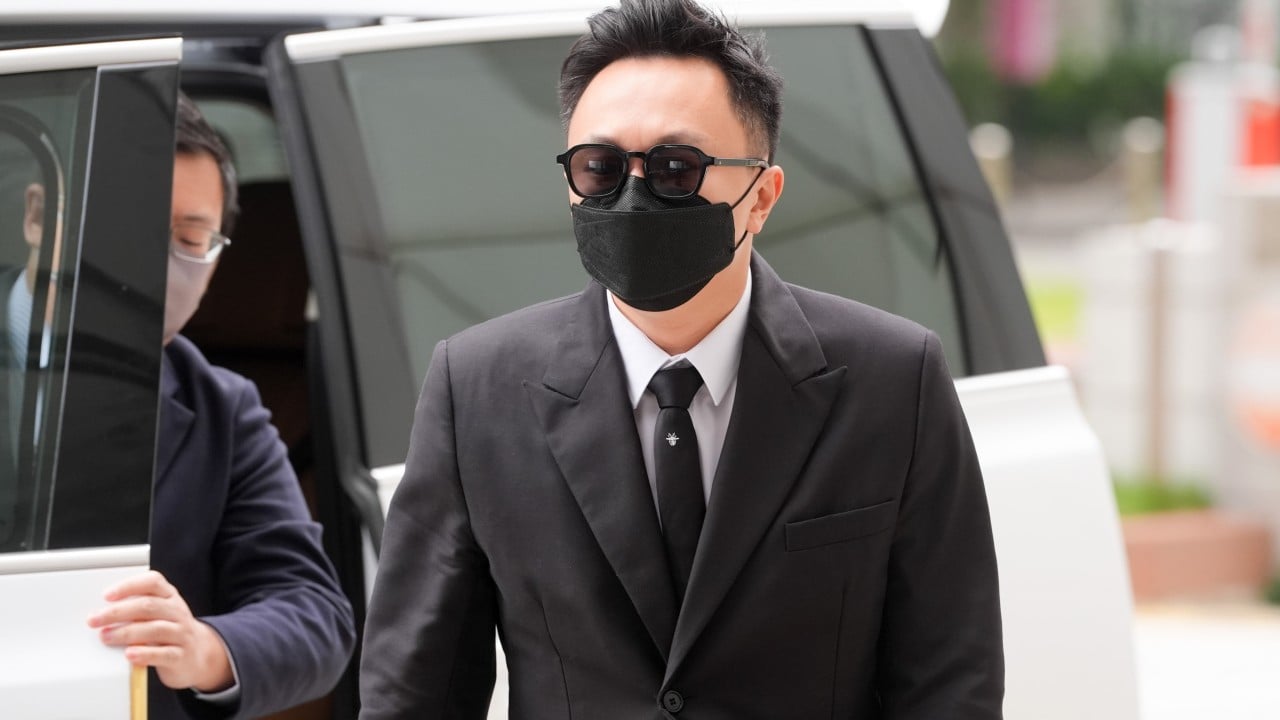
Seven seconds of compressed air from an industrial blow gun turned a factory floor in Hwaseong into a site of catastrophic internal injury. In October 2026, the Suwon District Court sentenced the metal-cleaning company owner—identified in court reporting as a man in his 60s—to three years in prison after he fired high-pressure air into the anus of a Thai worker in his 40s. Prosecutors had pushed for seven years. The judge handed down three, citing a lack of remorse and serious harm, while also convicting him of additional assault charges, including pulling another foreign worker's hair.
A headline about a South Korean boss jailed for shooting an industrial air gun into a Thai worker’s anus sounds like an isolated, bizarre shock story. Honestly, treating it that way misses the point. Compressed-air nozzles are standard gear in metal shops and factories around the world, yet people routinely underestimate how lethal pressurized air can be when aimed at human tissue. Even worse, this case lays bare the quiet leverage some employers hold over vulnerable migrant workers—especially when immigration status or deportation threats enter the picture.
What Happened in Hwaseong and Why the Court Rejected the "Prank" Defense
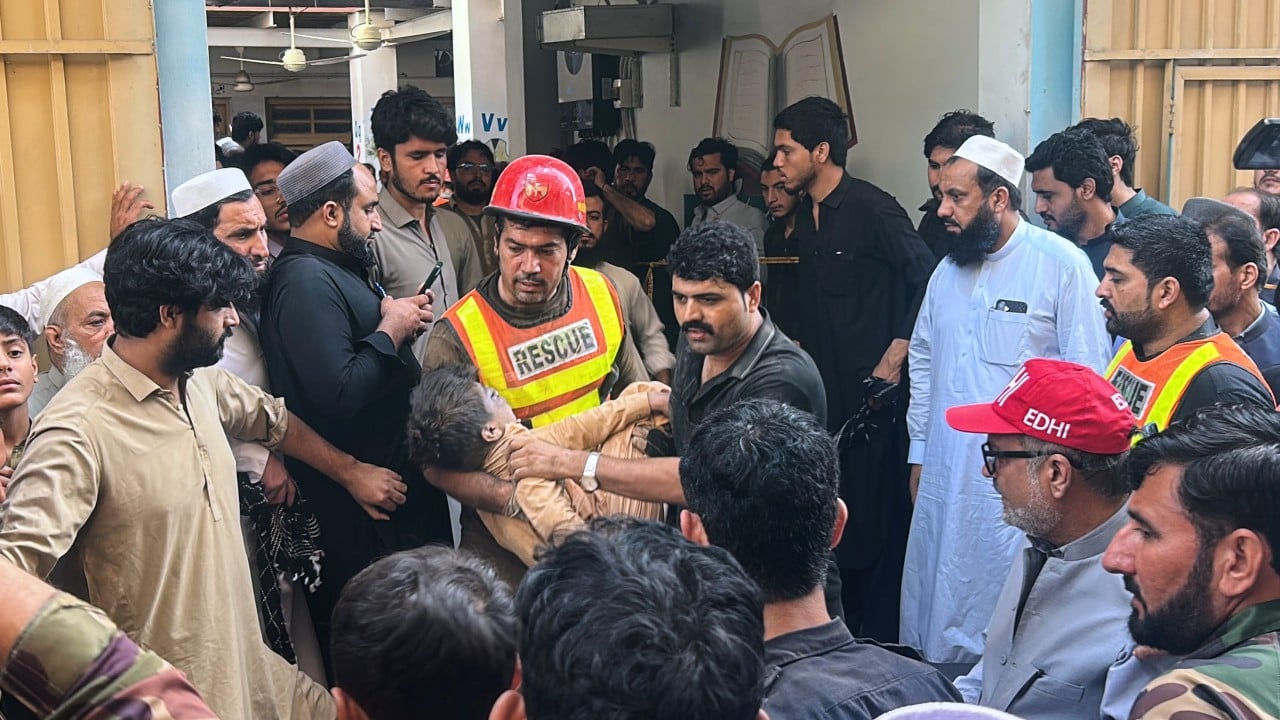
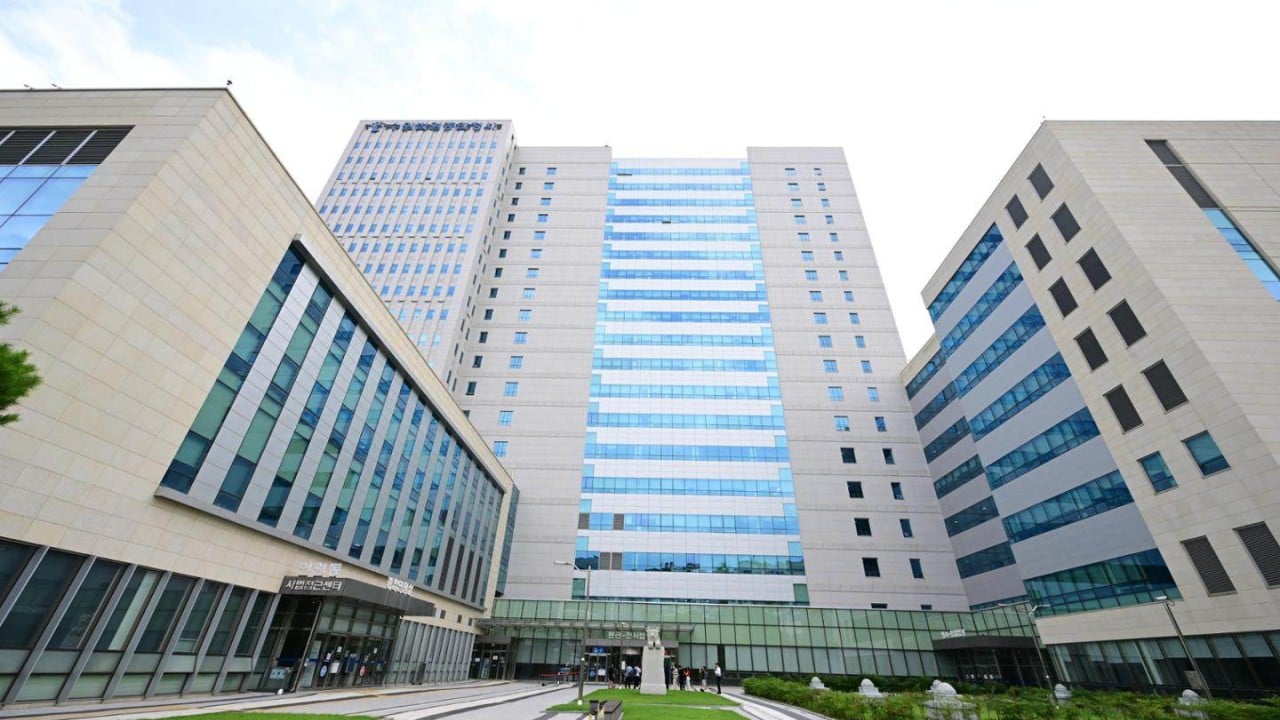
According to South Korean court reporting from October 2026, the attack happened on February 20 at a metal-cleaning factory in Hwaseong, Gyeonggi Province, roughly 60 kilometers south of Seoul. The employer inserted the nozzle of a compressed-air hose or industrial blow gun and triggered it for about seven seconds. The blast caused a traumatic rectal perforation exceeding 10 centimeters, forcing the victim to undergo emergency surgery at a hospital in Suwon.
Defense arguments that the act amounted to a mere prank didn't hold up in court. You don't hold a high-pressure industrial air tool on a vulnerable body part for seven seconds and call it harmless horseplay. Reporting also noted that the employer showed no remorse, resisted providing proper medical treatment initially, and deducted medical expenses from the worker's wages.
Charges against the owner's wife, a company director accused of intimidating the injured worker by pretending to put on handcuffs and implying he could be reported as an undocumented worker if he didn't leave the country, were dismissed. Under South Korean law, that intimidation offense could not proceed against the victim's wishes once he indicated he did not want her punished. Still, the dismissal highlights a pattern that labor advocates see far too often: fear of immigration authorities being weaponized to keep an injured worker quiet.
Compressed Air Isn't Harmless Shop-Floor Fun
If you've ever spent time around workshops, garages, or manufacturing lines, you've probably seen someone dust off sawdust or metal shavings with an air hose. People get casual around compressed air. That familiarity breeds recklessness.
Pressurized air delivered through a narrow nozzle packs serious kinetic force. When directed at sensitive openings or thin tissue, high-pressure gas can rapidly over-distend and tear internal structures, leading to perforation, internal bleeding, severe infection, and emergency abdominal surgery. Safety agencies such as the U.S. Occupational Safety and Health Administration (OSHA) have long warned against using compressed air for cleaning off clothes or horseplay around people because of the risk of severe bodily injury and embolism.
That's why calling a seven-second blast a "prank" is so dangerous. A three-year prison sentence signals that courts treat weaponized industrial tools as aggravated bodily injury, not a workplace joke. Yet judges still weigh sentencing factors carefully—prosecutors sought seven years, and the court landed on three—which shows how much gap can exist between prosecutorial requests and final sentences even in egregious cases.
Why Migrant Workers Face a Steep Uphill Battle After Abuse
Look closely at what followed the injury in the Hwaseong case: reluctance to get care, wage deductions for medical costs, and pressure to leave the country. For foreign workers in South Korea—whether on Employment Permit System (EPS) visas or in irregular status—speaking up carries real risks.
Over the past couple of years, South Korean authorities have stepped up scrutiny after high-profile abuse scandals across factories and agricultural or industrial sites. Targeted government inspections uncovered hundreds of labor violations at workplaces employing foreign nationals, leading to fines, criminal referrals, and bans on hiring foreign workers for abusive employers. In June 2026, rule changes also took effect ensuring that workers forced to leave an abusive, violent, or non-paying employer no longer lose accrued work time toward E-7-4 skilled visa pathways.
Those reforms matter. They're real progress on paper. Still, practical hurdles remain stubborn:
- Fear of deportation: Even when labor officials say filing a complaint doesn't automatically trigger a visa review, workers worried about their residency status often hesitate to step forward.
- Language and isolation: Navigating police stations, hospitals, and labor offices without fluent Korean or trusted local support is exhausting.
- Wage and medical disputes: Employers who illegally withhold pay or push medical bills onto injured workers create immediate financial pressure to accept bad deals or return home early.
What's Debatable About Accountability and Deterrence
Here's where reasonable observers split. Some argue that a three-year prison term plus convictions under the Labor Standards Act and assault provisions proves the justice system won't excuse workplace violence against foreign nationals. Others point out that prosecutors asked for seven years—more than double what the court imposed—and wonder whether shorter sentences deter small-business owners who view migrant labor as expendable.
There's also debate over how fast policy changes reach the shop floor. Expanding workplace-change protections and barring bad actors from hiring foreign workers sounds strong in policy briefings. In reality, enforcement depends on consistent inspections, accessible interpretation, and swift emergency medical access so injuries don't worsen while paperwork crawls.
Practical Steps for Workers, Managers, and Advocates
If you're a foreign worker in South Korea dealing with workplace violence, threats, or coerced wage deductions, don't just quietly pack up and disappear if you can avoid it.
- Get medical help and document everything: If you're hurt or in danger, call 119 for an ambulance or 112 for police. Keep hospital records, discharge summaries, photos, chat messages, pay stubs, and a written note of dates and witnesses.
- Reach out to dedicated support lines: Contact South Korea's Ministry of Employment and Labor counseling line at 1350, the Foreign Workforce Counseling Center at 1644-0644, or a local migrant support group before making rash moves about leaving your job.
- Separate criminal violence from labor claims: Physical assault belongs with the police, while unpaid wages, improper deductions, or workplace harassment involve labor authorities and Employment Center procedures.
If you run or supervise a facility using compressed air, treat every blow gun like a real hazard. Lock in strict shop-floor rules banning horseplay with air hoses, maintain pressure regulators properly, and make sure supervisors know that intimidating employees or withholding medical care over workplace injuries invites severe criminal and civil consequences.
South China Morning Post report on the three-year prison sentence