We love our sacred cows. The moment a politician suggests touching a monument, the clutching of pearls echoes from Georgetown to Capitol Hill. The lazy consensus says public cultural institutions are untouchable shrines of high art that must remain frozen in amber forever, regardless of functionality, cost, or structural obsolescence.
When the administration floated the idea of demolishing the Kennedy Center if court battles stall modernization plans, the mainstream press lost its mind. They framed it as cultural vandalism. They framed it as petty political retribution. They missed the entire point because they are looking at real estate through the lens of sentimentality rather than cold, hard operational reality.
I have spent two decades watching historic preservation laws strangle urban progress. Bureaucrats use heritage designations as weapons to freeze dysfunction in place. We treat poorly designed brutalist concrete blocks as the Parthenon simply because they have a plaque on the wall.
Let us dismantle the mythology right now.
The Myth of the Untouchable Monument
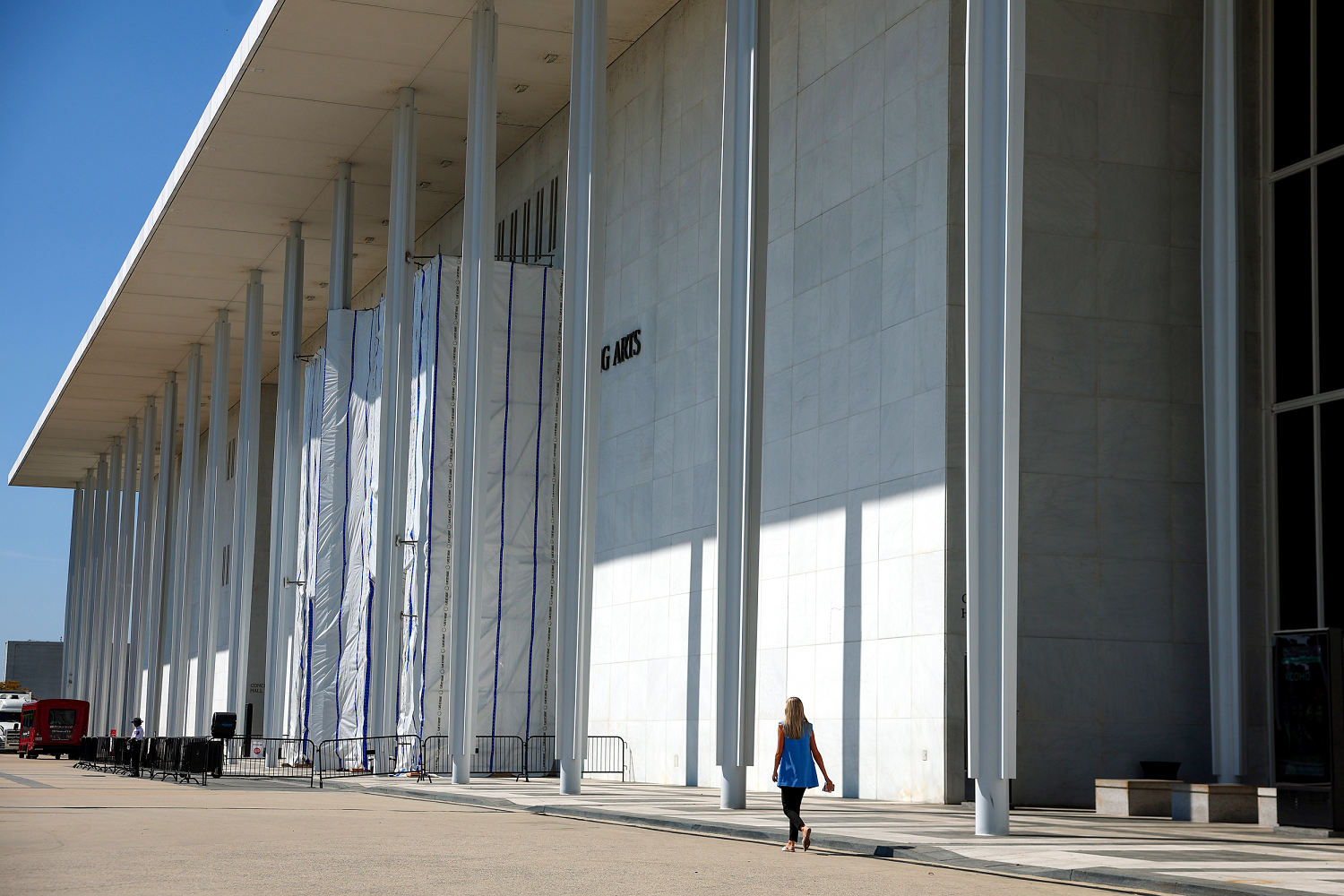
Edward D. Stone designed the Kennedy Center as a monumental tomb on the Potomac. Critics called it a parking garage with flags when it opened in 1971, and time has not been kind to its internal logic. It is an architectural fortress isolated from the city, turning its back on the river, plagued by acoustic nightmares and operational inefficiencies that bleed taxpayer money every single fiscal year.
Yet, mention the word demolition, and the commentariat acts like someone proposed paving Arlington Cemetery.
Here is what the pearl-clutchers refuse to admit: preservation without utility is just expensive taxidermy. If a building cannot adapt to modern safety standards, financial sustainability, or evolving artistic demands, it is not a cultural anchor. It is a liability.
The threat of demolition is not a fascist temper tantrum. It is a high-stakes leverage play in a stagnant bureaucracy. When courts tie up essential structural updates with endless injunctions, normal channels fail. Drastic operational paralysis requires drastic administrative signaling. If the choice is between a crumbling white elephant that drains public funds indefinitely or a clean slate that forces actual modernization, the bulldozer is the most honest architect in the room.
The Cost of Aesthetic Sentimentalism
Look at the financial ledger. Major performing arts centers require relentless capital injection to stay relevant. When legal roadblocks prevent necessary overhauls, maintenance deferred becomes maintenance denied. Costs spiral.
Imagine a scenario where a private corporate campus faced the same structural and legal gridlock. The board would gut the building or level it within six months. But because it bears a presidential name and hosts the Kennedy Center Honors, we treat it like a cathedral that cannot be touched by mortal hands.
This is where the lazy consensus collapses under its own weight. Critics argue that tearing down the complex erases history. Which history? The history of an acoustically flawed auditorium that required millions in constant acoustic band-aids? The history of a venue that isolates itself from the urban core behind vast expanses of asphalt and unfriendly approaches?
History is preserved in archives, books, and digital records. It is not locked inside brutalist poured concrete that fails to serve the artists and audiences of the twenty-first century.
The Power of the Nuclear Option
Let us be brutally honest about how Washington works. Nothing moves until you threaten the status quo with total annihilation. Routine permitting processes take decades. Environmental impact studies outlive administrations. Historical preservation boards treat every stained glass window and concrete pillar as a holy relic.
By introducing the prospect of demolition, the administration short-circuits the bureaucratic delay loop. It forces the courts, the preservationists, and the board of trustees to the negotiating table with a stark ultimatum: either find a legal pathway to execute necessary renovations, or watch the entire monument get redeveloped into something that actually serves the city.
Critics call it reckless. I call it executive leverage.
If you want a vibrant cultural district, you cannot let legal injunctions weaponize decay. You cannot allow historical preservation to become a veto mechanism for progress. Sometimes, you have to rattle the cage so violently that everyone inside is forced to wake up.
Stop mourning the concrete. Start demanding buildings that actually work.