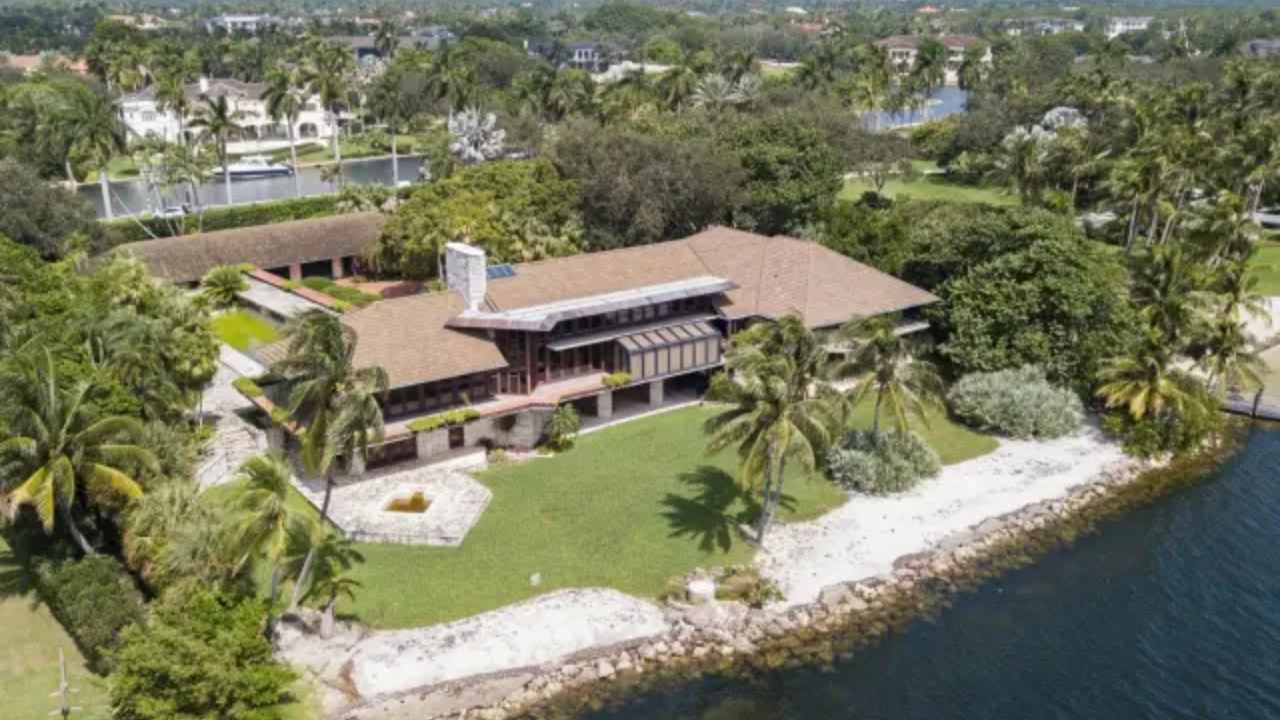
In 2023, a Texas billionaire wired thirty-six million dollars for an eleven thousand square foot mansion in an exclusive enclave. Months later, heavy machinery rolled onto the immaculate lawns and reduced the multi-million-dollar structure to dust.
This was not a construction accident. It was a calculated, deliberate act of real estate erasure that highlights a bizarre and accelerating trend among the ultra-wealthy. When nine-figure fortunes treat prime architecture as disposable packaging, the luxury housing market enters uncharted territory.
The Economics of Complete Destruction
To understand why someone would bulldoze a mansion that most people would consider a permanent dream home, you have to look past the square footage and examine land valuation metrics. At the absolute summit of wealth, the physical structure of a house is often treated as a depreciating nuisance rather than an asset.
Land scarcity in elite zip codes creates extreme price distortions. Buyers acquire properties primarily for absolute privacy, specific orientation, or perimeter security. The existing house frequently fails to match the hyper-specific architectural demands, security specifications, or aesthetic whims of the new owner.
When your net worth crosses ten figures, spending thirty-six million dollars for a building lot is merely an entry fee. Paying another five million to demolish it and start fresh is the cost of absolute customization. Standard real estate logic ceases to function when capital constraint disappears entirely.
Zoning Loopholes and Tax Architecture
The rapid teardown phenomenon relies on a complex web of local municipal codes, tax exemptions, and zoning workarounds. Historic preservation boards often stand in the way of sweeping modifications to older luxury estates.
By purchasing an existing property and filing for emergency demolition permits based on outdated structural engineering reports or alleged mold contamination, developers and family offices bypass bureaucratic hurdles. They clear the slate before neighborhood associations can organize opposition.
Furthermore, property tax structures in many premier jurisdictions incentivize raw land valuation adjustments or specific redevelopment timelines. Demolishing an older home can sometimes reset baseline assessments or pave the way for subterranean expansion projects. Mega-mansions routinely sink three or four levels underground to bypass strict neighborhood height caps and lot-line restrictions. A surface mansion of eleven thousand square feet often translates to a twenty thousand square foot subterranean compound complete with underground motor courts, bowling alleys, and panic rooms.
The Cultural Shift in Ultra Luxury
Decades ago, owning a historic estate carried immense social capital. Buyers boasted about the heritage, the famous architects who drew the blueprints, and the preservation of historical integrity.
That prestige has evaporated. Today's billionaire class values personalization over preservation. The modern status symbol is not owning what someone else built, but erasing it entirely and stamping your own uncompromised vision onto the landscape.
Architects in elite markets report an unprecedented surge in teardown commissions. Clients demand smart-home integrations, bio-secure air filtration systems, and blast-proof glass that simply cannot be retrofitted into a structure built twenty years ago. The structural bones of yesterday's luxury are fundamentally incompatible with the paranoid, tech-heavy demands of today's ultra-rich.
The Broader Market Distortion
This trend ripples far beyond the individual property lines. When multi-million-dollar homes are routinely treated as disposable scrap, it fundamentally alters neighborhood dynamics and housing availability.
Entire communities transform into rotating construction zones where multi-year projects generate continuous noise, heavy truck traffic, and neighborhood friction. Contractors pivot entirely toward bespoke, ground-up mega-projects, abandoning mid-tier residential work entirely.
The thirty-six million dollar teardown serves as a stark reminder of where modern capitalism has arrived. When wealth accumulates at such velocity that physical structures can be casually discarded like wrapping paper, the concept of home ownership diverges entirely from shelter and enters the realm of pure, unadulterated sculpture. The bulldozers will keep rolling as long as the capital keeps flowing.